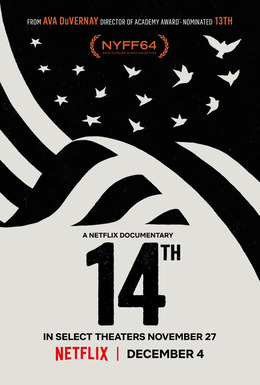
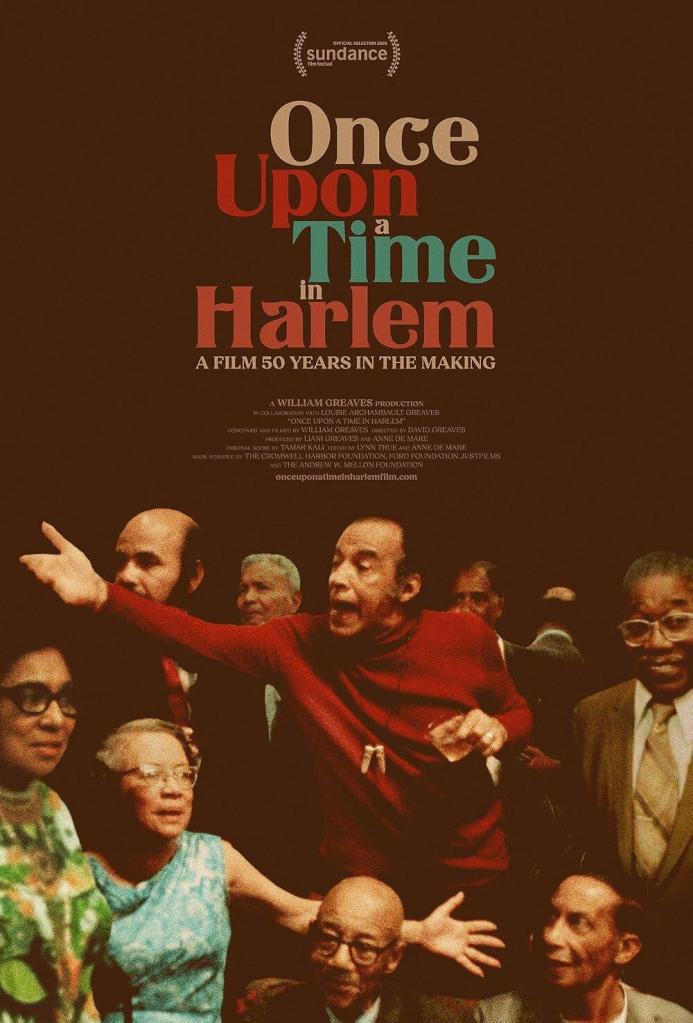
In the midst of fall film festivals in Charlottesville and Middleburg Va., I was excited to watch two new films: “Once Upon a Time in Harlem” and Ava Duvernay‘s new film “The 14th.” Both are riveting and packed with cultural and historical significance. I plan to see them again. The “Harlem” documentary was conceived and filmed by pioneering director William Greaves in 1972 and completed over 50 years later by his son, David Greaves.
Filmed over four hours in Duke Ellington’s Harlem townhouse, “Harlem” presents famous faces, names, wit, arguments, cocktails and so much smoke that it practically seeps through the screen. Just what one would expect back then in a space crammed with journalists and writers — notably Tom Poston, Gerri Major, Richard B. Moore — along with actors, musicians, artists and other luminaries such as Romare Bearden, Aaron Douglas, Richard Bruce Nugent, Eubie Blake, Arna Bontemps, James Van Der Zee, and Louise Thompson Patterson. My takeaway: The film is a gift to students of the Harlem Renaissance and for those who never heard of it.
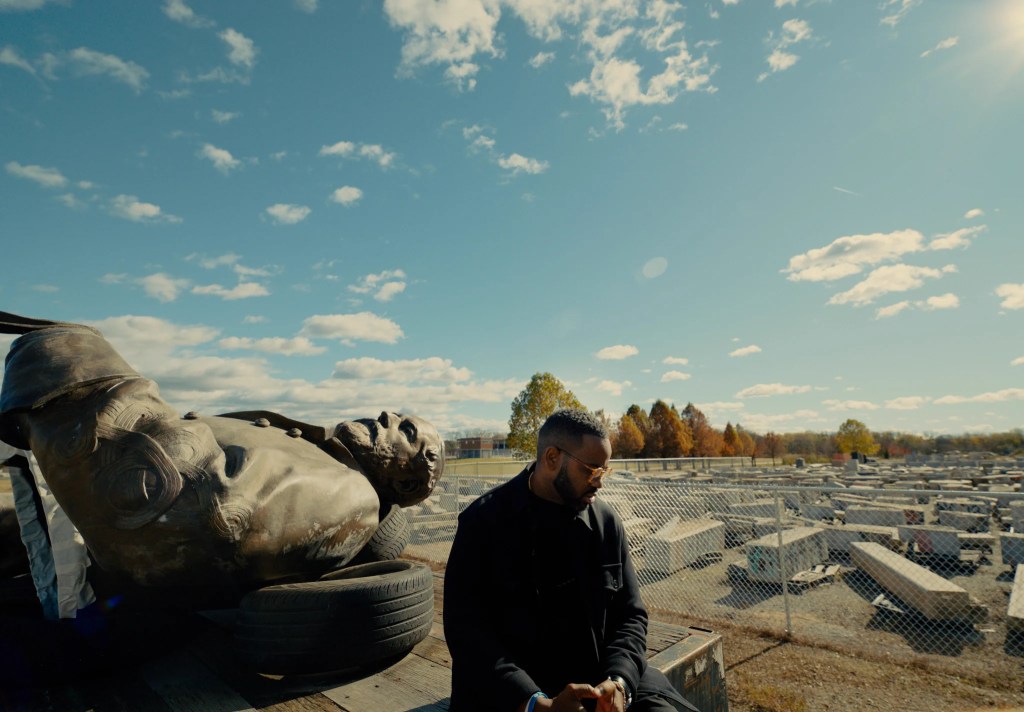
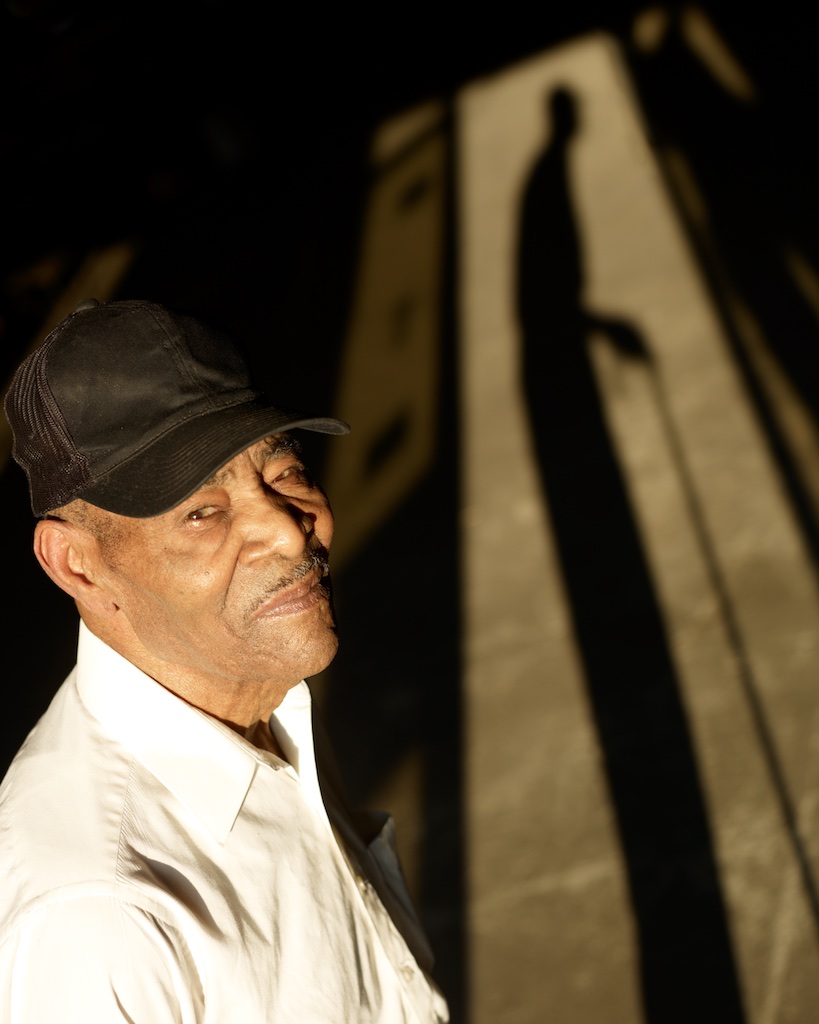
Devon Henry
Later, while viewing “The 14th”, I was stunned to see Devon Henry seated across the aisle from me! Mr. Henry, who is featured in the film, is founder of Team Henry Enterterprises. Besides his thriving business, Mr. Henry Devon Henry is also known for his company’s removal of Civil War statues and for his social activism. Ms. Duvernay’s film follows her conversations with scholars, politicians, and legal experts about the 14th Amendment. The film explores who gets to belong in America and the ongoing fight over birthright citizenship, according to IMDb.
My takeaway: While parts of “The 14th” are somewhat repetitive and an underscore in one scene plays James Brown’s “The Payback” longer and louder than I found necessary, Ava DuVernay once more delivers a powerful documentary that captures this country’s embattled course then and now.
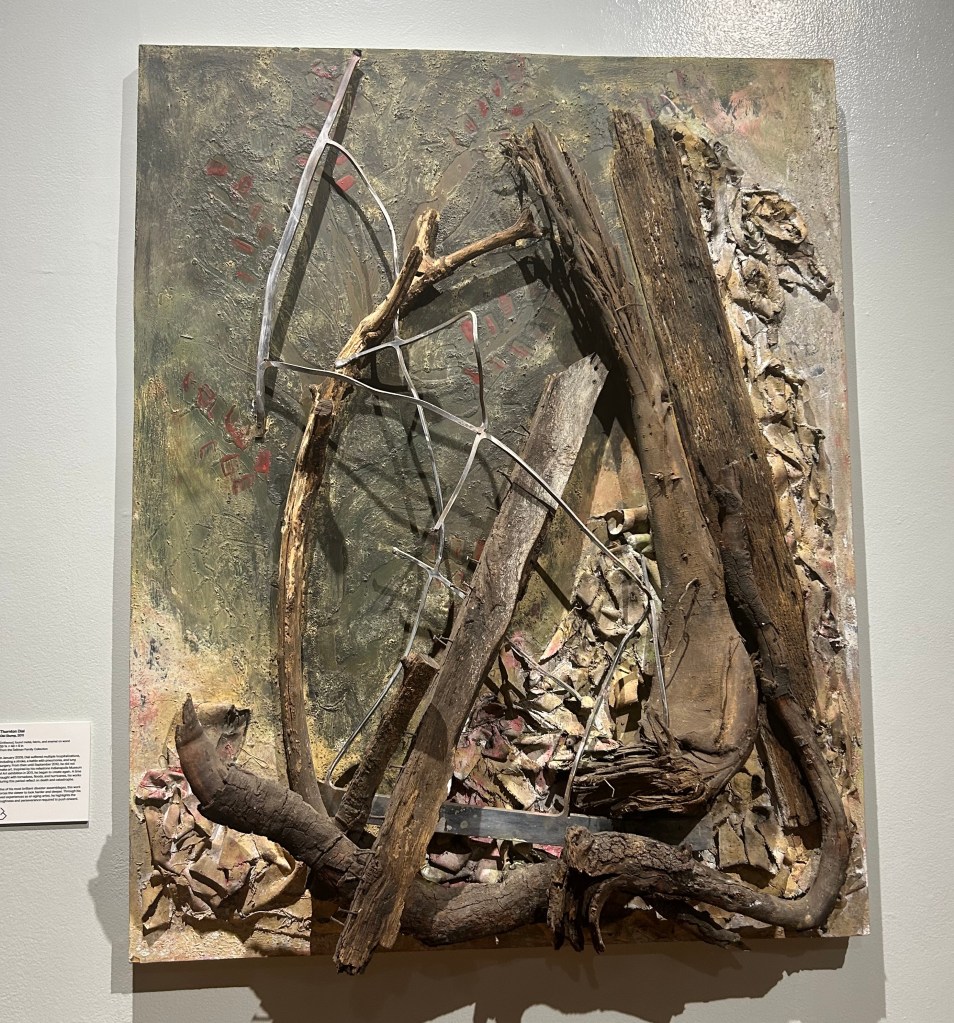
Some objects stop being useful before they stop having meaning.
Becoming explores what happens next.
Through the work of Thornton Dial and Sanford Kogan, objects once valued for their utility are reimagined as works of art that ask us to look again. At first we recognize the object. Then we see what it can become. Together, their work suggests that nothing is ever truly finished. Every object carries a history and the possibility of becoming something new.
ABOUT THE ARTISTS
Thornton Dial is one of the most original American artists of the late 20th century. He was born into poverty and spent his life in the South, working without formal training and pulling his materials from what was around him: wire, cloth, salvaged metal, rope, carpet scraps. From those materials he built large-scale paintings and found-object sculptures, drawing on the symbolic vocabulary of the rural Black South. His work is held by the Metropolitan Museum of Art, the High, and the Smithsonian.
Sanford Kogan works in FroiDesign, the discipline of Found and Repurposed Objects of Industrial Design. His work centers on objects originally shaped by their utility – industrial and functional artifacts that he incorporates into sculptural compositions. Light also plays an active role. He treats light as a material, shaping it as deliberately as form and making it integral to the overall composition. His goal is to invert the original hierarchy, allowing what was once secondary to become primary, thereby revealing the quiet aesthetics of lost utility. His work has been shown in Berlin, Paris, and, more recently, Richmond, Virginia, where he now resides.
Thornton Dial
2501 Monument Avenue
Richmond, VA 23220
(804) 655-6055
frontdesk@branchmuseum.org
Hours
Tuesday–Saturday: 10:00 AM–5:00 PM
Sunday: 1:00–5:00 PM
Monday: Closed
Hours subject to change due to private rentals.
This project was supported, in part, by the Virginia Commission for the Arts, which receives support from the Virginia General Assembly. Special thanks to Crux Scenica, Worth Higgins and Virginia Union University.
Visitor Notice: Please be aware that this exhibition features moving parts, bright flashing lights, and stroboscopic effects. These elements may not be suitable for visitors with photosensitive epilepsy, sensory sensitivities, or motion sickness.
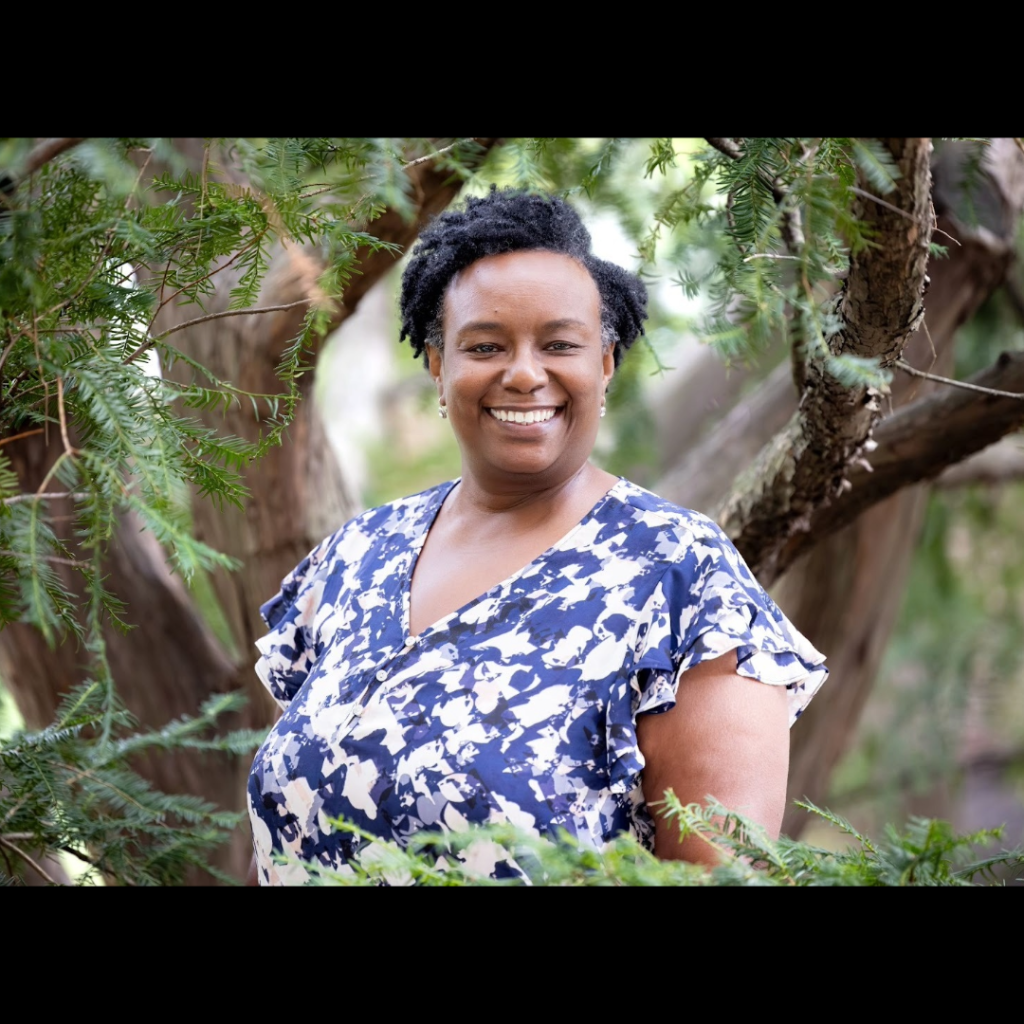
Beronda L. Montgomery, Ph.D., Virginia Commonwealth University Libraries’ 2026 Social Justice Lecturer, will discuss Gatekeeping Justice: What We Must fix to Disrupt Injustice, on Thursday Oct. 22 from 7 pm to 9 pm at the James Branch Cabell Library Lecture Hall on VCU’s campus.
Dr. Montgomery is a writer, researcher and scholar who pursues a common theme of understanding how individuals perceive, respond to and are impacted by the environments in which they exist. Specifically she will address:
* Navigating power and privilege in community and maintaining versus disrupting the status quo;
* Learning from nature (sometimes referred to as biomimicry) to solve complex problems that we face and;
* Understanding how gatekeeping impedes social justice and groundskeeping as a practice can promote system care and policies that are central to social and environmental justice.
According to the American Public Health Association, “environmental justice is the idea that all people and communities have the right to live and thrive in safe, healthy environments with equal environmental protections. …Communities affected by environmental injustices are most often composed of marginalized racial/ethnic, low-wealth, rural, immigrant/refugee, indigenous and other populations that live in areas disproportionately burdened by environmental hazards, unhealthy land uses, siting of polluting industries that release toxic and hazardous waste and systemic racism, all of which drive environmental health disparities.”
The Environmental Protection Agency defines environmental justice as “the fair treatment and meaningful involvement of all people regardless of race, color, national origin, or income, with respect to the development, implementation and enforcement of environmental laws, regulations and policies.”
Environmental justice is a public health and human rights issue. Marginalized communities are disproportionately at risk of exposure to lead, air pollution, hazardous waste and extreme heat. Environmental exposures have been linked to damaging health issues, including cancer, asthma and other respiratory diseases, cardiovascular disease, neurological diseases and developmental disabilities.The threat of climate change further exacerbates these environmental health risks.
How can our community combat these injustices and work toward achieving universal, basic human rights and the safety and well-being of all residents?
About the Speaker
Beronda L. Montgomery, Ph.D., is a writer, researcher and scholar who pursues a common theme of understanding how individuals perceive, respond to and are impacted by the environments in which they exist. Her primary laboratory-based research has been focused on the responses of photosynthetic organisms (i.e., plants and cyanobacteria) to external light cues. Additionally, she pursues this theme in the context of effective mentoring and leadership of individuals, and the role of innovative leaders in supporting success.
Montgomery received her Bachelor’s Degree in Biology from Washington University in St. Louis and her Master’s Degree in Biology from University of Central Arkansas. She then went on to complete her Ph.D.in Plant Biology in 2001 at the University of California, Davis. She later became a postdoctoral fellow in Microbial Biology at Indiana University with the support of a National Science Foundation (NSF) award.
Montgomery has spent more than 20 years as a professor and academic administrator at Michigan State University and Grinnell College, serving as Vice President for Academic Affairs and Dean of the College from July 2022 through July 2024, Dr. Montgomery is a current faculty member in the Biology Department at Grinnell College.
Lessons from Plants explores how plants sense, adapt to and thrive in their surroundings. The book connects plant behavior to human life, showing how lessons in growth, community, and response to stress can guide human self-awareness, social systems, and mentorship.
This event is free and open to the public, registration is required to reserve a seat or receive the live stream link.
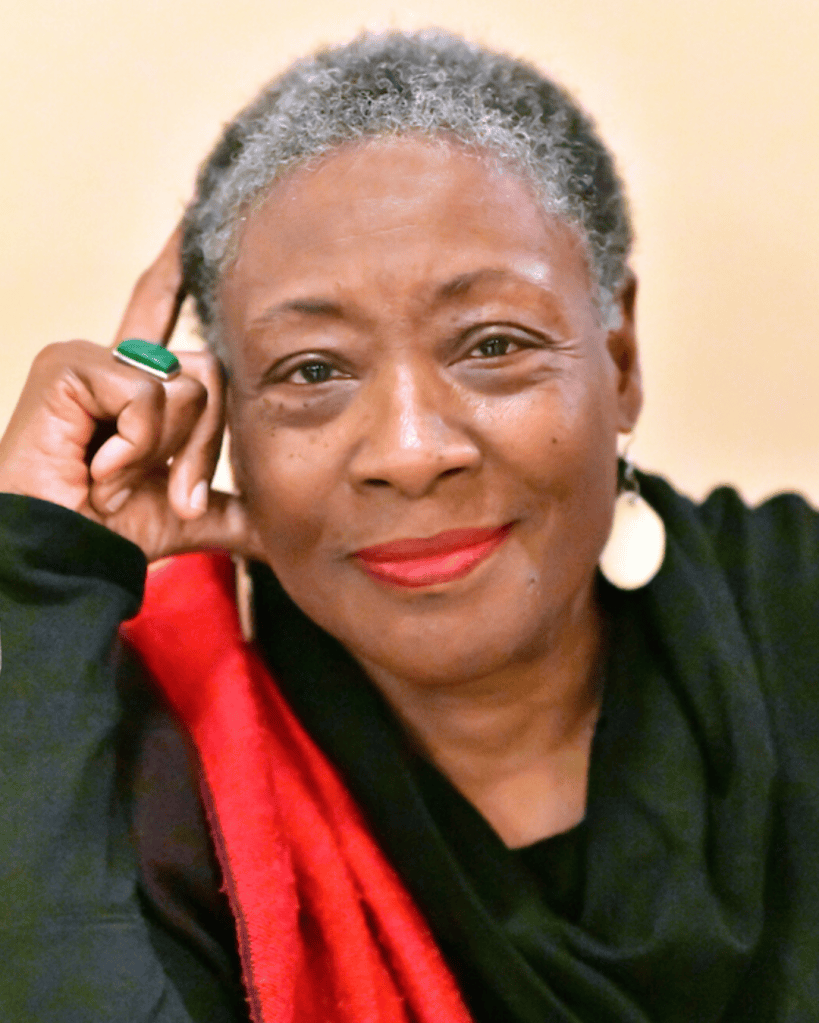
WASHINGTON, DC — Renowned author, educator, and literary activist Marita Golden, alongside award-winning biographer and cultural curator Tracy Chiles McGhee, will host a special virtual edition of “Ask Marita” titled “Community Is the Key to a Productive and Creative Writing Life” on Tuesday, September 24, 2026.
The free online event, taking place from 7:00 PM to 8:00 PM EST, will explore the vital role community plays in sustaining creative output, building writer confidence, and elevating craft. Attendees will learn actionable strategies for finding and fostering meaningful networks with fellow writers, editors, readers, and creative professionals.
“Community expands your vision and your sense of what is possible for your story,” said Marita Golden, co-founder of the Hurston/Wright Foundation and author of 23 works of fiction and nonfiction. “In community, we are inspired by the power of other writers, and we learn that others share the same doubts and uncertainties we feel.”
Research consistently shows that writers supported by formal or informal peer groups display higher confidence and honed writing skills. During the interactive hour, Golden and McGhee will share insights drawn from their extensive collaborative history bringing writers together and will open the floor for audience questions, suggestions, and stories.
Event Summary:
Title: Ask Marita: Community Is the Key to a Productive and Creative Writing Life
Hosts: Marita Golden featuring guest co-host Tracy Chiles McGhee
Date & Time: Tuesday, September 24, 2026 | 7:00 PM – 8:00 PM EST
Format: Free Virtual Workshop / Live Q&A
Admission: Free (Registration required)
Registration is currently open to the public. For more information or to reserve a spot for this virtual literary presentation, please visit the official event registration page.
About the Featured Hosts
Marita Golden is the award-winning author of 23 books, including How to Become A Black Writer, Long Distance Life, and The Wide Circumference of Love. A veteran professor of creative writing who has served on the graduate faculties of George Mason University, VCU, and Johns Hopkins University, Golden co-founded the Zora Neale Hurston/Richard Wright Foundation in 1990 to empower the global community of Black writers. She is a recipient of the Barnes & Noble / Poets & Writers “Writers for Writers Award” and the Authors Guild Award.
Tracy Chiles McGhee is an award-winning author, biographer, and cultural curator residing in Washington, DC. She serves as Project Director of Power Read 25, a national civic engagement initiative honoring Black women’s lives through biography, and is the author of the historical novel Melting the Blues. McGhee is currently working on a biography exploring Zora Neale Hurston’s formative years.
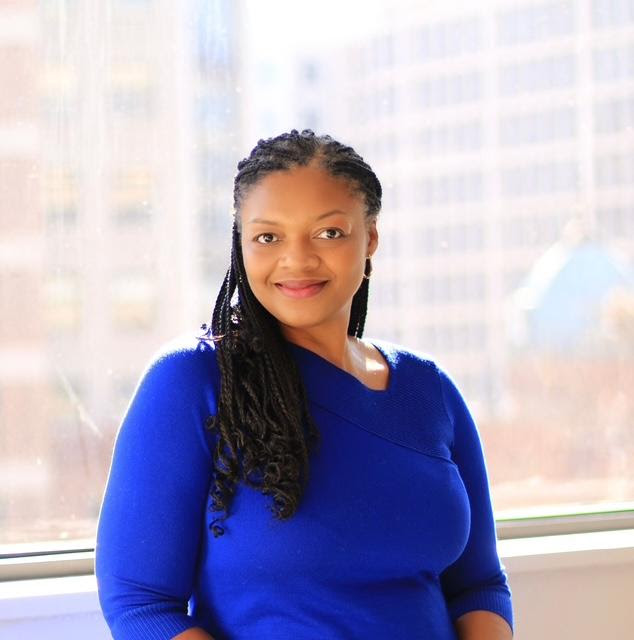
RICHMOND, VA — Maxamus Insurance Services, an elite Medicare specialist agency led by CEO Vinara Mosby, invites the local community to celebrate Grandparents Day on Sunday, September 13, 2026. The event will take place from 2:00 PM to 5:00 PM at the Peter Paul Development Center, located at 1708 N. 22nd Street in Richmond, Virginia.
Designed around the theme “Honoring the past. Supporting the future,” the special afternoon brings together grandparents, grandchildren, and families to celebrate family legacy while connecting older adults and caregivers with essential local resources.
Vinara Mosby
“We are eager to welcome families from across the Richmond area to celebrate the love, wisdom, and enduring legacy of our grandparents,” said Vinara Mosby, CEO of Maxamus Insurance Services. “Our goal is not only to create a joyful afternoon of togetherness, but also to ensure our seniors and caregivers have direct access to valuable tools, guidance, and community support.”
“Nobody can do for little children what grandparents do. Grandparents sort of sprinkle stardust over the lives of little children.” — Alex Haley, Pulitzer Prize–winning author of Roots
Event Details:
What: Grandparents Day Community Celebration & Resource Fair
Where: Peter Paul Development Center, 1708 N. 22nd St., Richmond, VA 23223
Highlights: Community networking, educational resources for seniors and caregivers, vendor displays, and light refreshments.
Admission: Free and open to the public.
Maxamus Insurance Services is also actively seeking local organizations and vendor partners interested in connecting with Richmond seniors and families during the event.
For more information about community resources, vendor opportunities, or event details, please visit the Maxamus Insurance Services website or scan the official event QR code featured on event promotional materials.
About Maxamus Insurance Services
Maxamus Insurance Services is an elite Medicare specialist agency dedicated to guiding seniors and families through personalized healthcare coverage solutions, advocacy, and community engagement.
Leigh Battle’s September Updates, Exciting News & Medicare Prep
Hi, friends!
I hope you have had a great summer as we look ahead to a beautiful fall season in Richmond.
As seniors, it’s important to do what we can to maintain our health as we age. This includes maintaining a healthy diet, exercising regularly, reducing stress, following a preventive care and screening schedule, and more.
Leigh Battle
I love helping my clients navigate all of their Medicare choices, Medicare Advantage, Medicare supplements, hospital indemnity, and other needs. As always, I’m here for you and am happy to answer any questions you have.
Have a great Healthy Aging Month, friends!
🎉 I’ve Been Recognized as a 2026 Honoree!
100 Women of Color Virginia Gala
I am truly honored and grateful to be recognized as a 2026 100 Women of Color Virginia Honoree!
For more than 40 years, I have had the privilege of serving families as a Realtor throughout the Richmond community—helping my clients find homes, build brighter futures, navigate important decisions, and make connections that can change their lives.
Along the way, I’ve learned that some of the most meaningful things we accomplish aren’t measured by awards or titles, but by the people we encourage, the doors we help open, and the difference we make for the generations coming behind us. That is one of the reasons this recognition means so much to me.
The 100 Women of Color Gala & Awards 2026: Virginia celebrates women from across the state who are making an impact through business, education, entrepreneurship, public service, and their communities. Even more importantly, the event helps support scholarships, leadership opportunities, and mentorship programs for young women of color.
I am so thankful for the family, friends, clients, colleagues, and community members who have supported and encouraged me throughout the years. So many people have been part of my journey, and I share this honor with all of you. May we continue using our experiences, our voices, and our opportunities to help pave the way for the next generation.
As I look forward to celebrating my birthday on September 24, I wanted to share a quick reminder: new Medicare recipients can apply up to 3 months before or 3 months after their 65th birthday.
Anytime in that important 6-month window that you’d like some help navigating your enrollment process, I am here for you! Contact me to schedule an appointment.
📅 Save the Date for Medicare AEP!
The Annual Enrollment Period (AEP) is just around the corner. Between October 15 and December 7, 2026, those eligible for Medicare will be allowed to enroll or make changes to existing coverage.
Start thinking about your healthcare needs for the upcoming year now. When the time comes, I’m happy to review your options with you!
Let’s stay in touch!
I am always here to answer your questions and help you navigate your choices.
Transformation Expert Rita Ricks Launches a 60-Minute “Breakup” Experience for the Overwhelmed Woman
She remembers the appointments, manages the household, drives the projects at work, and serves as the emotional anchor for everyone around her. But who is carrying her? For the woman who is exhausted from being the one expected to handle everything, the solution isn’t another lecture on stress management. It is time for a breakup.
On Monday, September 21, 2026, Rita Ricks—Transformation Expert, coach, educator, and creator of RAISING CALM™—will host a highly focused, live online experience designed specifically for the woman who is ready to put something down.
Unlike traditional wellness webinars that leave attendees with more information and a longer to-do list, this event is entirely action-oriented. During this 60-minute guided session, participants will step away from the noise to identify one specific source of stress that is draining their energy. From there, Ricks will help them uncover the repeating pattern keeping that stressor active, and empower them to make a definitive choice: to continue it, change it, share it, or release it entirely.
“You will not leave this hour with more statistics or information about stress,” says Ricks. “You will leave with a decision, the exact words to communicate it, and a next step you have already practiced.”
Attendees will leave the experience knowing exactly what they are carrying and why they continue to carry it. The session is designed to be a safe, low-pressure environment; no prior preparation is required, and while personal sharing is invited, it is never required.
To preserve the intimacy and accountability of the space, this is exclusively a live experience. No recordings will be provided.
Event Details:
Date: Monday, September 21, 2026
Time: 7:00 p.m. to 8:00 p.m. ET
Location: Live Online
Cost: $39 per participant
What’s Included: The 60-minute live guided experience, a participant workbook, and a completed Personal Breakup Plan.
Space is strictly limited to ensure a focused environment for all attendees. Women ready to reclaim their energy and draw a line in the sand are encouraged to reserve their place today.
Rita Ricks is a Transformation Expert, sought-after coach, educator, and the creator of RAISING CALM™. She specializes in helping individuals identify their roadblocks, shift their mindsets, and step into lives of greater peace, purpose, and intentionality.
The National Association of Black Journalists (NABJ) announced its 2026 Salute to Excellence Awards winners during its annual gala at the #NABJ26 Convention & Career Fair Saturday in Atlanta. Here are the winners for each category. Congratulations to all!
NABJ’s 2026 Authors Showcase that recently took place in Atlanta featured more than 25 authors whose work spans family, journalism, media, hip hop, politics, military service, religion and more. This signature event of the National Association of Black Journalists’ annual convention gives members up-close and personal access to fellow journalists who aspire to write books or who simply enjoy reading the work of their peers. It also offers NABJ’s authors a platform to showcase their storytelling and writing skills beyond the newsroom.
NBC broadcast journalist and co-host of “Jenna and Sheinelle” was featured in the National Association of Black Journalists’ Authors Showcase on Aug. 14, 2026 during the organization’s annual convention in Atlanta. Jones discussed her new book, “Through Mom’s Eyes: Simple Wisdom From Mothers Who Raised Extraordinary Humans.” Photo by Cedric Brooks
This year’s notable authors, journalists and guests included Sheinelle Jones of NBC’s “Jenna and Sheinelle” talk show; Nikole Hannah-Jones, the Pulitzer Prize-winning journalist and author of “The 1619 Project”; Lee Hawkins, formerly of The Wall Street Journal who discussed his book, “I Am Not Your Slave,”; and Marion Orr, a Brown University professor whose new book, House of Diggs, explores the life of the late Michigan congressman Charles C. Diggs Jr.
Additionally, Krishan Trotman, founder of Hachette Publishing’s Legacy Lit imprint, led a discussion about how journalists can expand their imprint through authorship. That panel included NABJ President Errin Haines along with broadcast journalists Roland Martin and Tiffany Cross.
Village Books, a Black-owned bookstore based in Atlanta, was onsite to stock and sell our authors’ books. They were wonderful to work with!
Below is a look at this year’s Authors Showcase participants and the journalists who interviewed them over a three-day period.
–Bonnie Newman Davis, Chair and Producer, NABJ Authors Showcase
1 & 2. Lee Hawkins, author of “I Am Not Your Slave,” and Robin Washington, Forward, discuss Hawkins’ book.
3. Booked and Visible: How Black Authors Build Buzz—With or Without a Publisher | Presented by Wayne Dawkins, Curtis Bunn, Jessica Tilles and Tanya Y. Mitchell.
4. Tiffany Cross discusses her new book, “Love, Me,” with Authors Showcase assistant Erin D. Stanley.
5. Nicole Carr shares details about her book, “The Price of Exclusion: Healthcare in a Segregated Nation.”
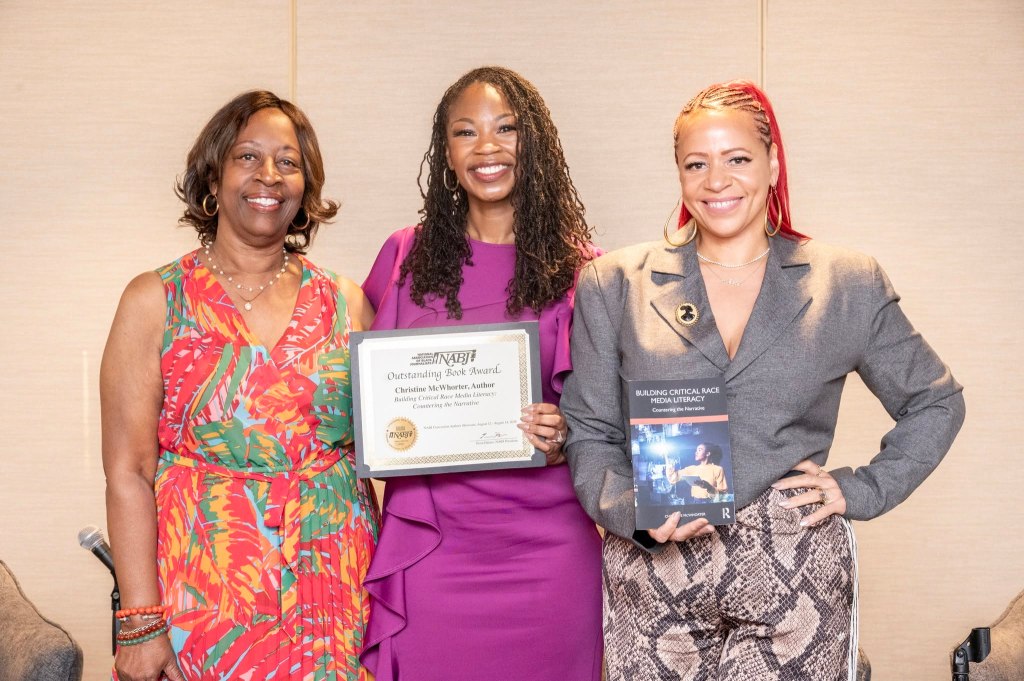
6. Sheinelle Jones, author of “Through Mom’s Eyes,” receives an Outstanding Book Award from Authors Showcase Chair and Producer Bonnie Newman Davis. – 7. Mashaun D. Simon, who authored “Faith Deconstruction For Dummies,” was interviewed by Delano Massey of Axios.
8. “Raps of Resistance: How Kendrick Lamar and J. Cole Reignited a Hip-Hop Tradition,” by Earl Hopkins and Dr. Jeremy McCool (left). Moderated by Ethan Sands (middle).
9. Legacy Lit, An imprint of Hachette Book Group, Presents “How Journalists Expand Their Imprint Through Authorship” | Presented by Krishan Trotman, Errin Haines, Roland Martin, Tiffany Cross.
10. “Black and Golden: Fifty Years of NABJ, 1975-2025” | Presented by the book’s editor Wayne Dawkins and contributor Gayle Pollard Terry. Moderated by Randall Pinkston.
11. Literary agent Laini Brown Jemison gives the inside scoop on book authorship and publishing.
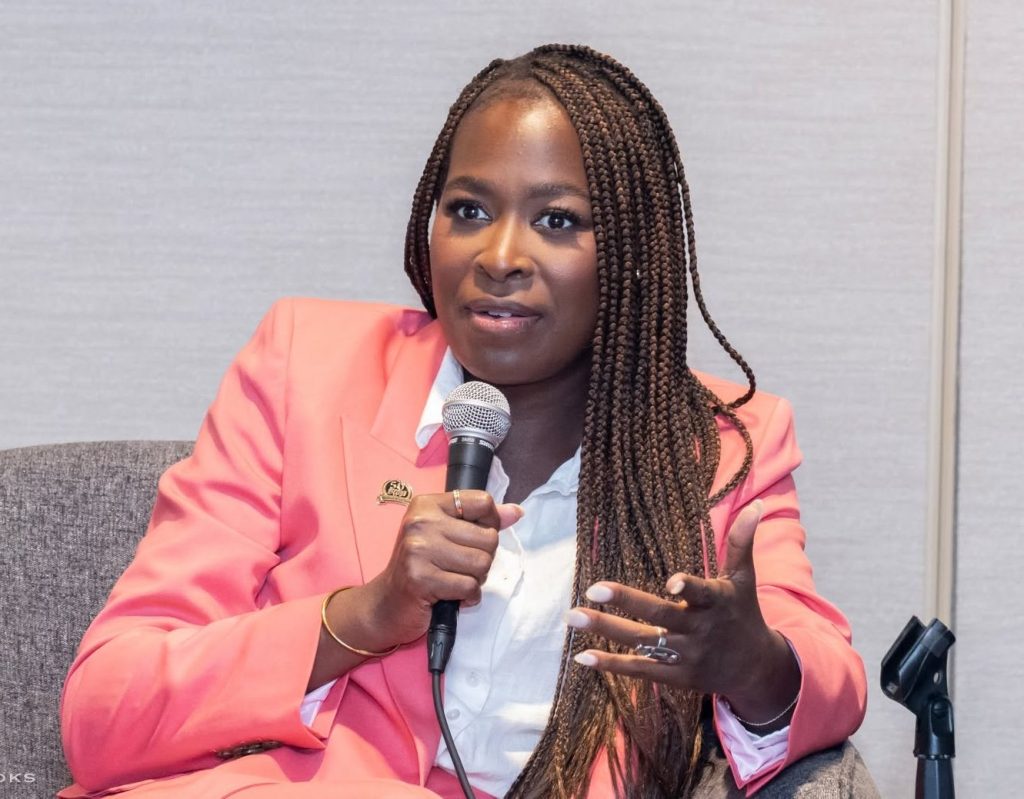
12. Christine McWhorter, Ph.D. of Howard University, discusses her book, “Building Critical Race Media Literacy.”
13. Legacy Lit, An imprint of Hachette Book Group, Presents “How Journalists Expand Their Imprint Through Authorship” | Presented by Krishan Trotman, Errin Haines, Roland Martin, and Tiffany Cross.
14. Veteran reporter and writer J.J. Green shares with broadcaster Jasmine Styles the details of his new book, “The Noise War: How to Fight Disinformation and Find Truth When Everything is Lying to You.”
15. “Touchdown In Brazil” is the newest work by prolific author Omar Tyree (right), who is interviewed by retired broadcast journalist Sam Ford. Ford is also an NABJ Founder.
16. “Forgotten Souls: The Search for Lost Tuskegee Airmen” is authored by Cheryl W. Thompson, a former Washington Post investigative journalist. With Cheryl is veteran journalist Ron Nixon.
17. “The Black Shield: An American Memoir of Family/Power” is Wilbert L. Cooper ‘s new book. He is interviewed by Daphne Duret of The Marshall Project.
18. Legacy Lit, An imprint of Hachette Book Group, presented the panel “How Journalists Expand Their Imprint Through Authorship” | Presented by Krishan Trotman, Errin Haines, Roland Martin, Tiffany Cross.
19. “Unearthing My Family Secrets of Land, Legacy – and Lettuce” is Lonnae O’Neal’s new book. O’Neal is a former Washington Post reporter. Ernie Suggs of the Atlanta Journal Constitution interviewed Lonnae about her powerful family memoir.
20. NABJ President Errin Haines and broadcast journalist Tiffany Cross share writing and publishing tips.
21. Gloria J. Browne-Marshall delivered a riveting presentation centered on her new book, “A Protest History of the United States.”
22. “We’ve Been Here Before: How Rebellion and Activism Have Always Sustained America” was written by the late Philadelphia Michael I. Days and his wife, Angela P. Dodson, a former New York Times editor. Days was a retired and highly revered news executive at the Philadelphia Inquirer and Daily News.
23. “Black and Golden: Fifty Years of NABJ, 1975-2025” | Presented by the book’s editor Wayne Dawkins, and former Los Angeles Times reporter Gayle Pollard Terry, one of the book’s contributors. Randall Pinkston, a former CBS News commentator, moderated the panel.
24. “Telling Our Stories: NABJ Book Pitch Session” by Laini Brown Jemison and Angela P. Dodson. From Idea to Pen to Paper to Publishing and Getting Paid | Presented by Laini Brown Jemison, Wisdom Martin, Delano Massey and Angela P. Dodson
25. “The Financial GPS: Navigating Your Path to Prosperity by Sonia White,” who was interviewed by Eva Coleman.
26. Village Books of Atlanta, curated NABJ’s Authors Showcase bookstore this year.
27. Nikole Hannah-Jones chats with Authors Showcase audience members.
28. Village Books bookstore.Village Books of Atlanta, curated NABJ’s Authors Showcase bookstore this year by stocking and selling dozens of NABJ’s authors titles.
29. “Building Critical Race Media Literacy” by Christine McWhorter, Ph.D., seeks to increase students’ critical understanding of systemic racial inequities depicted in various media texts. The book also empowers students prompts students to question and act against systemic racial inequities by recognizing in media texts.
30. Deric Gilliard chronicles his work in federal government during the Trump years in his new book, “The Longest Four Years of My Life.” . 31. David L. Shabazz, an associate professor at Kentucky State University, authored “Pro Wrestling’s Black World Champions.” Pro Wrestling’s Black World Champions – 3rd Edition. The book includes stories of some iconic wrestlers and some historical moments that include Bobo Brazil and others.
32. House of Diggs: The Rise and Fall of Charles C. Diggs, Jr. by Marion Orr (left), a professor at Brown University. At the height of the civil rights movement, Charles C. Diggs Jr. (1922–1998) was the consummate power broker. In a political career spanning 1951 to 1980, Diggs, Michigan’s first Black member of Congress.
33. Robin Allison Davis discusses her book, “Surviving Paris: A Memoir of Healing.” After more than a decade as a journalist and television producer, Robin Allison Davis decided to shake up her life and move to France. But it wasn’t quite the life she expected. When she was just thirty-four, she was diagnosed with breast cancer. Surviving Paris recounts her journey and how she got to finding herself healthy again, including all the detours in between.
34. Booked and Visible: How Black Authors Build Buzz—With or Without a Publisher | Presented by authors Curtis Bunn (middle), Jessica Tilles and Tanya Y. Mitchell. Bunn is the founder of the National Black Book Club, Mitchell is author of the book “More Than a Dean, about Quiester Craig’s pursuit of business school equity at HBCUs. Tilles provides multilevel writing and editing services to authors through her company, TWA Solutions.
35. Randye Bullock—One-Sixteenth: My Journey to Racial Identity by Randye Bullock. In her book, Bullock opens up a deeply personal and thought-provoking exploration of race, identity, and belonging.
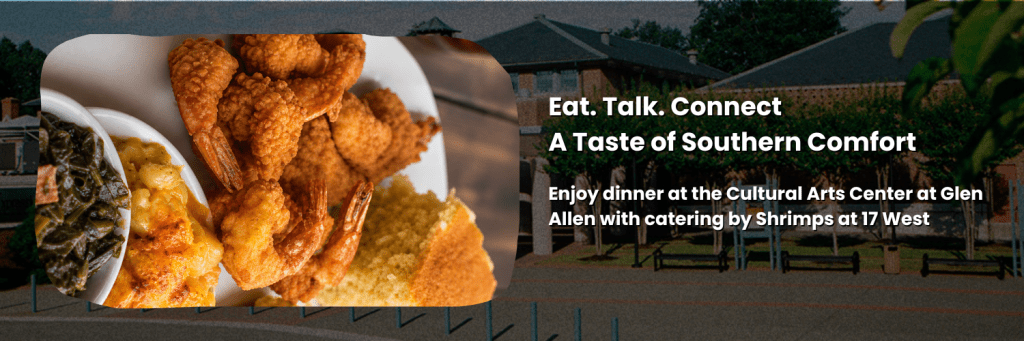
Dear Bridge Builders, Our Soul Food Dinner is happening this week, and we would love for you to join us for an evening filled with incredible food, meaningful conversations, and genuine connection at the Cultural Arts Center at Glen Allen. Come enjoy a delicious Southern-inspired dinner catered by Shrimps at 17 West, connect with others during our engaging Circle and Sips, and have fun learning a few moves during our lively line dancing session. This is more than dinner. It is an opportunity to gather, share stories, meet new people, and experience the joy of connection through food and culture. Thursday, May 28, 2026 5:45 PM – 8:00 PM The Cultural Arts Center at Glen Allen 2880 Mountain Rd Glen Allen, VA 23060 What to Expect: 🍽️ Delicious Southern soul food 🦐 Catered by Shrimps at 17 West 💬 Circle and Sips conversation experience 🎶 Fun line dancing session ✨ A warm and welcoming community atmosphere Tickets: $60 for non-members FREE for Dinner Club Members We hope you’ll join us this Thursday for a memorable evening of food, culture, and connection. Reserve your seat today. Warmly, The Culture Encounters