Courtesy, Getting Word: African American Oral History Project
Coralie Franklin Cook
Dates Alive: 1861-1942
Family: Hemings-Colbert
Occupation: College teacher; Public speaker; School board member
Coralie Franklin Cook, Brown Colbert’s great-granddaughter, was born in slavery and became the first descendant of a Monticello slave known to have graduated from college. She was born in Lexington, VA, to Albert and Mary Elizabeth Edmondson Franklin (1829-1917). In 1880, Coralie Franklin graduated from Storer College in Harpers Ferry, WV. From this time, she was widely noted as a powerful public speaker. She taught elocution and English at Storer and then at Howard University.
In 1898 she married George William Cook (1855-1931), a Howard University professor and trustee. Coralie Cook served for twelve years as a member of the District of Columbia Board of Education. She was a founder of the National Association of Colored Women and a committed suffragist. About 1910, the Cooks became followers of the Baha’i faith. A longtime friend and admirer of Susan B. Anthony, she eventually became disillusioned by the women’s suffrage movement, feeling it had “turned its back on the woman of color.”
Ancestry
- Elizabeth Hemings1735-1807
- Betty Brown1759-post 1831
- Brown Colbert1785-1833
- Malinda Colbert Edmondsonca. 1808-1863
- Coralie Franklin Cook1861-1942
Related People
- Brown Colbert – Ancestor
Previous
Coralie Franklin Cook. West Virginia University LibrariesCoralie Cook with her husband, George William Cook. National Baha’i ArchivesNext
Hear Their Stories
“We Should Be Treated As Americans”
“Disfranchisement Because Of Sex … Handicaps Progress”
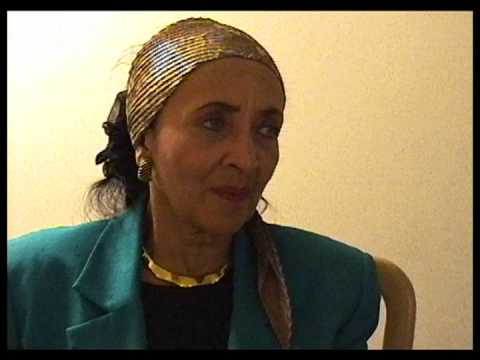
“Everything Was Kind Of Hush-Hush” — Frederick Madison Roberts and Patricia Roberts
“There Was A Closeness There” — Ellen Hemings Roberts, Frederick Madison Roberts and Gloria Roberts
“The American Idea Of Fair Play”
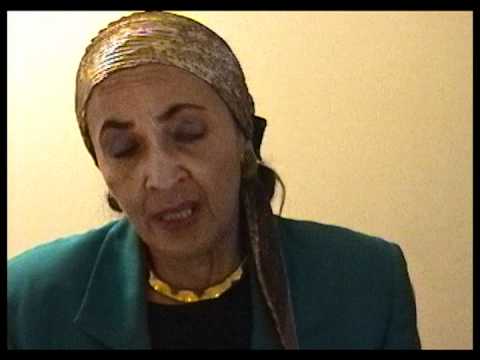
“To Take Pride In Who We Were” — Frederick Madison Roberts and Patricia Roberts

 BND Institute of Media & Culture

