RVA’s Seasonal Roundup of Arts and Culture

VMFA, UR and Charlottesville’s Heritage Center host fall, holiday celebrations
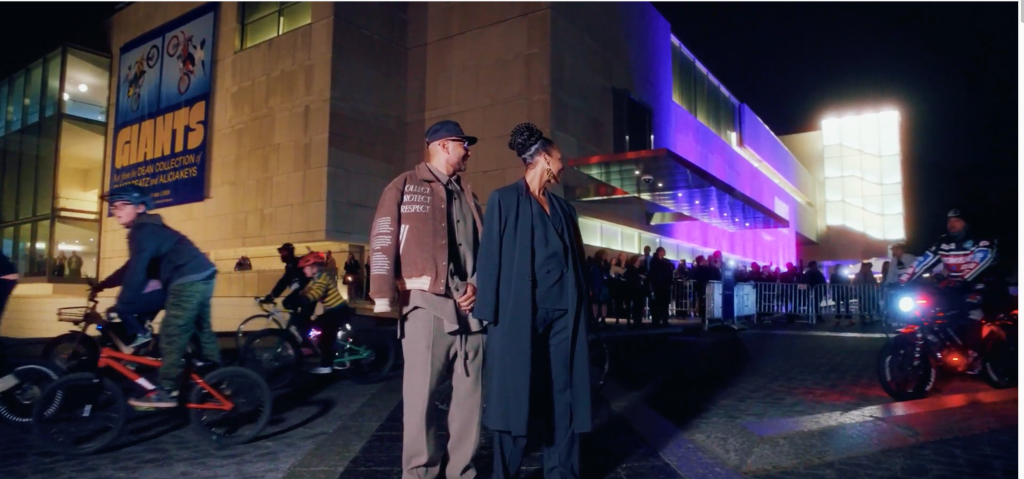
Kasseem Dean (Swiss Beatz) and his wife Alicia Keys previewed their “Giants” exhibition at the VMFA.

“Giants: Art from the Dean Collection of Swizz Beats and Alicia Keys” opened at the VMFA on Nov. 22. Coming from the collection of Swizz Beatz, the stage name of American DJ and record producer Kasseem Dean, and Alicia Keys, the exhibition features over 130 works of art by 40 Black artists from Africa, Europe, the United States and the Caribbean.

Among the “giants” celebrated in this collection are both established and emerging artists and photographers – names such as Derrick Adams, Jean-Michel Basquiat, Amy Sherald, Nick Cave, Titus Kaphar, Toyin Ojih Odutola, Esther Mahlangu, Kwame Brathwaite, Mickalene Thomas and Kehinde Wiley.

Two of the featured artists will also participate in events at the VMFA.

Deborah Roberts is a mixed media artist whose work has been exhibited across the U.S. and Europe. On Thursday, Dec. 4, Roberts will give a talk titled “Practice, Practice, Practice” at 6:30 p.m. in the Cheek Theater. Its focus will be the balance of vulnerability, discipline and creative capital – the emotional, physical and imaginative forces – that shape how an artist creates and sustains a creative life.

At 6:30 p.m. the following Thursday, Dec. 11, Arthur Jafa will be in the Cheek Theater for an artist conversation with Enjoli Moon.

Moon, who founded the Afrikana Independent Film Festival in 2014, will speak with Jafa about his use of cinematic qualities in his film and media.

For more than three decades, Jafa has created imagery that looks at how the Black experience is contructed and consumed in contemporary culture. His work includes films, paintings, sculptures and installations – included his time-based media installation which will be on view at the VMFA from Dec. 7-14 as part of the museum’s REWIND<<FastForward series

Both of these artist events will be available to watch from home with Livestream

Check out the events on the calendar at the University of Richmond
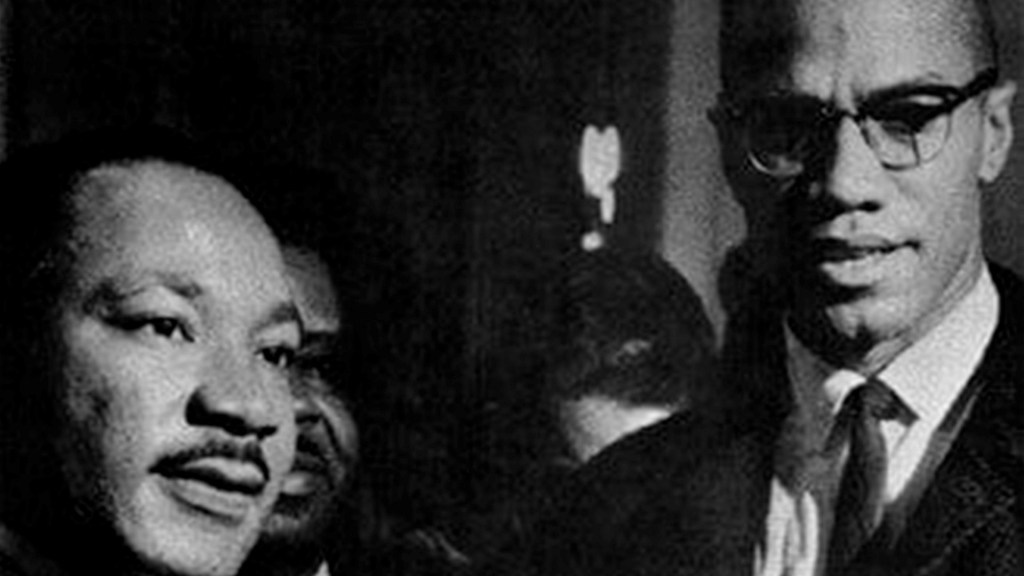
UR Free Theater and Dance will present “The Meeting” in the Alice Jepson Theatre. This 1987 American play, written by Jeff Stetson and directed by Chuck Mike, imagines a meeting between Martin Luther King Jr. and Malcolm X in a Harlem hotel during the height of the Civil Rights Movement. An evening performance will take place Saturday, Nov. 22 at 7:30 p.m., with a matinee happening Sunday, Nov. 23 at 2 p.m. Arrive an hour ahead of each performance to view the exhibition and experience the preshow activity in the Modlin Centre lobby and courtyard. 

As part of the Department of Music Free Concert Series, there will be several musical offerings happening in the Camp Concert Hall that are free and open to the public although advance registration is encouraged.

  • Saturday, Nov. 22 at 7:30 p.m.: Wagner and Kong Duo – cellist Christoph Wagner and pianist Joanne Kong will perform the Cello and Piano Sonatas of Frédéric Chopin and Dmitri Shostakovich
  • Sunday, Nov. 23 at 3 p.m.: Global Sounds – a family friendly event featuring student and community performances of traditional Japanese, West African, Brazilian and Indonesian music
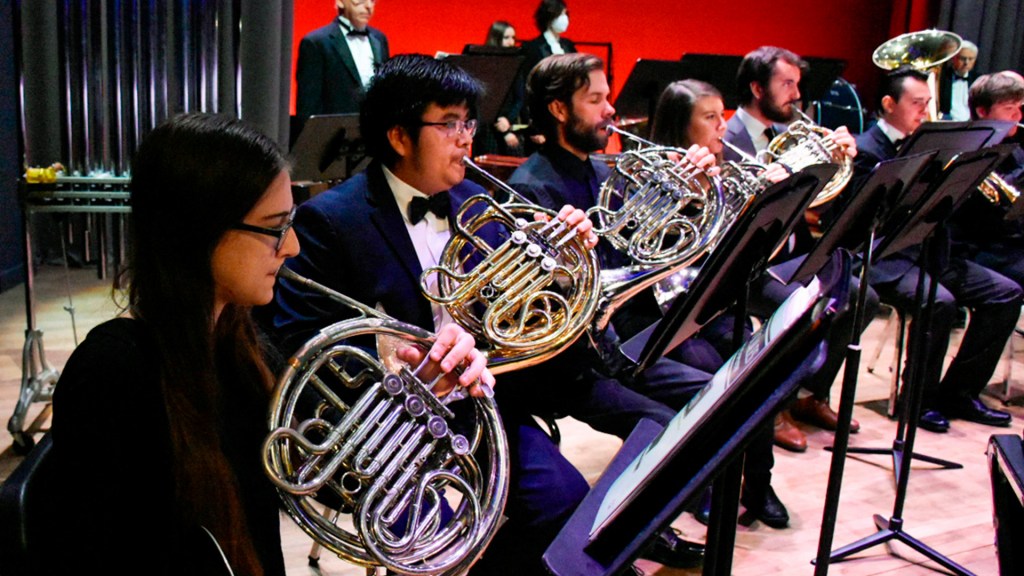
  • Monday, Nov. 24 at 7:30 p.m.: Wind Ensemble – featuring classics in the Wind Band Literature, UR’s ensemble will perform a work by Gulda alongside artist-in-residence,  Christoph Wagner
  • Monday, Dec. 1 at 7:30 p.m.: Chamber Ensemble – presenting an evening of music performances by student instrumentalists, vocalists and pianists
  • Wednesday, Dec. 3 at 7:30 p.m.: University Symphony Orchestra – performing a varied program of repertoire that will feature cellist Ethan Rodgers-Gates and clarinetist Adam Kasti, winners of the orchestra’s 2025 Concerto Competition

In addition, the Office of the Chaplaincy and the Department of Music will hold the 52nd annual Candlelight Festival of Lessons and Carols on Sun., Dec. 7, 2025, in the Chapel. Two services will be offered – one at 5 p.m. and one at 8 p.m. The University’s Schola Cantorum will present new and familiar Christmas carols and anthems in the tradition of the “Festival of Nine Lessons and Carols” that was first held at King’s College Chapel in Cambridge, England, on Christmas Eve 1918. The services conclude with the lighting of candles by the congregation and the singing of “Silent Night.” Prelude music will begin 20 minutes before each service. 
Tickets are not required, and seating will be on a first come, first served basis until we reach capacity. Doors will open one hour before each service.

For further details about any of these upcoming events at the Modlin Center for the Arts visit https://modlin.richmond.edu/events/index.html

Celebrate with the Jefferson School African American Heritage Center

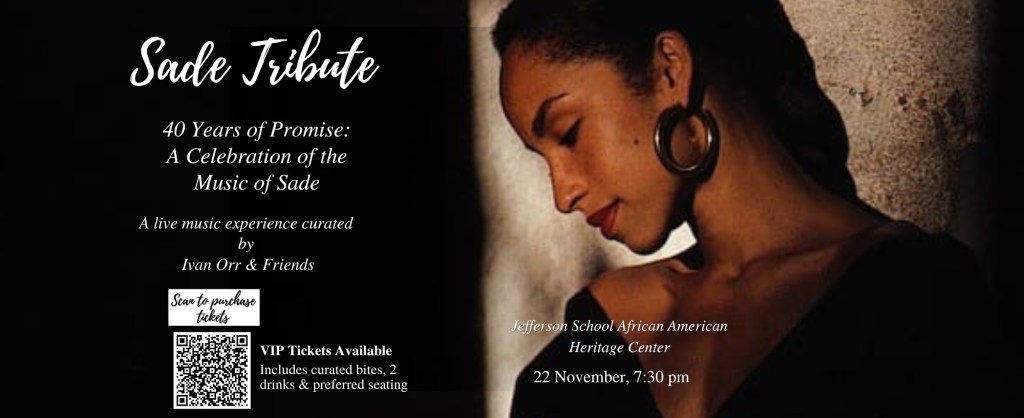
The Jefferson School African American Heritage Center will host a special tribute concert honoring the music of Sade on Saturday, Nov. 22. “40 Years of Promise: A Celebration of the Music of Sade” will feature Ivan Orr & Friends performing favorites from Sade’s catalog.

This is a ticketed event with VIP and general admission seating available. The concert begins at 7:30 p.m. Doors open at 6 p.m. for the VIP experience which includes food, drinks and preferred seating. General admission entry begins at 7 p.m. Tickets can be purchased by clicking the link above.

JSAAHC will also host its annual Holiday Celebration on Saturday, Dec. 13 from 1 – 4 p.m.
RSVP at the link above for a free family afternoon featuring holiday music, professional photos with Black Santa and hands-on kids’ crafts, including making Mkeka mats and cookie decorating. Have some hot chocolate and apple cider, or enjoy the bites, beverages, sweet treats and wine tasting hosted by Black Women Who Wine.

Kwanzaa libation begins at 2 p.m., followed by music by the Ebenezer Baptist Church Choir. Professional photos with Black Santa and kids’ crafts will be available throughout the event.

The Jefferson School African American Heritage Center is located at the Jefferson School City Center, 233 4th St. NW, Charlottesville.
KITCHEN TALK 2025

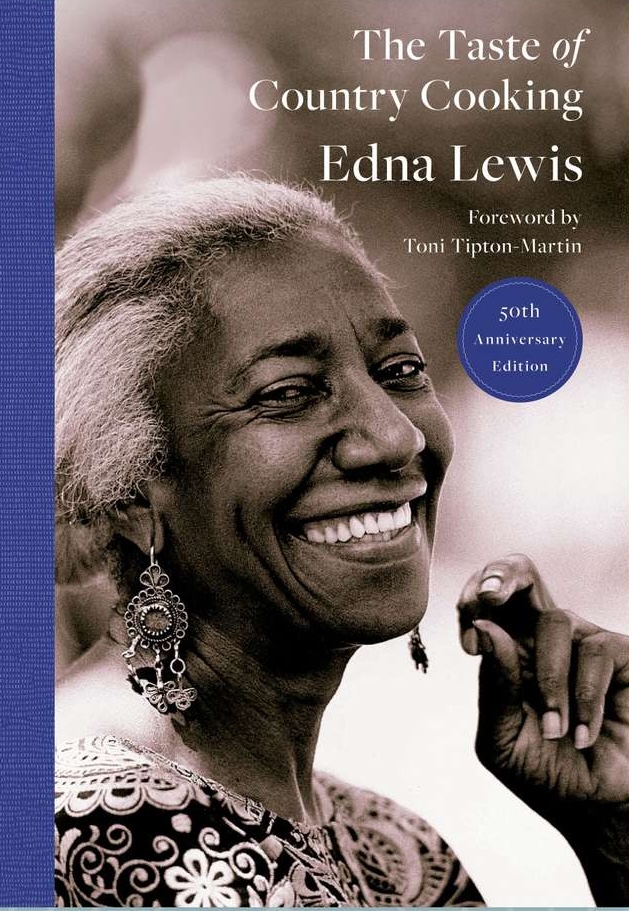
In observance of the 2025 Thanksgiving and Christmas holidays, the BND Institute of Media and Culture is proud to recognize the life and legacy of renowned chef and cookbook author Edna Lewis. Since 2018, the BNDIMC has paid homage to Ms. Lewis’ gift and work through its annual Kitchen Talk series. Only in recent years has Ms. Lewis’ talent in developing recipes and menus and cooking mouth-watering meals —from a farm in Freetown, Va. to the bright lights of New York City and beyond — been acknowledged by wider audiences. We are thrilled to continue telling her story. Bon appétit!

Preserving the legacy of Edna Lewis is a ‘charge to keep’

The 2025 Family Reunion, hosted by Kwame Onwuachi at Salamander Resort in Middleburg, Va. last August, included author and documentary filmmaker Deb Freeman (left holding platter during a family-style luncheon). Freeman delivered remarks for a panel discussion about renowned culinary chef Edna Lewis (right). Photo of Deb Freeman by Clay Williams.

By Debora Timms

Black women have been an integral part of American food culture without the visibility and acknowledgment of being credited for it. This fact was explored during “Edna Lewis and the Legacy of a Black Woman Chef,” a roundtable discussion on Aug. 16 as part of the Salamander Resort’s Fifth Annual Family Reunion in Middleburg, Va.

Born in 1916 in Freetown, a rural Virginia community founded by formerly enslaved people, including her paternal grandfather Chester Lewis, the young Edna Lewis’s family taught her how to cook with food that was locally available. She left the farm for New York as a teenager, and would go on to become a trailblazer.

At a time when Black female chefs were rare, Lewis became the chef and partner in New York’s celebrated Cafe Nicholson in 1949, then went on to cook in other elite restaurants in the years that followed. By presenting the food and traditions of her childhood with simplicity using beautifully fresh, in-season ingredients, she redefined Southern cuisine and became an early pioneer of the “farm-to-table” movement that later exploded into a mainstream phenomenon in the 2000s.

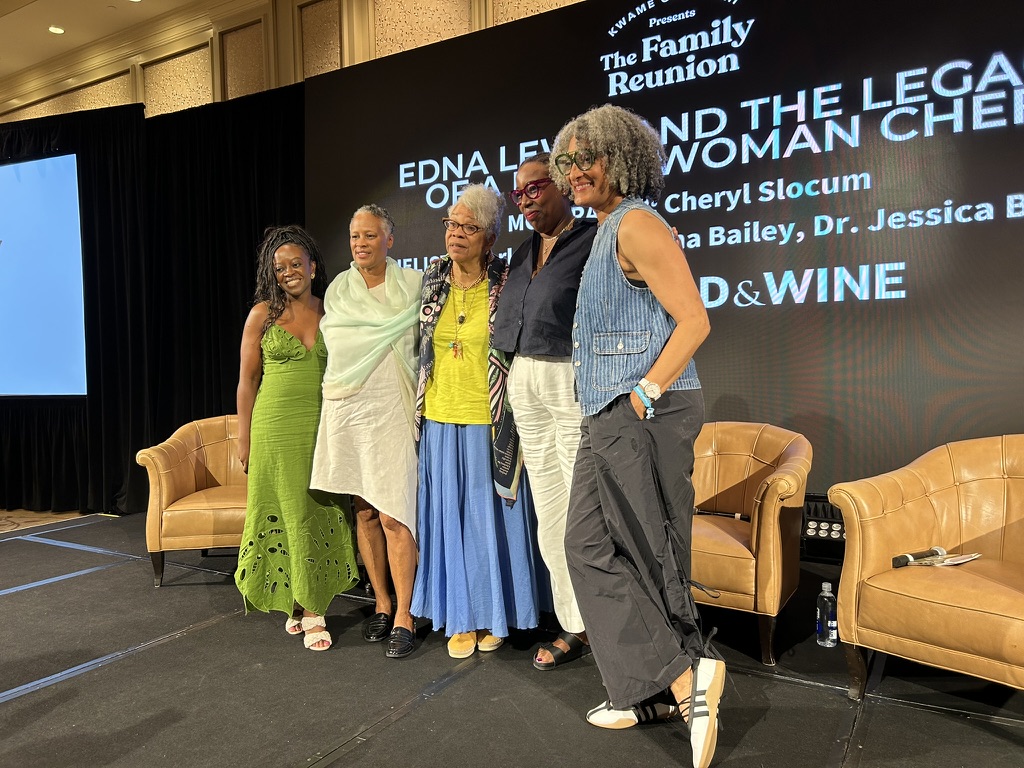
“Edna Lewis and the Legacy of a Black Woman Chef,” was part of the The 2025 Family Reunion, hosted by Kwame Onwuachi at Salamander Resort in Middleburg, Va. in August. Cheryl Slocum (second from left), a James Beard award-winning writer and editor for Food & Wine magazine, moderated the discussion, which included culinary historian and cookbook author Dr. Jessica B. Harris (middle), as well as chefs Carla Hall (far right) and restaurateur Mashama Bailey (second from right. Photo by Bonnie Newman Davis.

Freeman is a writer and host of the podcast, “Setting the Table,” as well as executive producer of the award-winning PBS documentary, “Finding Edna Lewis,” which explores the life of the late chef and cookbook author. Freeman, who alos was born in Virgnia, provided an introduction  and overview of the acclaimed chef’s life at Salamander last summer.

Southern food often has suffered a bad rap, she said in a recent interview with the BND Institute of Media and Culture.

“Edna Lewis turned that on its ear,” she said. “She got people talking about Virginia food and until then, it was often left out of the American conversation.”

The partnership at Cafe Nicholson certainly profited from Lewis’ talent and cooking skills by promoting her food, but not her. While she may have been instrumental in bringing Virginia into the culinary conversation, Lewis herself remained in the shadows.

During the Salamander panel discussion, moderator Cheryl Slocum, a James Beard award-winning writer and editor for Food & Wine magazine, asked author and culinary historian, Dr. Jessica B. Harris, as well as chefs Mashama Bailey and Carla Hall about their knowledge of Lewis. None could say they grew up knowing her as a household name, and it wasn’t until they started searching that they became aware of her. This even though the second of her four cookbooks, “The Taste of Country Cooking,” is considered a classic.

“I mean, I went to a French culinary school where Black women, Black people were not the focus,” Hall said. “You have to really dig and be intentional about finding them.”

Harris referenced an old Methodist hymn in declaring the responsibility to carry Lewis’ legacy forward “a charge to keep.” That intentionality is something each of the participants said they strive to give voice to in their lives.

Bailey does so as the award-winning executive chef and partner in The Grey, her restaurant in Historic Downtown Savannah, Ga., where female culinary influences such as her mother and Lewis inspire her cooking, and as chairwoman of the board at the Edna Lewis Foundation which works to honor and extend Lewis‘ legacy by creating opportunities for African Americans in agriculture, culinary studies and storytelling.

Other recognition has come since Lewis died in 2006.

Lewis was named an African American Trailblazer by the Library of Virginia in 2009, and was depicted on a U.S. postage stamp in 2014. In addition, the Virginia Department of Historic Resources unveiled a historic marker near her hometown in 2024.

However, Hall noted the need to be “be out there making her a topic of conversation.”

During her phone interview, Freeman addressed why these types of conversations are critical.

“So much of our history is oral, not written. Once it’s gone, it’s gone,” she shared.

For the past decade Freeman has used her writing and her podcast to explore Black foodways and the intersections of race, culture and food.

“Our ancestors had their language and their names stripped from them, but their legacy of food remains,” she continued, adding that this legacy is made up of the cooking techniques, seasonings and spices that create a direct link to the West African heritage of the past.

“If we are not documenting it and taking note, we’re doing a disservice to that ancestral past, but also to our more immediate family, our parents and grandparents.”

Freeman added that while it is heartening to see increasing numbers of Black writers and archivists, but stressed that more are needed because the work is “very difficult when there are not names and written documents to connect the dots.” Lewis’ legacy comes alive in these chefs and storytellers. But it also lives in every kitchen and every story that connects food to identity. Her work serves as a guide and a challenge – to cook with simplicity, to use beautiful food, to celebrate community and to honor those who laid the foundations. By doing so, the vision

AAMD Pine Grove Project: Preserving Oral History

Courtesy, AMMD Pine Grove

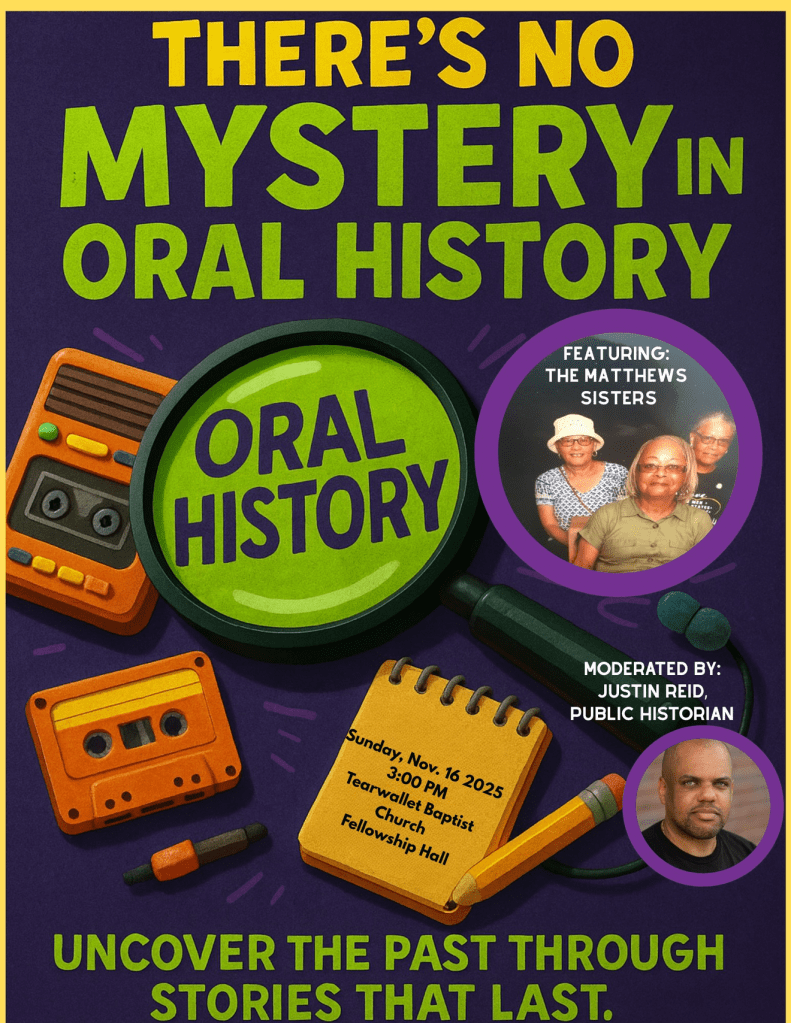
Community members are invited to uncover “hidden gems of history” and hear local voices inspire future generations with “There’s No Mystery in Oral History.”

The AMMD Pine Grove Project, a descendant-led nonprofit dedicated to preserving the legacy of Pine Grove School and other Rosenwald-era educational sites, will host the special event at the Tearwallet Baptist Church on Sunday, Nov. 16 at 3 p.m. It promises to be a blend of reflection, education and celebration, exploring the power of using oral history to preserve Black heritage.

“Oral history is how we bridge generations. It is how we ensure the wisdom and witness of our elders are not lost,” said Sonja Branch-Wilson, AMMDPGP’s president. “This gathering is part reunion, part revival and all about legacy.”

Featuring a conversation with the Matthews Sisters, daughters of Cumberland and alumni of Pine Grove and Luther P. Jackson High School, the program will be moderated by Justin Reid, an organizer and public historian specializing in rural movement building and cultural right, memory and sustainability. He is known for his advocacy in documenting African American history across Virginia and beyond.

Attendees can expect a program infused with music, memory and mission. They will also learn more about Getting Word – the African American history department at Monticello, Thomas Jefferson’s plantation home. Their oral history project seeks to record and preserve the family histories of Monticello’s enslaved community and its descendants in order to help shape programming and share a more honest history of the United States.

Admission is free and all are welcome.

To register, visit:  https://tinyurl.com/ammdpgpeventsreg

Alvin Lester: Portraits of Jackson Ward and Beyond

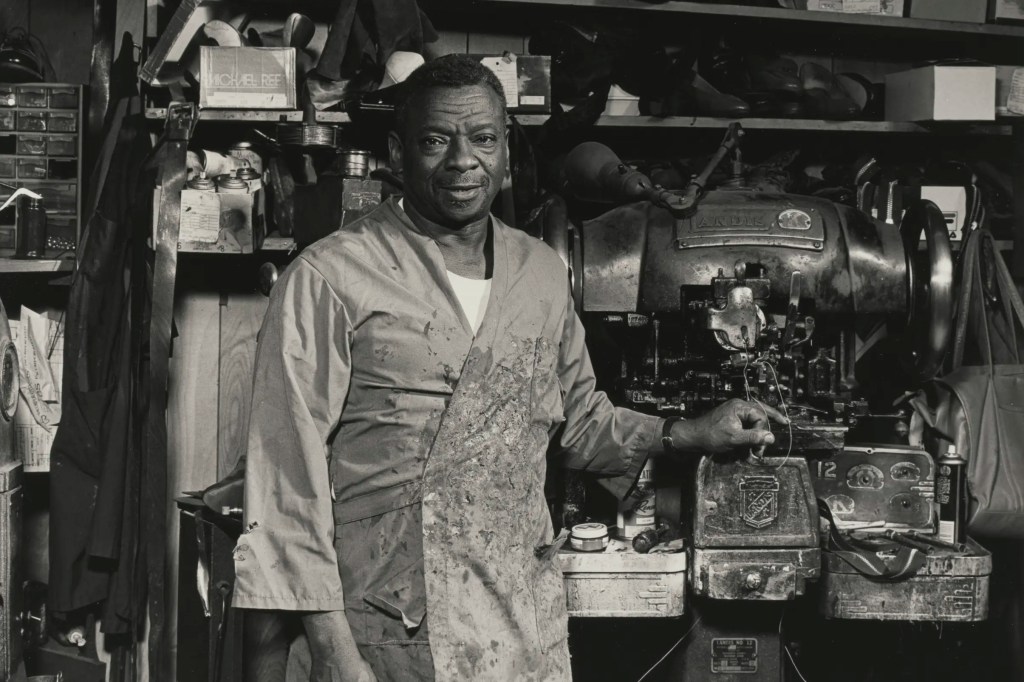
Robert Wagstaff, Shoe Cobbler (detail), 1989–91, Alvin Lester (American, born 1947), gelatin silver print. Virginia Museum of Fine Arts, National Endowment for the Arts Fund, 2025.96. © Alvin Lester

Courtesy VMFA

This exciting exhibition showcases 20 portraits photographed by Alvin Lester in the late 1980s and early 1990s, when he set out to capture the people and businesses that defined Richmond’s historic Jackson Ward, as well as nearby neighborhoods such as Northside and Church Hill.

Lester photographed beauticians, bakers, real estate brokers, journalists, and others who formed the backbone of Richmond’s famous Second Street business district. There, Jackson Ward emerged, in the decades after the Civil War, as a vibrant center of Black community, business, and family life. Lester is particularly attuned to the role of small business in forming a city’s character.

Photographer Alvin Lester (center) is surrounded by his wife, Jackie (third from left), and a host of friends following his artist’s talk on Oct. 24 at VMFA.

Now part of the VMFA collection, Lester’s portraits are a lasting tribute to the strength and spirit of Black Richmond and a testament to the generational roots that continue to shape the city today.

Alvin Lester: Portraits of Jackson Ward and Beyond is organized by the Virginia Museum of Fine Arts and curated by Dr. Sarah Kennel, VMFA’s Aaron Siskind Curator of Photography and Director of the Raysor Center for Works on Paper. The exhibit continues through March 30, 2026. Details here.

The Joy of “Southern” Cooking

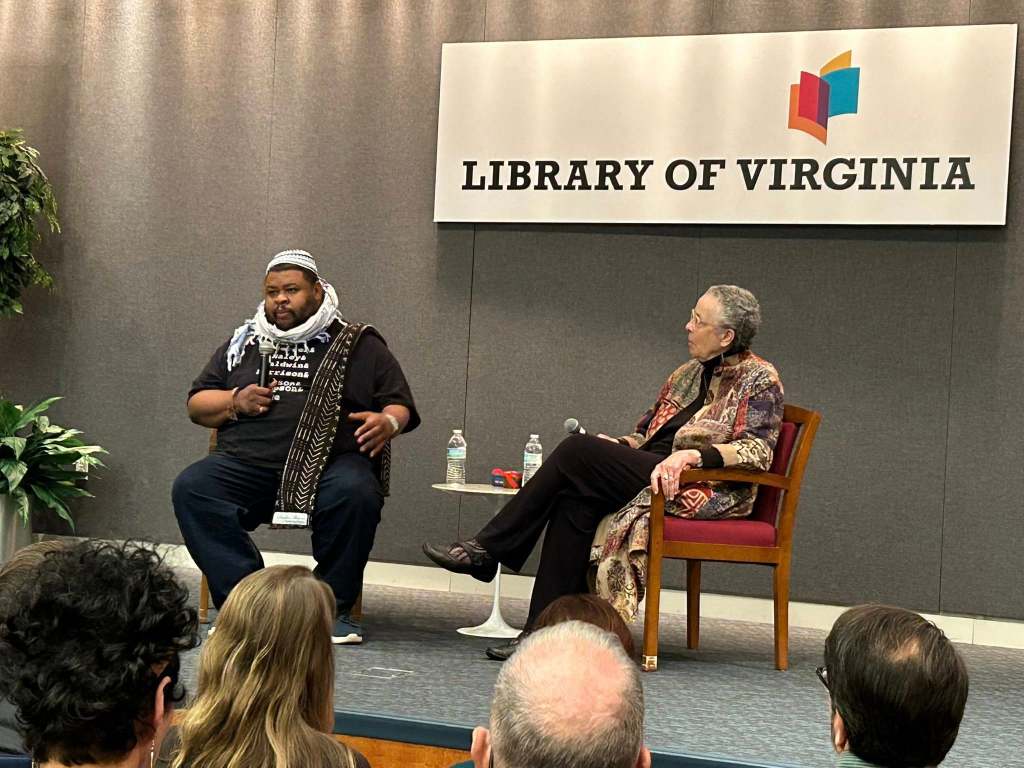
Author and culinary historian Michael Twitty and Dr. Leni Sorensen at the Library of Virginia.

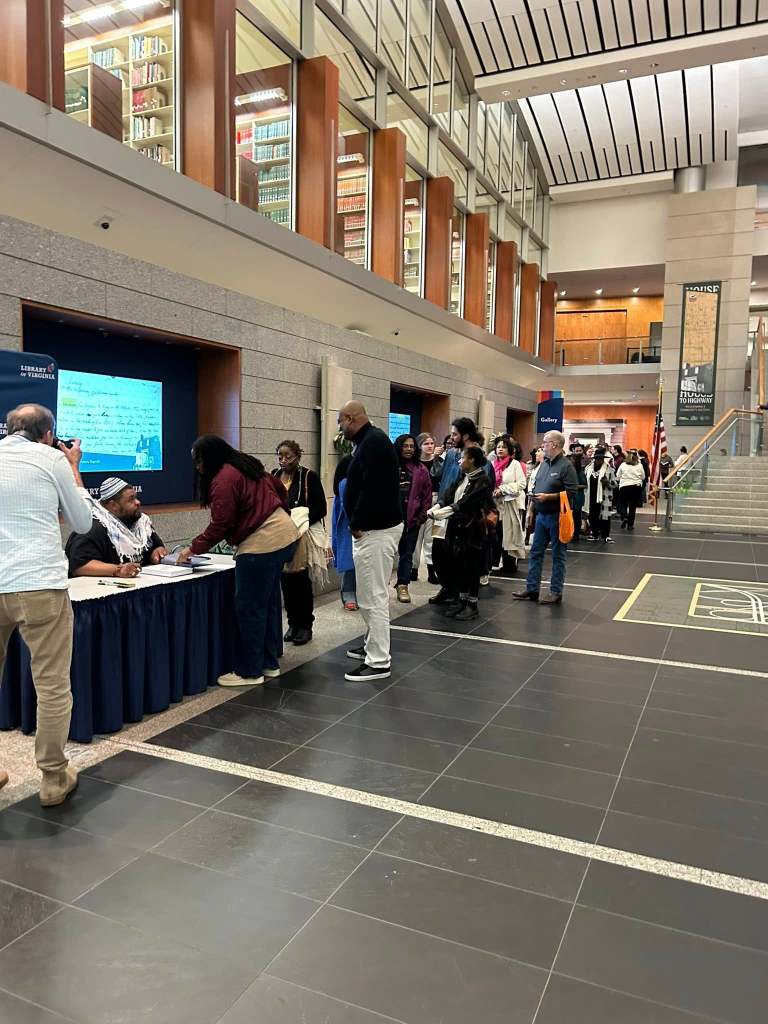
Homemade mayo, the art of making potato salad, canned potatoes, collard greens and Hoppin’ John. What an excellent program on Oct. 28 that featured a conversation between culinary historian Leni Sorensen and award-winning author and culinary historian Michael W. Twitty on Twitty’s new book, “Recipes From the American South.” The crowd-pleasing discussion followed the foundation of Twitty’s James Beard Award–winning memoir, “The Cooking Gene.”

Twitty and Sorensen discussed their shared interest in food traditions, family stories, and the importance of passing down culinary knowledge.

Twitty emphasized the significance of self-reliance, gardening, and preserving food traditions for future generations.

“So, you know, both of my grandmothers were very different people. One was from Alabama, and one was from Prince Edward County, Virginia,” Twitty said. 
”One was tobacco farmer, and the other one was two generations removed from a cotton field. . And both of them kind of had the same idea. First it was ‘know how to do everything you can do for yourself.'” 


Twitty noted that many Black people adhered to that mantra of self reliance largely due to Jim Crow laws and the Great Depression. While his grandparents could not depend on the legal system to protect them from Jim Crow, they did have themselves and the ability to help others in their communities by sharing food that often came from their gardens.

On the subject of mayonnaise and canned potatoes, Sorensen, a former meat farmer in South Dakota who moved to Virginia in the 1980s, said she has made her own mayonnaise for decades. She also started canning potatoes so as not to waste any of the leftover vegetable after making potato salad and/or baked potatoes, she said.

The conversation also touched on regional food differences, the importance of community gardening, and the need to connect with others who share a passion for food and tradition.

Great job, Library of Virginia! More, please.