Celebrating freedom, community, and the legacy of farming and land ownership
Courtesy, Footprints in the Garden
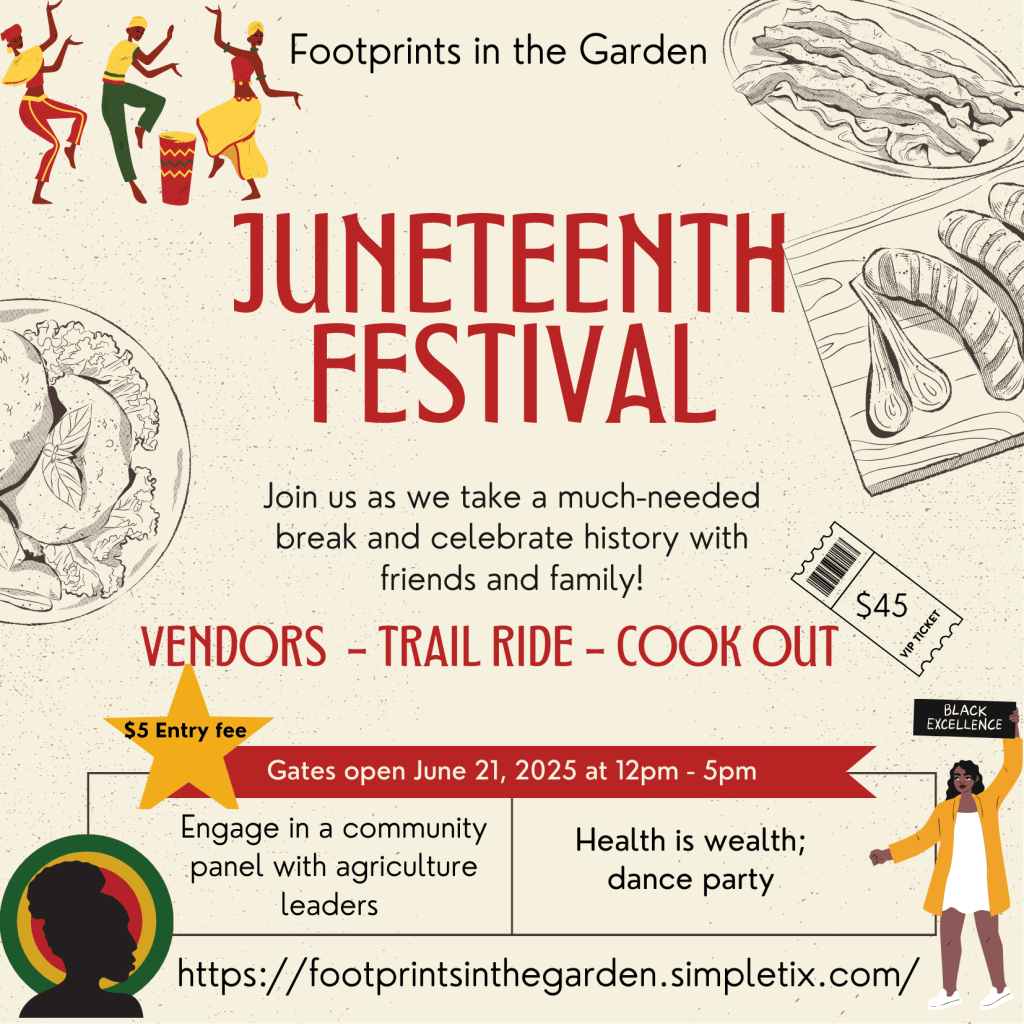
We are excited to invite you to our Juneteenth Festival at Footprints in the Garden, a historic farm that has been a cornerstone of agriculture in the Mount Olive community for over 142 years. Join us on June 21, 2025, from 12:00 PM to 6:00 PM, with VIP activities extending until 9:00 PM. This year, we are celebrating freedom, community, and the enduring legacy of farming and land ownership.
Event Details:
June 21, 2025 12 – 6 PM VIP Activities extending until 9 PM. $5 General Admission / Entry Fee $45 VIP Package with Cookout
For just $5.00 per person, your entry includes a range of fun-filled activities, including one-on-one horse rides, scenic hayrides through the 4 Martin family farms, and a community panel, focusing on the future of agriculture and sustainable practices, and the opportunity to shop with local vendors. You’ll also enjoy live Southern Soul music, and a Dance Party to round out the day. Be sure to bring your fans, cowboy hats, and boots as we dance and groove to the rhythm of the farm. Don’t forget your lawn chairs to relax and take in the festivities in comfort.
For those looking to enjoy an elevated experience, we are offering a VIP Package for $45.00 per person. The VIP package includes all the activities of general admission, plus a farm-to-table meal prepared with fresh, locally-sourced ingredients, access to an exclusive VIP Information panel where you can ask questions about agriculture, the impact the disruption of the food chain has on the country and an unforgettable evening of live music and dancing.
Whether you’re a family looking for a fun day out, an agriculture enthusiast eager to learn more about farming, or someone who loves the idea of dancing on the farm to soulful tunes, there is something for everyone. Footprints in the Garden is the perfect place to celebrate Juneteenth while connecting with the land and the people who make it thrive. Whether you live in the city or the country, we invite you to experience the charm of our historic farm and the warmth of our community.
We are now accepting vendor applications for the festival! Apply today to showcase your products and join the fun for only $20.00!
Venue Details
Footprints in the Garden 595 Mills Loop Road Mount Olive, North Carolina 28365
New Series Features Renowned Chefs and the Connections Between History and Cuisine
Courtesy Monticello News Release
Food Network star Chef Marc Murphy to headline inaugural program on June 26 and 27.
CHARLOTTESVILLE, VA – The Thomas Jefferson Foundation, the private, nonprofit organization that owns and operates Monticello, announced today the launch of Culinary Diplomacy at Monticello. Presented in partnership with The Culinary Diplomacy Project, this dynamic new series will feature prominent chefs, culinary experts, and historians exploring the intersection of food, history, and culture.
Inspired by Thomas Jefferson’s legendary dinners which were renowned for their cuisine and conversation, this series will share how food has been—and continues to be—a bridge for cultural understanding and communication.
“Food has always been a vehicle for connection, and there’s no better place to explore the power of culinary diplomacy than Monticello,” said Jane Kamensky, president of Thomas Jefferson’s Monticello. “By inviting today’s most innovative chefs to interpret historic recipes and share their stories, we continue Jefferson’s tradition of using food to foster community, curiosity, and conversation.”
Culinary Diplomacy at Monticello will launch during Civic Season 2025 and continue throughout 2026 with quarterly events. The inaugural Culinary Diplomacy programming this June will feature Chef Marc Murphy.
Guests can participate in two ways. On June 26, join us at the David M. Rubenstein Visitor Center at Monticello for a Culinary Conversation with Chef Murphy. This program will feature Chef Murphy discussing his own global culinary experiences and attendees will have the opportunity to savor his specially-crafted dish inspired by the event’s theme. Tickets available here.
On June 27, enjoy a curated dinner menu and evening discussion with Chef Murphy. Each of the three courses will include Monticello-grown ingredients and draw inspiration from Jefferson’s years in Paris, where he embraced refined French cuisine. This intimate dining experience offers a rare opportunity to explore history through food, all while enjoying breathtaking views from Montalto, Jefferson’s high mountain. Limited seating is available. Tickets available here.
About Chef Murphy
Son of a globetrotting diplomat, Chef Murphy brings over 30 years of experience from kitchens worldwide to the heart of New York City. He appears regularly as a judge on Food Network’s top-rated shows including “Chopped,” “Guy’s Grocery Games,” “Guy’s Ranch Kitchen,” “Beat Bobby Flay,” and more. He currently hosts intimate private dining events at MM Kitchen Studio in New York City and monthly dinners at his pop-up restaurant concept, Marc179.
Today, Murphy’s involvement in the industry moves beyond the kitchen. Having led the Manhattan chapter of the New York State Restaurant Association and passionately supporting organizations like City Harvest, No Kid Hungry, Made by Dyslexia, and The Culinary Diplomacy Project.
In 2022, Murphy joined Chef José Andrés and his organization, World Central Kitchen in Poland, where he spent two months cooking for and feeding thousands of Ukrainian refugees as they crossed the border into Poland.
About the Culinary Diplomacy Project
The Culinary Diplomacy Project is a chef-driven nonprofit organization that sends prominent chefs to destinations around the world as representatives of American culture and cuisine. They use food, the great common denominator, to connect and learn about the people they are visiting, while also sharing their own culture. Following each international trip, the chefs engage with American audiences by participating in events around the country designed to share their experiences.
Through these activities the Culinary Diplomacy Project acts as a resource, builds networks, and brings communities together in an effort to bridge the cultural divide one bite at a time. For information, visit culinarydiplomacyproject.org.
******
About The Thomas Jefferson Foundation at Monticello
The Thomas Jefferson Foundation was incorporated in 1923 to preserve Monticello, the home of Thomas Jefferson, in Charlottesville, Virginia. Today, the foundation seeks to bring history forward into national and global dialogues by engaging audiences with Jefferson’s world and ideas and inviting them to experience the power of place at Monticello and on its website. Monticello is recognized as a National Historic Landmark, a United Nations World Heritage Site and a Site of Conscience. As a private, nonprofit organization, the foundation’s regular operating budget does not receive ongoing government support to fund its twofold mission of preservation and education. For information, visit monticello.org.
Media Contact: J.A. Lyon, Director of Marketing & Communications, jlyon@monticello.org.
The Commission will meet this month to approve the statue of Barbara Rose Johns for the U.S. Capitol’s Statuary Hall Collection
The Barbara Rose Johns maquette as shown from the sides. Photo credit: Julie Langan/DHR.
RICHMOND – The Commission for Historical Statues in the United States Capitol (the Commission) will hold its twelfth public meeting on Wednesday, June 18, 2025. The meeting, which begins at 1:30 p.m., will be in the Reynolds Leadership Center on the 2nd Floor of the Virginia Museum of History & Culture, located on 428 N. Arthur Ashe Boulevard in Richmond.
At this meeting the Commission will review photographs of the completed bronze statue created by sculptor Steven Weitzman depicting the 20th-century civil rights leader Barbara Rose Johns, as well as receive an update regarding the statue’s production. After the statue has been given the final approval from the Commission, the Joint Committee on the Library, and the Architect of the Capitol, it will be installed in the United States Capitol as one of Virginia’s two contributions to the Statuary Hall Collection.
Production of the full-size Johns statue began after the Commission and the Joint Committee on the Library approved the maquette in 2023. The Johns statue will replace the statue of Robert E. Lee that was removed in December 2020. To recommend a replacement statue, the Commission had reviewed a list of names of historical figures submitted by Virginia citizens before selecting Johns from five finalists. The Joint Committee on the Library approved the Commission’s request to erect a statue of Johns in the U.S. Capitol in 2021.
The meeting agenda, as well as instructions for how to participate virtually and to register for public comment, are available on the Commission’s webpage. Though the meeting agenda includes time for verbal public comment, written comment is also welcomed and can be submitted to USCapitolCommission@dhr.virginia.gov.
For more information about Barbara Rose Johns, please visit this link.
The Department of Historic Resources, the Commonwealth’s state historic preservation office, provides administrative support to the Commission. Questions concerning the Commission, its purpose, and the upcoming meeting should be directed to the department.
RICHMOND – The Department of Historic Resources (DHR) has announced nine new historical markers coming to roadsides in Virginia. The markers will recall various topics in the Commonwealth’s history, including an important Native American trade route that was later used during military campaigns in the American Revolution and the Civil War; a 20th-century performing arts theatre in Norfolk’s Black business district that was dubbed the “Apollo of the South”; and the Rev. Dr. Martin Luther King, Jr.’s visits to communities in southern Virginia in the early 1960s, right before the height of the Civil Rights Movement.
The Virginia Board of Historic Resources approved the markers on March 20, 2025, during its quarterly meeting in Richmond hosted by DHR.
While it was formally established in 1866, the origins of First Baptist Church Bermuda Hundred in present-day Chesterfield County date to 1850. The church is located at a former central marketplace of the colonial period known as Bermuda Hundred, which became one of Virginia’s official trade ports in 1691. Transatlantic slave ships brought thousands of enslaved Africans to Bermuda Hundred to be sold. After circa 1750, when the demand for laborers increased in the newly settled southern Piedmont region of Virginia, Bermuda Hundred became one of the Commonwealth’s largest slave auction sites. Most enslaved Africans who disembarked in Bermuda Hundred, including many children, were sent to tobacco plantations, where planters profited from their labor. The Rev. Curtis W. Harris, a Civil Rights leader, became pastor of First Baptist Church Bermuda Hundred in 1959.
Two new markers highlight events that took place in Virginia during the nation’s Revolutionary and Early Republic eras:
The Old Carolina Road in Loudoun County was a Native American trade route that extended across Virginia, linking the Potomac River with the Carolinas. By the mid-1750s, the Old Carolina Road had become an important southward migration route for European settlers, who crossed the Potomac at Noland’s Ferry. The general corridor of the road corresponds to modern U.S. Route 15, though—like many colonial roads—its path often shifted. During the Revolutionary War and Civil War, the road facilitated troop movements through Loudoun County. In May 1776, Thomas Jefferson traveled on the Old Carolina Road to get to Philadelphia, where he attended the Second Continental Congress and drafted the Declaration of Independence.
American explorers Meriwether Lewis and William Clark were friends of Botetourt County native William Preston, Jr., and spent time in the county. Clark met his future wife, Julia Hancock, of Santillane, during a visit in the early 1800s. After their expedition to the Pacific Ocean from 1803 to 1806, Lewis and a group of Mandan Indians passed through Botetourt County on their way to Washington, D.C., and Clark was given a congratulatory address from citizens in the Town of Fincastle. Clark was in Botetourt County when he received his commission as a brigadier general of militia for the Louisiana Territory in 1807. He also got married in the county the following year. In 1810, the writer and future financier Nicholas Biddle met with Clark in Fincastle before editing the official narrative of the expedition.
The centrality of the Black church in Black communities of Virginia is exemplified in one new marker:
Dedicated on April 18, 1875, Moore Street Missionary Baptist Church in the City of Richmond was established to serve the residents of an area within the Sheep Hill community, later known as Carver. The Rev. William Troy, a founder of the church and its first pastor, was a freeborn man of color from Virginia. Troy became a resident of Canada before the Civil War and was a prominent abolitionist associated with the Underground Railroad. The Moore Street Industrial Institution, a school for Black students, was located on the church’s property. The acclaimed educator Virginia E. Randolph (1870-1958), who was known for her work with Henrico County’s public schools, was a member of the church. The congregation moved to its current location in Richmond in 1908.
Three approved markers focus on political and cultural events that encouraged Black people to embrace their African and African American heritage against Jim Crow and discrimination in early-20th-century Virginia:
In 1914, Marcus Garvey founded the Universal Negro Improvement Association (UNIA), an organization that promoted Pan-Africanism, Black economic independence, and racial pride and separatism. In 1918, the UNIA’s sixth division, or branch, was established in the City of Newport News. The UNIA eventually expanded to hundreds of divisions internationally. The branch in Newport News, where Garvey’s message resonated with maritime and industrial laborers, was among the largest divisions. Garvey spoke at the Dixie Theatre and at First Baptist Church in the city in 1919 to raise funds for the UNIA’s steamship company, the Black Star Line. Audience members were among the earliest and most enthusiastic investors. The UNIA was in decline by the 1930s.
Nicknamed the “Apollo of the South,” the Attucks Theatre was built in 1919 in the City of Norfolk’s thriving Black business district. Designed by Black architect Harvey Johnson, the Attucks Theatre was financed, constructed, and operated by African Americans. It was named for Crispus Attucks, who was regarded as the first casualty of the American Revolution. Known as the Booker T. from 1934 until it closed in 1955, the theatre was a venue for concerts, movies, plays, and community events, and was listed in the Green Book, a 20th-century guide for Black travelers. Artists who performed at the theatre included Ruth Brown, Ella Fitzgerald, and Dizzy Gillespie. The theatre’s rooms upstairs served as offices for Black professionals. Attucks reopened in 2004 after renovations.
On October 24, 1925, Upsilon Omega became Richmond’s first chapter of Alpha Kappa Alpha (AKA) Sorority, Inc., the first Greek-letter organization founded by Black women. Aligning with the sorority’s principles of scholarship, leadership, and service, this graduate chapter focused on supporting students in public schools. The chapter’s inaugural president was Dr. Zenobia Gilpin, a Black female physician during Virginia’s Jim Crow era who organized clinics in Black churches that were emulated elsewhere and who overcame racial inequities in the healthcare industry. Members of the chapter also included Janet Ballard, international president of AKA, and Dr. Grace Pleasants, the first Black national program director of the Girl Scouts of the USA. The chapter began to meet at Fifth Baptist Church in the 1980s.
The Board also approved two markers that recall the Civil Rights Movement in Virginia in the 1950s and ‘60s:
In Lancaster County, Brookvale High School opened to serve Black students in 1959, five years following the U.S. Supreme Court’s decision in Brown v. Board of Education declaring public school segregation unconstitutional. Brookvale replaced A. T. Wright High School, and the Crusaders Political and Social Club, a civil rights organization, met in the school building frequently. In 1969, the Brookvale Warriors won the last state baseball championship overseen by the Virginia Interscholastic Association, the league for Black schools. The county fully desegregated its schools in the fall of 1969. After that, the Brookvale building became an intermediate school. Brookvale’s last principal, Dr. Elton Smith, later became Virginia’s first Black public school superintendent.
On March 28, 1962, during a “People to People” tour of communities in southern Virginia, the Rev. Dr. Martin Luther King, Jr., spoke at Mount Level Baptist Church in Dinwiddie County. King and other officials of the Southern Christian Leadership Conference also made stops between Hopewell and Lynchburg, where they addressed crowds and went door-to-door to encourage voter registration and to recruit civil rights workers. King’s visit to Mount Level was planned by his chief of staff, the Rev. Wyatt Tee Walker, who was a former pastor of the church. At Mount Level, King spoke to a full house of people about the importance of voting as a pathway to equality and justice for all. He also visited Dinwiddie County’s Rocky Branch community.
Following the Board of Historic Resources’ approval of the markers, it can take upwards of six months or more before a new marker is ready for installation. The marker’s sponsor covers the required $3,000 manufacturing expenses for a new sign.
Virginia’s historical highway marker program began in 1927 with installation of the first markers along U.S. Route 1. It is considered the oldest such program in the nation. Currently there are more than 2,600 state markers, mostly maintained by the Virginia Department of Transportation, except in those localities outside of VDOT’s authority.
Full Text of Markers:
(VDOT must approve the proposed location for each sign in its right-of-way; local public works departments must do so in jurisdictions outside VDOT’s authority.)
First Baptist Church Bermuda Hundred
First Baptist Church Bermuda Hundred traces its origins to 1850 and was formally organized ca. 1866. The Rev. Curtis W. Harris, a Civil Rights leader, became pastor here in 1959. The church stands on the former central marketplace of Bermuda Hundred, which became one of Virginia’s official ports in 1691. Transatlantic slave ships brought thousands of enslaved Africans here to be sold. When demand for labor surged in the newly settled southern Piedmont after about 1750, this became one of Virginia’s largest slave auction sites. Most enslaved Africans who disembarked here, including many children, were marched to tobacco plantations in the interior, where planters profited from their labor. Sponsor: Chesterfield Historical Society of Virginia Locality: Chesterfield County Proposed Location: 4601 Bermuda Hundred Road
Old Carolina Road A Native American trade route that traversed Virginia, linking the Potomac River with the Carolinas, passed by here. By the mid-1750s, this “Carolina Road” had become an important southward migration route for settlers of European descent, who crossed the Potomac at Noland’s Ferry 3.5 miles northeast of here. Like many other colonial roads, its path often shifted, but its general corridor corresponds to modern US Route 15. During the Revolutionary War and Civil War, the Carolina Road facilitated troop movements through this area. In May 1776, Thomas Jefferson traveled this route to Philadelphia, where he attended the Second Continental Congress and drafted the Declaration of Independence. Sponsor: Lucketts Ruritan Club Locality: Loudoun County Proposed Location: Lucketts Community Center, Lucketts Road just east of US 15
Lewis and Clark in Botetourt County Meriwether Lewis and William Clark were friends of Botetourt Co. native William Preston Jr. and spent time here. On a visit early in the 1800s, Clark met his future wife, Julia Hancock, of Santillane. After the expedition to the Pacific Ocean (1803-06), Lewis and a group of Mandan Indians passed here on their way to Washington, D.C., and Clark received a congratulatory address from the citizens of Fincastle. Clark was here when he received his commission as brigadier general of militia for the Louisiana Territory in 1807 and was married here in 1808. Nicholas Biddle, a young writer and future financier, met with Clark in Fincastle in 1810 before editing the official narrative of the expedition. Sponsor: Virginia Lewis and Clark Legacy Trail Locality: Botetourt County Proposed Location: TBD
Moore Street Missionary Baptist Church Moore Street Missionary Baptist Church, originally several blocks east of here, was dedicated on 18 April 1875 to serve an area of the Sheep Hill community later known as Carver. The Rev. William Troy, a founder of the church and its first pastor, was a freeborn man of color from Virginia who, as a resident of Canada before the Civil War, had become a prominent abolitionist associated with the Underground Railroad. On the church’s property stood the Moore Street Industrial Institution, a school for Black students. Church member Virginia E. Randolph (1870-1958) became widely known as an educational innovator through her work in Henrico County’s schools. The congregation moved here in 1908. Sponsor: Moore Street Missionary Baptist Church Locality: City of Richmond Proposed Location: 1408 W. Leigh Street
The Garvey Movement in Newport News Marcus Garvey founded the Universal Negro Improvement Association (UNIA) in 1914 and launched its sixth division, or branch, in Newport News in 1918. The UNIA, which expanded to hundreds of divisions internationally, promoted Pan-Africanism, Black economic independence, and racial pride and separatism. The branch in Newport News, where Garvey’s message resonated with maritime and industrial laborers, was among the largest. Garvey spoke near here at the Dixie Theatre and at First Baptist Church in Newport News in 1919 to raise funds for the UNIA’s Black Star Line, a steamship company. Audience members were among the earliest and most enthusiastic investors. The UNIA was in decline by the 1930s. Sponsor: City of Newport News Locality: City of Newport News Proposed Location: Intersection of 23rd Street and Jefferson Avenue
Attucks Theatre The Attucks Theatre, known as the “Apollo of the South,” was built in 1919 in Norfolk’s thriving Black business district. It was financed, constructed, and operated by African Americans and was designed by Black architect Harvey Johnson. Named for Crispus Attucks, regarded as the first casualty of the American Revolution, the theatre was a venue for concerts, movies, plays, and community events. Performers here included Ruth Brown, Ella Fitzgerald, and Dizzy Gillespie. Rooms upstairs served as offices for Black professionals. The theatre, known as the Booker T. from 1934 until it closed in 1955, was listed in the Green Book, a guide for Black travelers. It reopened in 2004 after renovations. Sponsor: City of Norfolk Locality: City of Norfolk Proposed Location: 1010 Church Street
AKA Upsilon Omega On 24 Oct. 1925, Upsilon Omega became Richmond’s first chapter of Alpha Kappa Alpha Sorority, Inc., the first Greek-letter organization founded by Black women. This graduate chapter, following the sorority’s principles of scholarship, leadership, and service, focused on supporting students in public schools. Inaugural chapter president Dr. Zenobia Gilpin battled racial inequities in health care and organized clinics in Black churches that were emulated elsewhere. Other members included Janet Ballard, international president of AKA, and Dr. Grace Pleasants, the first Black national program director of the Girl Scouts of the USA. The chapter began meeting at Fifth Baptist Church in the 1980s. Sponsor: Alpha Kappa Alpha Sorority, Inc., Upsilon Omega Chapter Locality: City of Richmond Proposed Location: 1415 W. Cary Street
Brookvale High School Lancaster Co. opened Brookvale High School to serve Black students in 1959, five years after the U.S. Supreme Court declared public school segregation unconstitutional. The building replaced the old A. T. Wright High School. The Crusaders Political and Social Club, a civil rights organization, met here frequently. In 1969 the Brookvale Warriors won the last state baseball championship overseen by the Virginia Interscholastic Association, the league for Black schools. Lancaster Co. fully desegregated its schools in the fall of 1969, and the Brookvale building became an intermediate school. Brookvale’s last principal, Dr. Elton Smith, later became the first Black public school superintendent in VA. Sponsor: Save Brookvale History Locality: Lancaster County Proposed Location: 36 Primary School Circle
Dr. King at Mount Level Baptist Church The Rev. Dr. Martin Luther King Jr. spoke at Mount Level Baptist Church on 28 March 1962 during a “People to People” tour of communities in southern Virginia. King and other officials of the Southern Christian Leadership Conference made stops between Hopewell and Lynchburg, addressing crowds and going door-to-door to encourage voter registration and to recruit civil rights workers. The Rev. Wyatt Tee Walker, King’s chief of staff and a former pastor of Mount Level, planned the visit to this church, where King spoke to a full house about the importance of voting as a pathway to equality and justice for all. King also made a stop in the Rocky Branch community of Dinwiddie County. Sponsor: Dinwiddie County Locality: Dinwiddie County Proposed Location: 14920 Courthouse Road
Contact: Ivy Tan Department of Historic Resources Marketing & Communications Manager ivy.tan@dhr.virginia.gov 804-482-6445
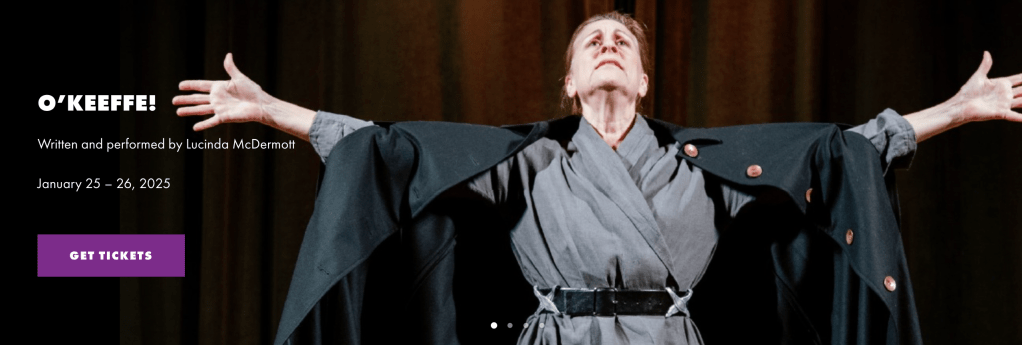
Lucinda McDermott performs in her one-woman play “O’Keeffe Jan. 25-26, 2025 at Richmond Triangle Players theater. Ticket information and time is here.
Reviews of Lucinda’s stage portrayal of Georgia O’Keeffe:
“McDermott’s one-woman play gets to the very heart of one of the enduring questions surrounding the art and life of Georgia O’Keeffe: how much credit does Alfred Stieglitz deserve for the critical and commercial success of his foremost protégé? It is a question that McDermott has O’Keeffe pose from beyond the grave, with all the insight and wit of a woman brought truly to life, both as an artist and as a captivating personality.” -Ariel Plotek, Curator of the Georgia O’Keeffe Museum
Georgia O’Keeffe has summoned an audience to help answer the question, “Was it me or was it Stieglitz?” We journey with O’Keeffe from 1915 when she tears up her work to date, and starts over in black and white to discover her own style. She revisits key moments in her life to reveal hidden truths, but the shadow of manager and husband Alfred Stieglitz looms heavy over her. Was it his nude photographs of her that enticed the art world to her, or was it her own excellence of craft? Would she have been noticed if he hadn’t exhibited her? Georgia rejects claims by the male dominated art world about what drives her art, but when a Stieglitz affair gets too intense, and a very public commission collapses, her world falls apart. Georgia rallies, determined to survive and paint again, but some difficult decisions must be made. In the end, the truth that lies deep in Georgia’s heart is revealed— and it’s as devastating as it is honest. O’Keeffe! is a revealing critically acclaimed drama about the beloved and complex American icon.
*Newly Revised Script and production* Written and performed by Lucinda McDermott. Directed by Jan Powell with soundscape by Jon Piro.
“Powerful, funny, emotional, dramatic and very high quality. . .The audience was riveted to every word from beginning to end and gave Ms. McDermott a well-earned standing ovation! . . .Ms. McDermott established a connection with audience members right from the beginning and kept them in the palm of her hand for the entire show. . . . The emotional and the ultimately uplifting performance left a lasting impression on our community! . . .Ms. McDermott arrived early for load in and rehearsal and her set up was very smooth. Minimal set & props enhanced the actor’s storytelling without distracting from her work. She was very specific about her technical requirements, but also flexible to work with. I would encourage any venue to book this performance!”
-Elizabeth Bracey, Managing Director, Franklin Performing Arts Center
Concert/Performance Description
“O’Keeffe!” is designed to be presented in a variety of settings ranging from state-of-the-art theatres to galleries or other open spaces. Preference is for a professional sound system with stage lighting, however, we can be flexible in most circumstances. Please contact artist for specifics.
Recent history and future community-building will be the focus of VCU Libraries’ annual Black History Lecture Feb 4, 2025, “Building a Home for Change: The Obama Presidential Center.”
The Center’s Curator of Collections and Exhibitions, Dr. Crystal M. Moten, will provide an overview of the Obama Presidential Center focusing on the center’s museum exhibits. She will: explore the ways the exhibits are rooted in a larger, complex discussion about democracy; highlight the historical predecessors who made President and Mrs. Obama’s stories possible; and share the museum’s storytelling goals as they relate to the events, policies, challenges and accomplishments of the Obama Presidency. In harnessing the power of storytelling, the Center hopes to inspire all of its visitors to push for change within their own communities.
The Obama Presidential Center (OPC) will open in Chicago in spring 2026. Set in historic Jackson Park, in the heart of the city’s south side, the center spans 19 acres and will feature a fruit and vegetable garden; an athletic, programs, and events facility; a world-class museum; an auditorium; a branch of the Chicago Public Library; and more.
The Center, through its mission, museum and programs, will be a physical demonstration of how making change at home is the most meaningful way to participate in democracy and impact the world.
The speaker is a public historian, curator and writer who focuses on the intersection of race, class and gender to uncover the hidden histories of Black people in the Midwest. In 2022, Moten joined the Obama Foundation as the inaugural Curator of Collections and Exhibitions on the Presidential Center Museum team. She plays a key role in the collaborative effort to complete the design and implementation of the inaugural exhibits while also serving as the primary steward and subject matter expert of the Obama Foundation Museum Collection. Moten supervises and manages the curatorial team and its activities.
She has been researching African American life, history, culture, politics and work for nearly two decades and sees her work at the Obama Center as a “culminating moment in terms of bringing together the personal, professional, and the intellectual.”
In an online interview, Moten put the project in perspective:
“For the Obama Presidential Center, we really want people to understand that it was a collective set of actions that got President Obama to where he is today. We are telling the story and the history of President Obama becoming the nation’s first Black president. We are explaining the buildup that happened way before 2008, focusing on what led to President Obama’s historic victory, diving into the eight years of his administration, the pushback and the obstruction that happens at the end of his administration, and civic action that empowers everyone to engage in democracy.
“We want to show that together we can create the change we desire. All of our small actions added together is what moves the mountain. What history tells us is that change takes time. And I think that’s what the Presidential Center also shows. The way in which we agitate for change and the time that it takes, it’s not going to happen immediately. It didn’t happen over eight years. There’s still work to be done.”
Prior to joining the Obama Foundation, Moten served as Curator of African American History in the Division of Work and Industry at the Smithsonian National Museum of American History in Washington, DC. There, she stewarded collections as they related to the history of African Americans in business and labor; collaborated on several exhibitions; wrote for the Museum’s blog; and helped start, produce, and host “Collected,” a Smithsonian Podcast on African American History. She also reviewed and appeared on documentaries for the Smithsonian Channel including, She the People: Votes for Women.
The recipient of numerous awards and honors, Moten has taught at colleges and universities across the country including the University of Wisconsin, Milwaukee; Dickinson College; Macalester College; and American University. Her research has appeared in books, journals, documentaries and other media.
A lifetime member of the Association of Black Women Historians, she serves on the Board of Directors for the Midwestern History Association and the Labor and Working Class History Association; the Executive Committee of the Association for the Study of African American Life and History; as well as the Board of Editors for the American Historical Review.
Her most recent, award-winning book is Continually Working: Black Women, Community Intellectualism and Economic Justice in Postwar Milwaukee (Vanderbilt University Press, 2023).
She studied African American Studies and anthropology at Washington University in St. Louis and received a master’s degree in African-American Studies and a doctorate in history from the University of Wisconsin Madison.
Registration is now open. The lecture is free and open to all. Seating is limited. The lecture will be held at James Branch Cabell Library at 7 p.m. Feb. 4, 2025.
VCU Libraries’ Black History Month Lecture is supported by the Francis M. Foster Fund. [https://www.support.vcu.edu/give/fund?fund=4924] Francis Merrill Foster Sr., DDS, was an assistant professor of general-practice dentistry at Virginia Commonwealth University and a retired Richmond dentist. The unofficial historian of Jackson Ward, Foster was known for his health-care advocacy and for his desire to improve the lives of those around him.
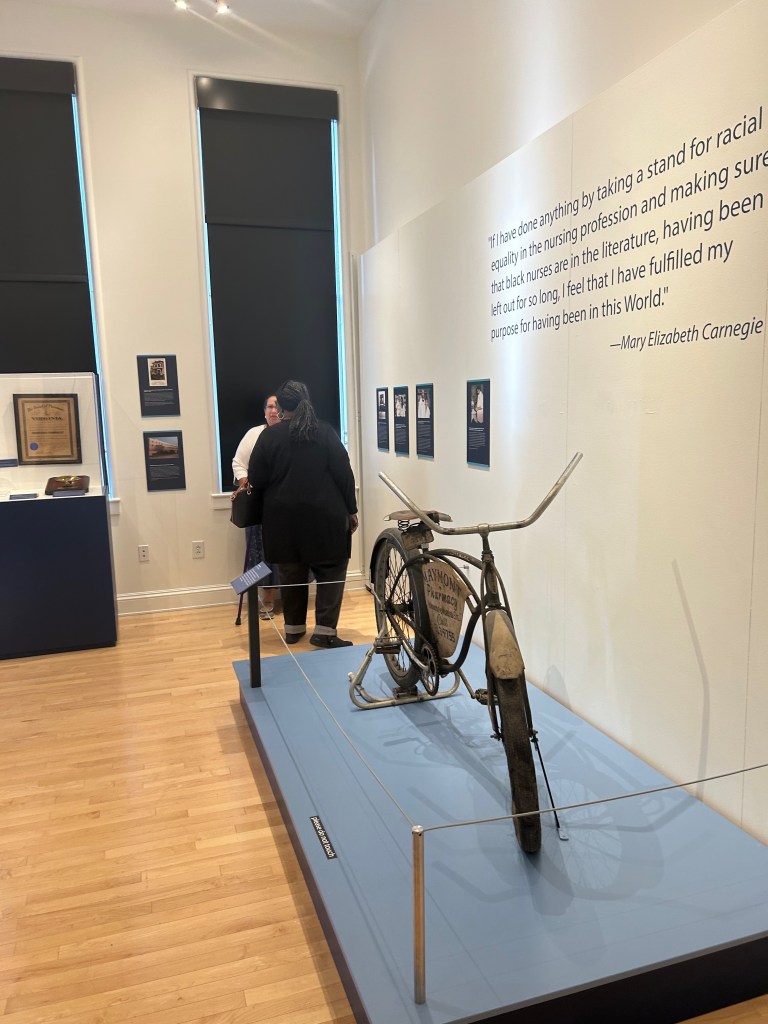
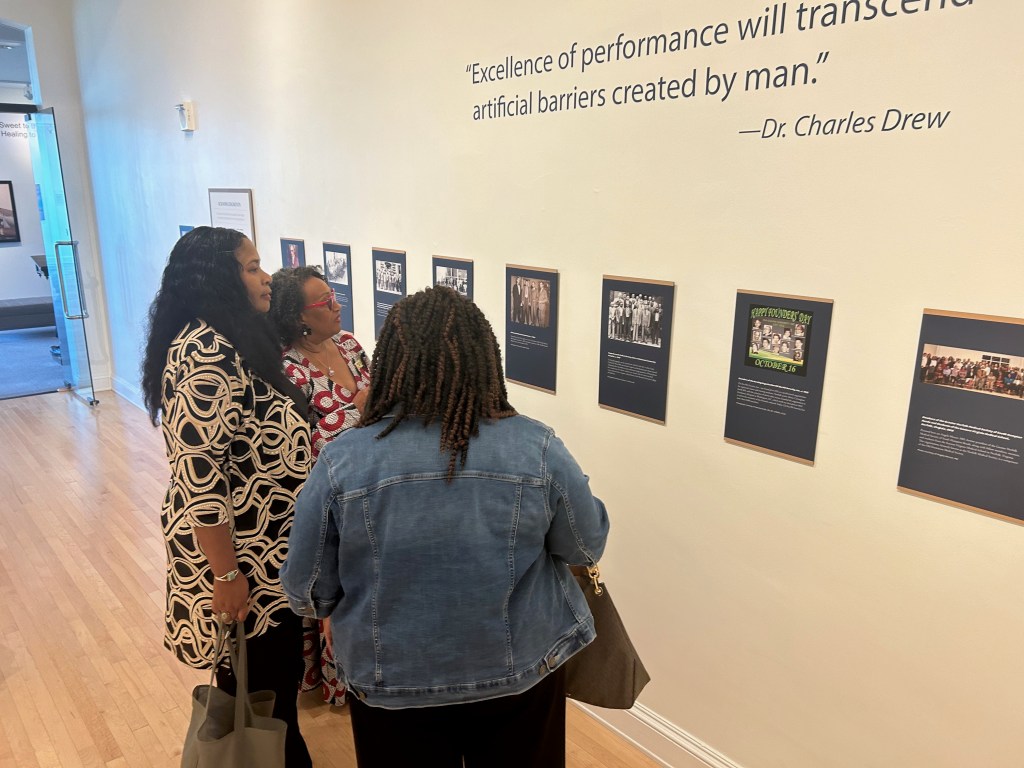
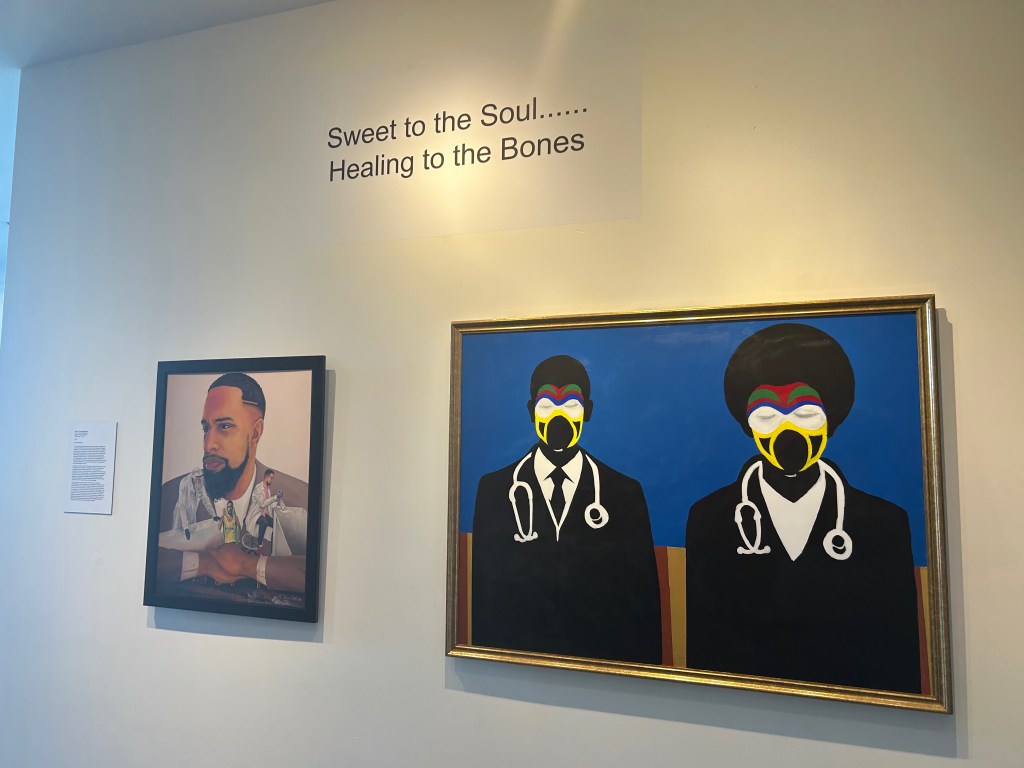
Visitors discuss the contributions of Blacks in the medical professions recently at the Black History Museum and Cultural Center of Virginia.Photos by Bonnie Newman Davis.
A landmark exhibition that chronicles Virginia’s Black hospitals, medical educators, physicians, pharmacists and professional organizations opened Sept. 18, 2024 at the Black History Museum and Cultural Center of Virginia in Richmond, Virginia.
“A Prescription for Change: How Black Voices Shaped Healthcare in Virginia,” was created and curated by Elvatrice Parker Belsches, B.A., B.S. Pharm, M.A., and features powerful vintage photographs, with accompanying text, of 1919 graduates of the Dixie Hospital Training School for Nurses at Hampton Institute (now Hampton University). Also part of the exhibit is a 1915 group photograph that includes members of the Tri-State Dental Society Conference and founding members of Chi Eta Phi Sorority, a national nursing organization, which had a chapter in Richmond.
The exhibition also showcases rare photos of hospitals created by Black professionals and individuals in the Commonwealth of Virginia. Of notable significance are rare artifacts such as the scales and weights used by Dr. David A. Ferguson, D.D.S., the founding father of the National Dental Association and two dental instruments that reportedly belonged to Dr. Peter B. Ramsey, who began practicing dentistry in the 1880s. There are medical instruments and cabinets from The Claytor Clinic in Roanoke, Virginia. This clinic is believed to be the first multi-specialty clinic in Southwest Virginia that was founded and staffed by Black medical practitioners when it opened in 1948.
Elvatrice Belsches, middle, points to highlights of the exhibit, “A Prescription for Change: How Black Voices Shaped Healthcare in Virginia,” that currently is on view through March 15, 2025 at the Black History Museum and Cultural Center of Virginia in Richmond, Va. Ms. Belsches, a public historian, is the exhibit’s creator and curator.)
The exhibition is divided into eight sections:
*The Early Years
*Education
*Physicians, Optometrists and Chiropractors
*Dentists
*Pharmacy
*Nurses, Midwifery and Doulas
*The Black Hospital Movement
*Organizations
Included in the exhibit are works by 14 artists, exploring physical, emotional, psychological, and historical aspects of healthcare disparities faced by Black patients. Participating artists include P. Muzi Branch, S. Ross Browne, Unicia Buster, Kyle Epps, A. Yhayha Hargrove, Barbara Hobson, William E. Johnson, Jowarnise, David Marion, Amiri Richardson Keys, Jay Sharp, Jeff Taylor, Sir James Thornhill, Dennis Winston, and Vashti Woods. Each artist brings a unique perspective to this critical dialogue, creating a multifaceted narrative that challenges viewers to confront uncomfortable truths and envision a more equitable future in healthcare.
Where: The Black History Museum and Cultural Center of Virginia, 122 W. Leigh St., Richmond, Virginia 23219. The exhibit continues through March 15, 2025.
SAVE THE DATE: Nov. 2, 9:30 am to 3:30 pm., Cumberland, Va.
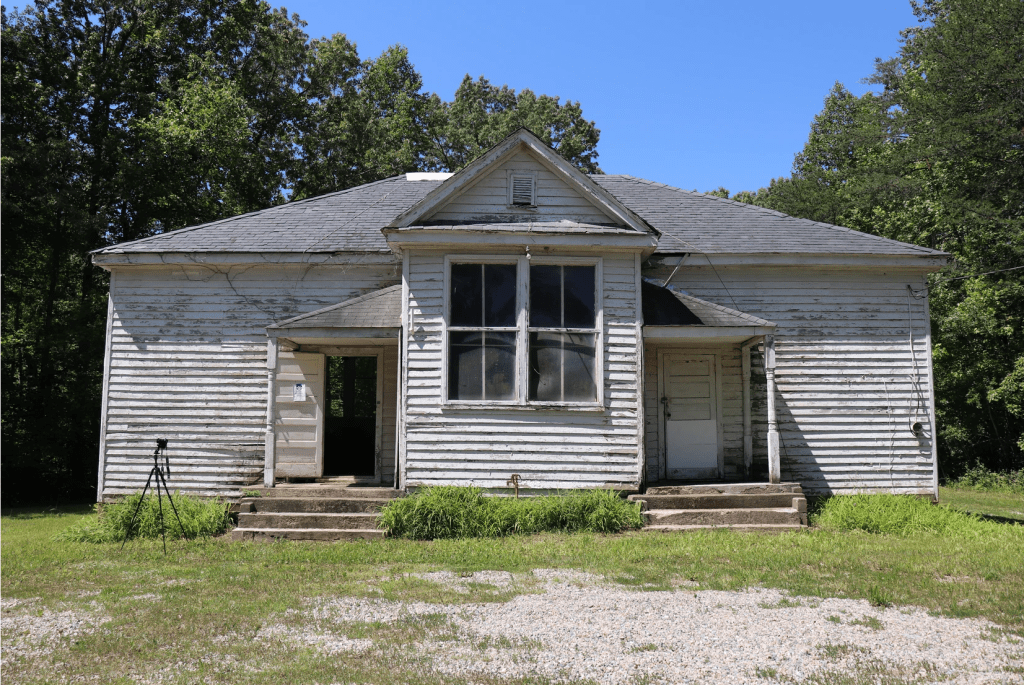
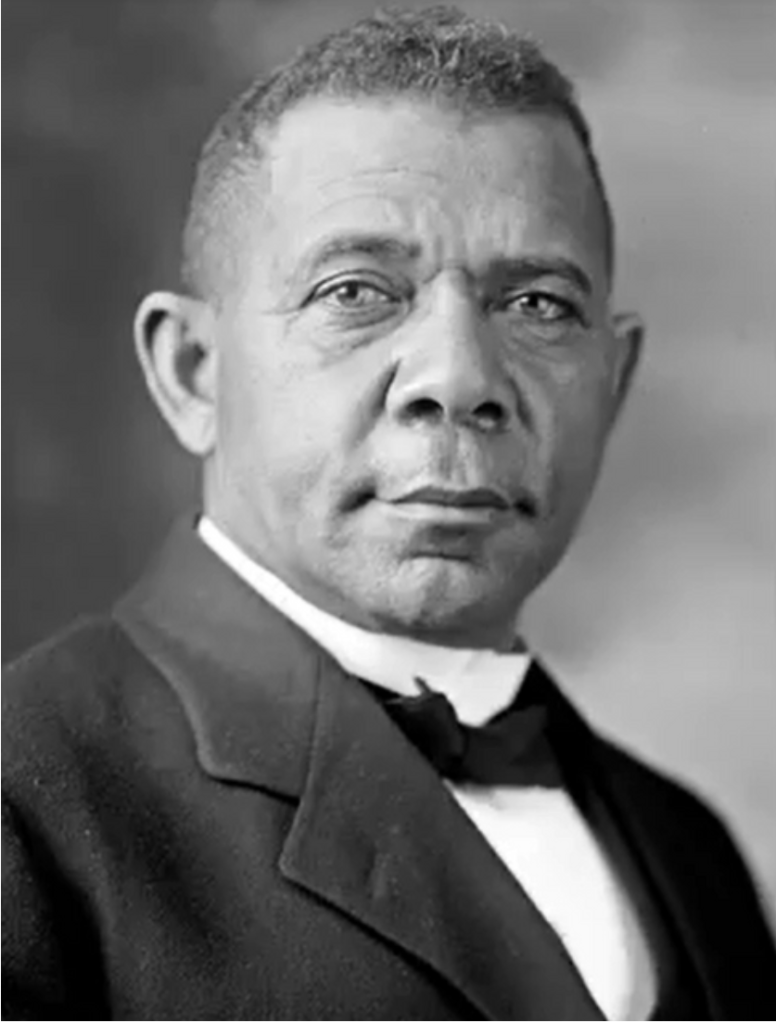
Tuskegee Rosenwald Pine Grove School. Photo Courtesy AMMD Pine Grove Project.Dr. Booker T. Washington. Photo Courtesy AMMD Pine Grove Project.Former students, Tuskegee Rosenwald Pine Grove School. Photo Courtesy AMMD Pine Grove Project.
The AMMD Pine Grove Project will celebrate the completion of the NPS African American Civil Rights grant-funded stabilization construction work at the historic Tuskegee Rosenwald Pine Grove School, 267 Pinegrove Rd, Cumberland, Va 23040 with a Walk A Mile In Their Shoes Heritage Walk-a-Thon and Schoolyard Jamboree. The celebration will take place at the historic site on Saturday, November 2, 2024, from 9:30 am to 3:30 pm.
Attendees will relive history by walking the same route as many of the students who attended Pine Grove, through storytelling by Pine Grove alumni, and reenactments of schoolyard games, and of a typical day at Pine Grove School. Over 100 years ago, philanthropist Julius Rosenwald and founding president of Tuskegee Institute, Dr. Booker T. Washington met to address the lack of schools to educate Black children in the segregated South.
From this collaboration, the Rosenwald Fund and the Rural Community Schools building program were formed, and over 5000 schools were built in Black communities from 1913-1934. Pine Grove School, built in 1917, afforded generations of Black students living in the Pine Grove community a quality education from 1917 to 1964.
The AMMD (Agee, Miller, Mayo, Dungy) Pine Grove Project is collaborating with community members and partners to preserve this significant historic resource in Cumberland County. The AMMD Pine Grove Project is a 501c3 tax exempt grassroots organization that continues to support the educational legacy of its founders and preserves the cultural heritage of the school and community. For information, contact: Sonja Branch-Wilson and Cheryl Belt-Jackson.
Courtesy: Salamander Collections Communications Team
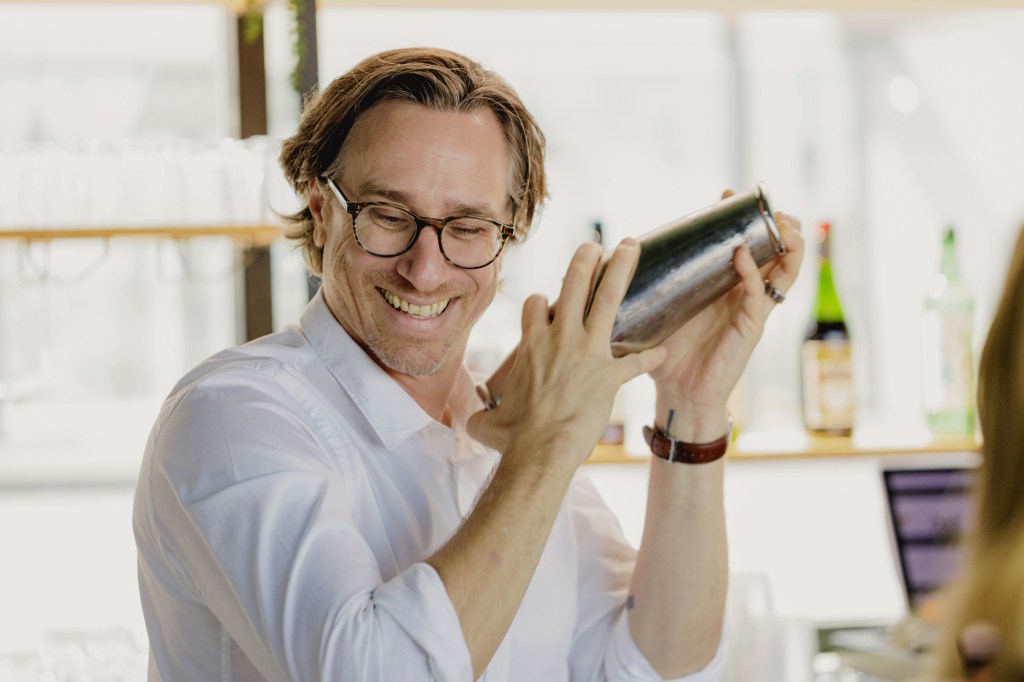
WASHINGTON, DC (July 25, 2024) – Dōgon by Kwame Onwuachi has partnered with nationally acclaimed mixologist Derek Brown to create its craft cocktail program. Brown is developing a series of signature drinks for the highly anticipated restaurant, which is scheduled to open late summer at Salamander Washington DC.
The announcement marks a double homecoming with Onwuachi returning to the nation’s capital for a culinary experience inspired by DC Surveyor Benjamin Banneker and his heritage to the West African Dogon tribe, while DC native Brown showcases his skills in the District for the first time since closing his famed Columbia Room bar in 2017. Pronounced “Doh-gon,” the restaurant will serve vibrant cuisine through an Afro-Caribbean lens and draw from Onwuachi’s unique Nigerian, Jamaican, Trinidadian and Creole background.
In addition to complementing the cuisine, DC’s heritage and Banneker’s inspiration, Brown and Onwuachi have collaborated to create a cocktail program that highlights Black- owned spirits and drinks. “I am so excited to finally collaborate with the great Derek Brown and tap him to create Dōgon’s cocktail program,” said Onwuachi. “Derek is celebrated for his ability to create drinks that combine seasonal ingredients, classic mixes and attention to craftsmanship. I can’t wait for people to pair his creations with Dōgon’s cuisine and celebrate all the cultures within DC’s four quadrants.”
Brown’s name is synonymous with exquisite cocktails and great drinking establishments in the nation’s capital. In addition to the Columbia Room, he also co-owned The Passenger, Mockingbird Hill, Eat the Rich, and Southern Efficiency, and was named Bartender of the Year by Imbibe magazine. Well-respected across the nation, he worked to help pass a proclamation with DC City Council to name the Rickey as the official cocktail of Washington, DC.
Brown is the founder of Positive Damage, Inc., a company dedicated to creating a culture of mindful drinking and making room for everyone at the bar, and was the Chief Spirits Advisor for the National Archives Foundation from 2015-2020. In 2019, (with Robert Yule) Brown published Spirits Sugar Water Bitters, and in 2022, he published Mindful Mixology: A Comprehensive Guide to No- and Low-Alcohol Cocktails with 60 Recipes, an outgrowth of his work advocating for mindful drinking by both workers and patrons in bars.
“I’ve been a huge fan of Kwame’s since his very first restaurant, which was located close to me in the Shaw neighborhood of DC,” said Brown. “For Dōgon, I took a backseat and listened to his vision so I could create a seamless experience. The quality of his food has driven my direction and I tried to utilize aspects of his culinary style alongside our shared love of Washington, DC.”
In addition to traditional bar seating, Dōgon will also feature a relaxing lounge in which guests can enjoy a drink and a full dining menu. Brown’s program will feature selections that are one-third high alcohol, one-third low alcohol and one-third no alcohol.
While the rest of the selections will be unveiled when the restaurant opens, a few notable creations include:
● Flower Pot Punch
According to Brown, this under-recognized classic cocktail was invented at the famed pre-Prohibition Hancock’s in DC by Black bartenders who historian Charles Wheeler noted practiced a “lost art.” While there is no known recipe from which to work, Brown features ingredients thought to be used including Ten-to-One Rum, fresh lemon and lime, Cane Collective Caribbean Spiced Pineapple Syrup and El Guapo Cajun Grenadine.
● Astronomer
Named in honor of Benjamin Banneker, whose brilliance in astronomy and mathematics led to his surveying the territory which became the District of Columbia, this non-alcoholic drink features Calabash Jasmine Jones Tea from the Black-owned tea house Calabash Tea & Tonic, also formerly in Shaw.
Additionally, it includes fresh lemon, El Guapo Creole Orgeat, Aquafaba and All the Bitter Lavender Bitters. Dōgon will be Onwuachi’s second restaurant opening in two years, following his highly acclaimed Tatiana in New York City. For the second year in a row, Tatiana was named the city’s best restaurant by the New York Times and rated one of the best new restaurants of the year by Esquire.
Forbes called it more than a restaurant and the “future of fine dining.” Onwuachi has also been a contestant and a judge on Bravo’s Top Chef. In 2019, he was acclaimed by Esquire as its Chef of the Year, recognized by FOOD & WINE as one of its Best New Chefs, and named by the James Beard Foundation as “Rising Star Chef of the Year.”
Dōgon’s opening brings Onwuachi together again with Sheila Johnson, founder and CEO of Salamander Collection, with whom he has built a special relationship. The pair created The Family Reunion, which has quickly become the premier gathering of culinary professionals of color in the country and takes place each August at Johnson’s Five-Star Salamander Middleburg resort in Virginia. Salamander Collection was voted Best Luxury Hotel Brand by readers of USA TODAY and is the largest Black-owned luxury hotel company in the United States. The launch of Dōgon is part of an overall property redesign at Salamander Washington DC, creating a warm and welcoming environment for which the company is renowned.
The enhancement project will showcase a brighter and more residential design, and include striking indoor and outdoor gathering spaces, an expanded two-story spa and modernly refreshed guest suites designed by Thomas Pheasant.
An exact opening date for Dōgon will be announced in the coming weeks. In the meantime, diners and those interested in exploring employment opportunities can sign up to receive updates at www.DogonDC.com and also follow on Instagram at @DogonDC.
HIRING EVENT
Dōgon is now hiring numerous positions ranging from hosts to line cooks, servers and executive positions. It will hold a hiring event on Saturday, July 27, the details of which are below.
● Date: Saturday, July 27 – Open to Public
● Time: 10:00 a.m. – 2:00 p.m.
● Location: Salamander Washington DC – Philips Room To RSVP in advance for the hiring event, e-mail Jasmine Alexander at jalexander@salamanderdc.com.
Salamander Collection is privately owned and operated, and based in Middleburg, VA, just outside Washington, DC. Founded by entrepreneur Sheila Johnson, it has a luxury portfolio featuring the Forbes Five-Star Salamander Middleburg, an equestrian-inspired property in the Virginia countryside; Salamander Washington DC, an elegant hotel located along the capital’s vibrant Southwest waterfront; Half Moon, the storied resort in Montego Bay, Jamaica, featuring three distinct experiences including the acclaimed Eclipse; Aspen Meadows Resort, which features sweeping views on 40 beautiful acres in Aspen, CO’s west end and newly renovated Herbert Bayer-inspired accommodations and arrival experience; Hotel Bennett, a spectacular grand hotel in Charleston, SC, overlooking the city’s historic Marion Square; and Innisbrook Resort in the St. Petersburg/Clearwater area, which hosts the PGA TOUR’s Valspar Championship each year on its famed Copperhead Course. www.SalamanderHotels.com.
Public Relations-Salamander DC+Salamander Middleburg – Maurisa Potts, maurisa@spottedmp.com
Matt Owen, Vice President, Communications, mowen@salamanderhotels.com
Marita Golden and Itoro Bassey will discuss the often difficult and sometimes taboo topics that can haunt and threaten to derail a writer’s work and life:
How to live with and learn from rejection
How to find your authentic voice
How to define success on your own terms
How not to be derailed by competition.
How to create a supportive community with other writers
The importance of rest and practices that support emotional balance and well-being.
Marita Golden is the award-winning author of over 20 works of fiction and nonfiction, a veteran teacher of writing, and co-founder of the Hurston/Wright Foundation.
Itoro Bassey is a Nigerian-American author and journalist based in Washington, D.C. She is an award-winning short story writer, and her debut novel Faith was published in 2022 by Malarkey Books.
FILM
ART
Dawoud Bey: Elegy
Courtesy VMFA
Through Feb. 25 2024
Lower Level: Altria Group Gallery, NewMarket Gallery, Virginia Museum of Fine Arts, Richmond, Va.
Mesmerizing and evocative, these 42 photographs and two film installations by contemporary American artist Dawoud Bey contemplate the harrowing journeys and human realities of the Virginia slave trail, Louisiana plantations, and Ohio’s Underground Railroad. Dawoud Bey: Elegy premieres a trilogy that includes Bey’s most recent series of never-before-seen photographs taken in Richmond and commissioned by VMFA. Internationally renowned for his Harlem street scenes and expressive portraits, Bey, in these landscapes, meditates on place as profound repository of memory and witness to American history. In this immersive and transportive exhibition, his works poetically imply a human presence, deepening our understanding of African American experiences rarely represented in collective US history.
Organized by the Virginia Museum of Fine Arts and curated by Valerie Cassel Oliver, Sydney and Frances Lewis Family Curator of Modern and Contemporary Art, Dawoud Bey: Elegy showcases three photographic series. Visitors will first encounter Stony the Road, commissioned by VMFA, which takes viewers to the historic trail in Richmond, Virginia, where Africans arrived in bondage to an unknown land and were walked into enslavement. The photographs in In This Here Place contemplate the plantations of Louisiana and the toils and horrors of enslavement. Photographed in Ohio, Night Coming Tenderly,Black elucidates our understanding of the Underground Railroad and the perilous flight to self-emancipation.
The first film installation, 350,000, evokes the 350,000+ men, women, and children sold from Richmond’s auction blocks at Manchester Docks between 1830 and 1860. The film’s soundtrack features Dr. E. Gaynell Sherrod, VCU professor of dance. Visitors will also experience Evergreen, a three-channel film installation created in collaboration with composer and experimental ethnographer Imani Uzuri, whose multilayered vocal score adds a haunting soundscape.
MUSEUMS
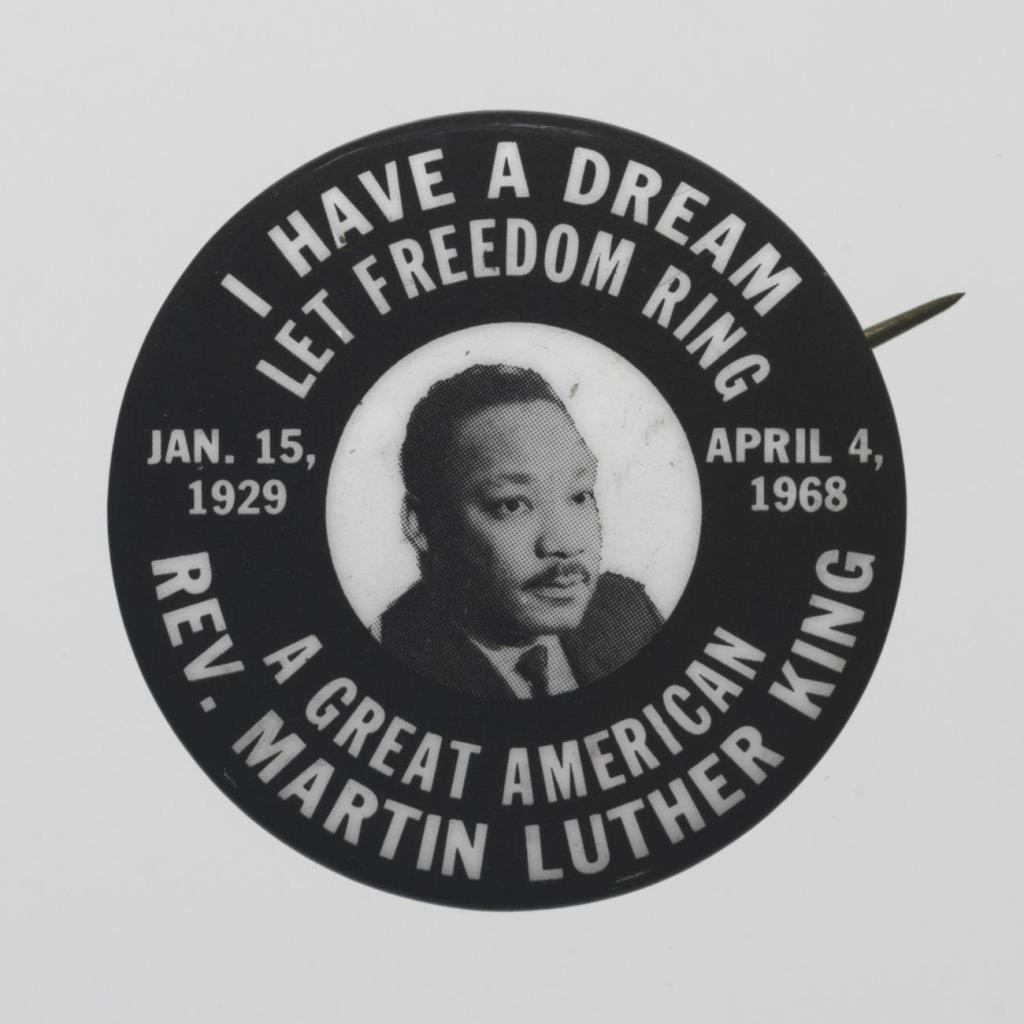
I Have a Dream
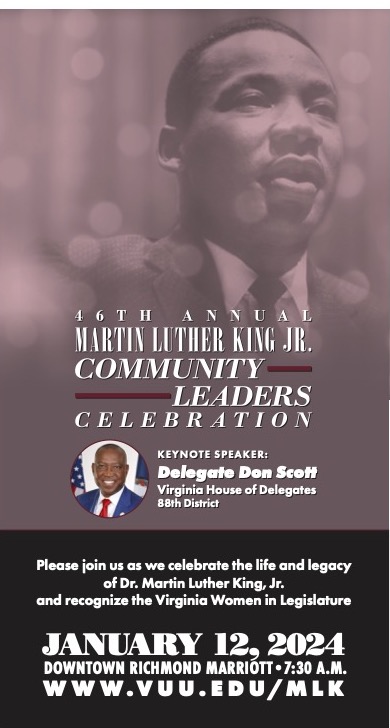
The Smithsonian’s National Museum of African American History and Culture (NMAAHC) celebrates Martin Luther King Jr.’s life and legacy with various educational opportunities throughout January. From in-person activities to online offerings, the museum commemorates King and the holiday surrounding his impact on the world. Beginning Jan. 8, 2024, King’s original “I Have a Dream” speech from the 1963 March on Washington for Jobs and Freedom, on loan from Villanova University, will be on display through March 4, 2024. For digital visitors looking to learn more about King online, a blog post highlighting surprising facts about King’s life is now available at nmaahc.si.edu/5thingsMLK.
Alongside the “I Have a Dream” speech on view are objects associated with King, including a Congressional Gold Medal awarded posthumously to him and Coretta Scott King in 2014, a laundry pail used by King during the march from Selma to Montgomery and 1956 handbill advertising a prayer meeting with King at a Boston church.
On Monday, Jan. 8, 2024, the museum welcomes author Jonathan Eig for a special event to discuss his biography King: A Life in the Oprah Winfrey Theater and streaming online. The event “The People’s Holiday: The Many Dreams of Dr. Martin Luther King, Jr.” Monday, Jan. 15, reinterprets the life and work of King through powerful performances by students from Duke Ellington School of the Arts.
From Jan. 12 to Jan. 15, 2024, the museum’s Sweet Home Café will celebrate the holiday with a special menu featuring a selection of King’s most-liked dishes, including ribs, collard greens and a chocolate bourbon pecan pie. For more details, visit the Sweet Home Café website. Entry to the museum includes access to the café, and special Dine and Shop passes are available for access to the café and museum store only.
In observance of the holiday, the museum will remain open during its regular operating hours from 10 a.m. to 5:30 p.m. Advanced and same-day free timed-entry passes are available online.
MUSIC & THEATER
Hell’s Kitchen
Courtesy Broadway.com
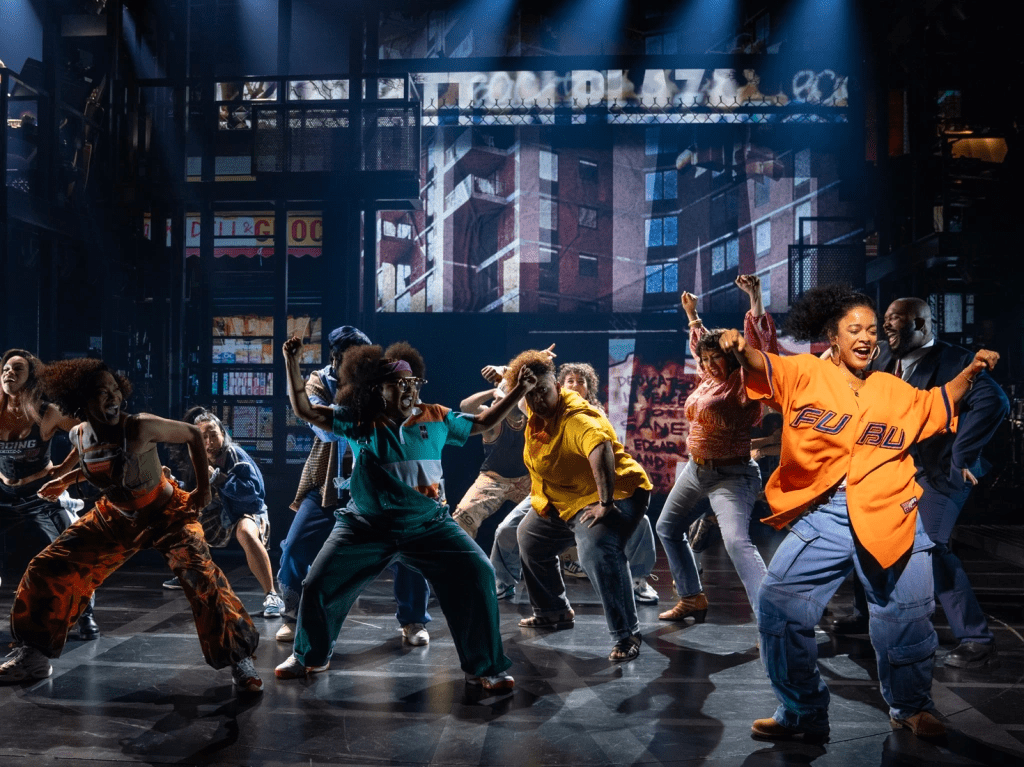
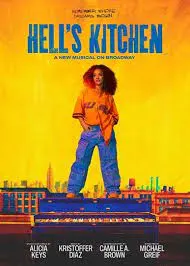
Kitchen, a new musical with music and lyrics by Grammy Award-winning singer-songwriter and pianist Alicia Keys, is coming to Broadway. The musical, inspired by Keys’ experiences growing up in the New York City neighborhood, will begin performances on March 28, 2024 at the Shubert Theatre, with an official opening set for April 20.
The show, which made its world premiere off-Broadway at the Public Theater this fall—in a run that continues until January 14— features a book by Pulitzer Prize finalist Kristoffer Diaz, music supervision by Emmy and Grammy Award winner Adam Blackstone, music consulting by two-time Tony and Emmy winner Tom Kitt and choreography by Tony Award nominee Camille A. Brown. It is directed by Tony Award nominee Michael Greif.
“Good things take time and, for 13 years, I’ve been dreaming, developing and finding inspiration for a musical based on my experience growing up in Hell’s Kitchen, NYC,” said Keys in a statement. “Hell’s Kitchen is inspired by my life, but it’s not a biographical story. It’s a story about family relationships and identity: Who are we? Who do we want to be? Who are we becoming?”
Keys continued, “The score features new songs that I’m really excited to get out into the world alongside many of my album releases that you know but you’ve never heard like this—rearranged and reinterpreted. I’m honored to be a part of this Broadway season with so much incredible talent and great stories. I grew up with musical theater and have so many memories of standing on line at TKTS to see shows like Miss Saigon and Rent. For me, Hell’s Kitchen is also a New York story of finding your dreams and for me, this musical coming to Broadway is the embodiment of that idea. I’ve learned so much from the experience and the collaboration with Michael Greif, Camille A. Brown, Kristoffer Diaz and Adam Blackstone. I love and respect the art form so much and I’m excited to see it come to Broadway.”
Keys was born Alicia Augello Cook in Hell’s Kitchen in 1981. Growing up in the neighborhood, she carried around a homemade knife, but was also immersed in the music of Thelonious Monk, Billie Holiday and Louis Armstrong at home. Her Italian-American mother enrolled her in classical piano lessons at the age of seven, and she wrote her first song a few years later.
Hell’s Kitchen features sets by Robert Brill, costumes by Dede Ayite, lighting by Natasha Katz, sound design by Gareth Owen, projection design by Peter Nigrini and hair and wig design by Mia Neal.
The cast of the Broadway production is yet to be announced. The cast of the Public Theater production includes Shoshana Bean, Chad Carstarphen, Brandon Victor Dixon, Vanessa Ferguson, Crystal Monee Hall, Jakeim Hart, Chris Lee, Jackie Leon, Kecia Lewis, Maleah Joi Moon, Mariand Torres and Lamont Walker II.














 BND Institute of Media & Culture