How Virginia Is Preserving Its Hip-Hop History

Vaughan Moss, cofounder the Virginia Hip-Hop Foundation, says the genre is still unfolding

Hip-Hop Celebration and Awareness Day last August coincided with the one-year anniversary of the Virginia Hip-Hop Foundation and the release of VHHF’s Vol. 2 bi-monthly playlist spotlighting the depth, diversity and creativity of Virginia’s hip-hop community.  

Founders Chauncey Jenkins, Linwood Johnson, Vaughan Moss and Ricky Parker set out with the mission to “celebrate Virginia’s historic global influence on Hip-Hop culture through storytelling, education and community engagement,” according to VHHF’s website.  “Hip-Hop is not simply music. It is architecture, design, language, fashion, theology, economics and political thought,” notes co-founder Ricky Parker, “It is a lived experience translated into political expression.”  
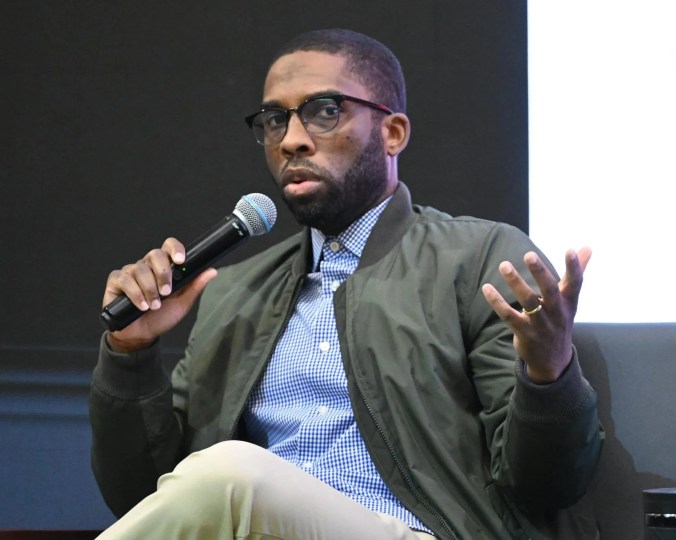
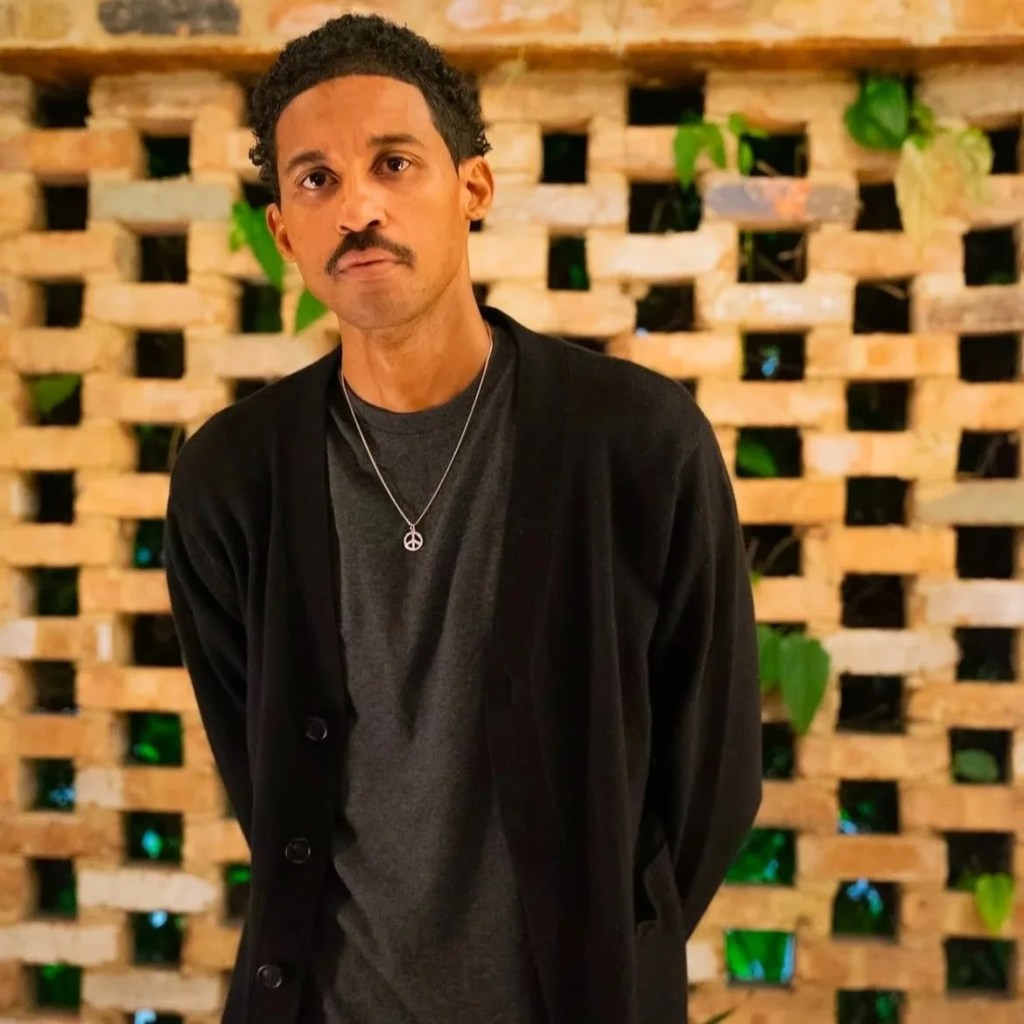
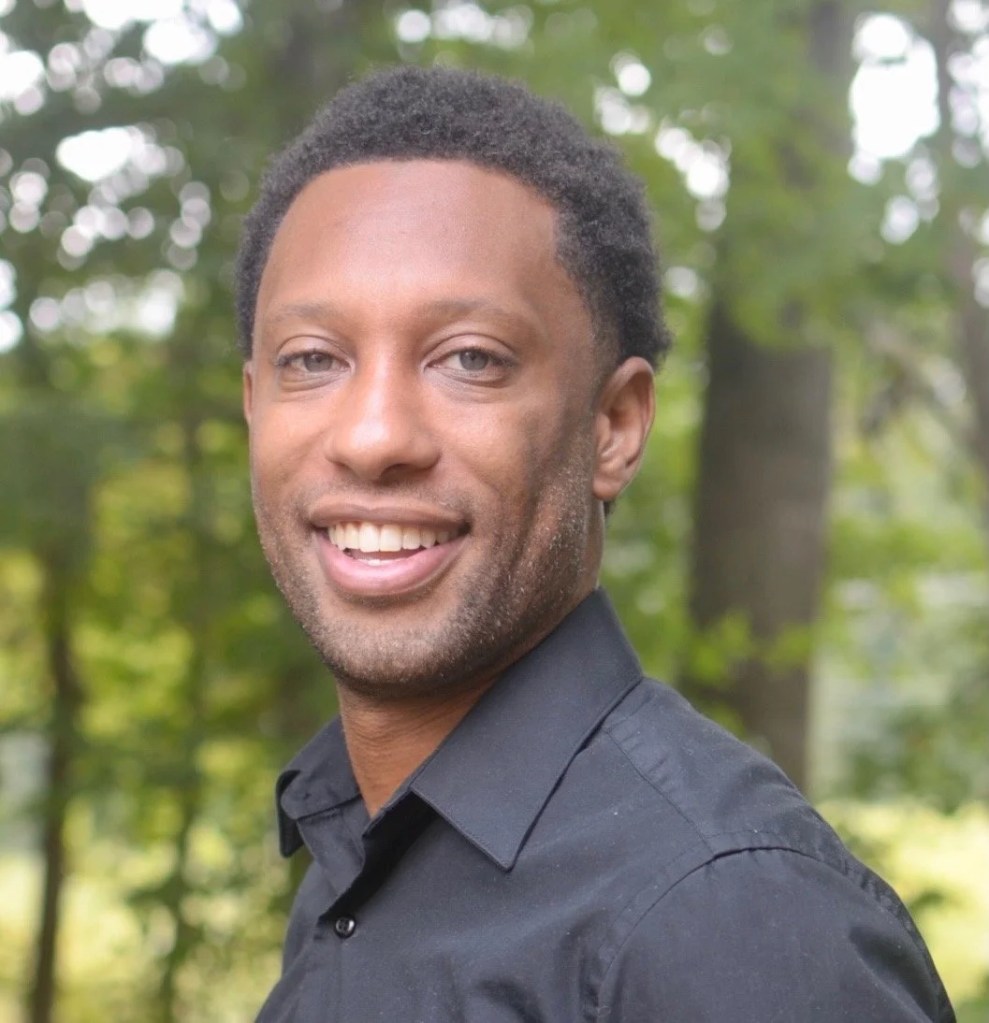
Vaughan Moss

So where is VHHF one year in, and where is it headed?  To learn more, we asked co-founder Vaughan Moss 10 questions to learn more.

BND: When did you realize that Virginia’s Hip-Hop history needed its own foundation and how did the four of you make that happen?

MOSS: All four of us were raised on Hip-Hop. Now as adults, we are still very much embedded in the culture of Hip-Hop, both personally and professionally.  Linwood and Ricky have both worked in the music industry and were developing a Hip-Hop studies program at Virginia Union University, Ricky’s alma mater.  In my career in sports marketing, I had always tried to incorporate Hip-Hop music in creative campaigns or invite Hip-Hop artists to attend games. Chauncey has been a talented rapper, musician, and cultural taste maker since high school. Linwood brought us all together with his idea that there should be a Virginia Hip-Hop themed museum exhibition somewhere in the state and we later created the Foundation as the vehicle to host events, engage the community, and build momentum for that exhibition which will hopefully open in 2030.
BND: Virginia has produced everyone from Missy Elliott and The Neptunes to Pusha T and Timbaland. What is it that makes Virginia’s Hip-Hop culture so uniquely influential?

MOSS: First, it’s the creativity that made them stand out. Especially Missy, Neptunes, and Timbaland. They were so different and uniquely themselves, and they created sounds no one had ever heard before.  Second is how the reach of their impact is magnified by the success they have had collaborating with so many other well-known artists across the world and across genres.  And that impact is even more amplified by the successful endeavors Virginia artists have conquered beyond music, fashion, entrepreneurship, movies, and more.

BND: What are some of the stories about Virginia Hip-Hop that you believe have been overlooked or misunderstood – the sort you most want the foundation to preserve from being lost?

MOSS: We are really happy to be supporting the work that journalist Landon Schroder and artist/producer Michael Millions are leading in creating the “Cosmic Echo” Documentary about Lonnie Liston Smith.  Lonnie is a legendary jazz artist who was born in Richmond in 1940. His songs have been sampled hundreds of times by Hip-Hop artists, including Jay-Z. This project is very aligned with our mission in two major ways. One, it shows how the story of Hip-Hop in Virginia is related to other genres, especially genres of Black music. Two, it connects the story of Hip-Hop in Virginia directly to some of the biggest artists in the culture in ways that many people, both inside and outside of the state, don’t realize.  

BND: The foundation’s mission is to go beyond mere celebration. Why is it important to treat hip-hop as history and scholarship, not just entertainment?

MOSS: I think we need to remind people that Hip-Hop music is an art form.  It is poetry. And rappers and lyricists don’t get the credit they deserve for being masters of literary devices in the same way that other talented writers do. And from a historical perspective, we want to show the world that Virginia has been making Hip-Hop history all along, but more specifically, we want to make sure the current and future generations of Virginia creatives know that so they can make more history.  Pharrell has a song called “You Can Do It Too” that means a lot to people from a specific generation of kids from Virginia that the four us belong to, and we want to do our part to make sure that message gets passed along.

BND: What have you as founders learned during the foundation’s first year that surprised you about Virginia’s hip-hop community?

MOSS: For me it is how much talent we have. Like, I knew there was talent, but I had been away (from Virginia). Before 2023 I hadn’t lived in Virginia full time since 2018. So I knew some of the names that had recent success, mostly from Richmond and some others I knew through Chauncey. But since being more present in the Hip-Hop community, both in Richmond and in the Hampton Roads area, I’ve connected with so many talented people, not just rappers, but DJs, producers, and other creative people who contribute to the culture in Virginia.

BND: The foundation is working toward establishing a museum-level exhibition. What would you want someone walking through that exhibit to understand about Virginia’s impact on global hip-hop?

MOSS: For Hip-Hop enthusiasts, we want them to learn more about Virginia’s story from a first-person narrative, to show how integral the state has been in trailblazing Hip-Hop in so many facets of the culture. I think the bigger opportunity for impact is connecting with people who aren’t as familiar with Hip-Hop but care about Virginia’s pivotal role throughout American history.  If we can successfully engage that group, they will leave the exhibition with an understanding that Hip-Hop History is Virginia History. 

BND: What role do oral history and personal stories play in preserving hip-hop culture, and how do you balance honoring Virginia’s pioneers with making sure current and future artists have a place in the story?

MOSS: It is very important to us that we amplify voices of the current Virginia artists as well as the legends.  We want to give them opportunities to tell their stories as a way to not only introduce themselves to the world but also give flowers and pay homage to the Virginia legends who inspired them. One way we do this is with a bi-monthly playlist we release with music only from Virginia artists.  With each playlist, we also interview one of the featured artists that we publish on our YouTube page.  This is part of our very intentional strategy to capture video content that can also be used in the exhibition.

BND: November is Hip-Hop History Month. What plans are in place?

MOSS: We are excited to have a few activations at Mostly Sugar Media’s “The Culture is Couture” Expo on Nov. 8 in Richmond.  Also, we are planning to support Hip-Hop Week at the University of Richmond.  We hope to announce our plans for November very soon.

BND: How can the wider community support your mission and help achieve your goals? MOSS:The easiest ways to support us are engaging with and sharing content, attending events, and making donations. Every little bit helps. 

BND: Ten years from now, what would have to be true for you to say, “We accomplished what we set out to do?”

MOSS: By no means are we expecting to tell the whole Virginia Hip-Hop story with this first exhibition. So, in 10 years, I think it would be great to have had the first iteration of the exhibition to have traveled to multiple museums across the state, with plans for part two of the exhibit close to being finalized.  

Learn more about the Virginia Hip-Hop Foundation here.
My Fall Flick Picks

‘Once Upon a Time in Harlem’ and ‘The 14th’

By Bonnie Newman Davis

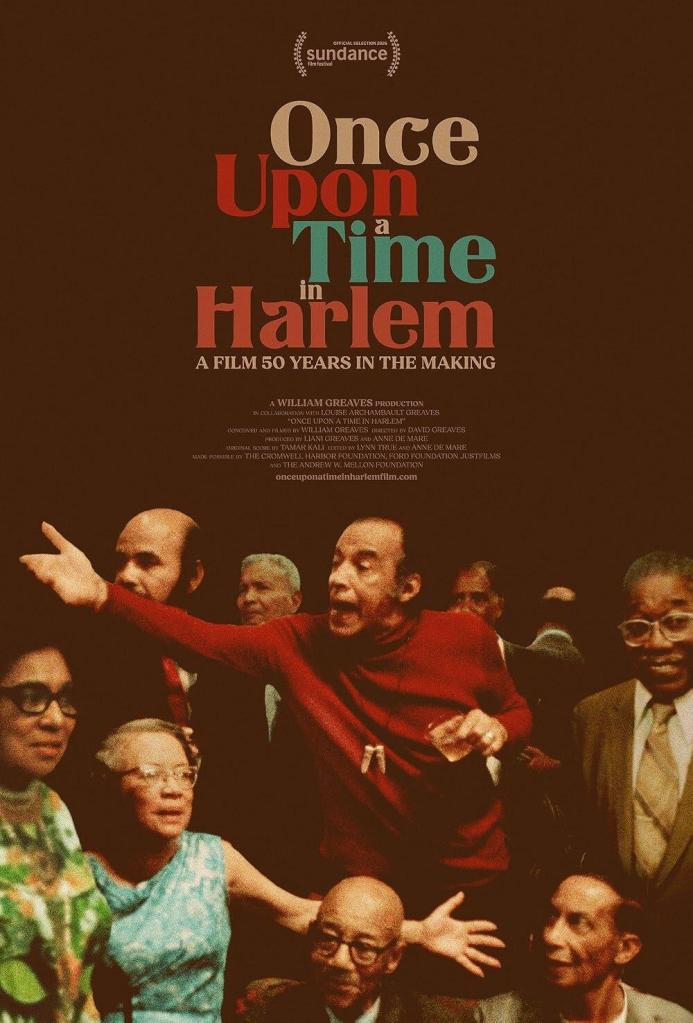
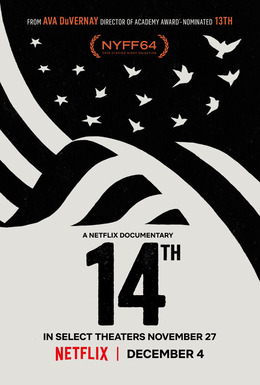
In the midst of fall film festivals in Charlottesville and Middleburg Va., I was excited to watch two new films: “Once Upon a Time in Harlem” and Ava Duvernay‘s new film “The 14th.” Both are riveting and packed with cultural and historical significance. I plan to see them again. The “Harlem” documentary was conceived and filmed by pioneering director William Greaves in 1972 and completed over 50 years later by his son, David Greaves.

Filmed over four hours in Duke Ellington’s Harlem townhouse, “Harlem” presents famous faces, names, wit, arguments, cocktails and so much smoke that it practically seeps through the screen. Just what one would expect back then in a space crammed with journalists and writers — notably Tom Poston, Gerri Major, Richard B. Moore — along with actors, musicians, artists and other luminaries such as Romare Bearden, Aaron Douglas, Richard Bruce Nugent, Eubie Blake, Arna Bontemps, James Van Der Zee, and Louise Thompson Patterson. My takeaway: The film is a gift to students of the Harlem Renaissance and for those who never heard of it.

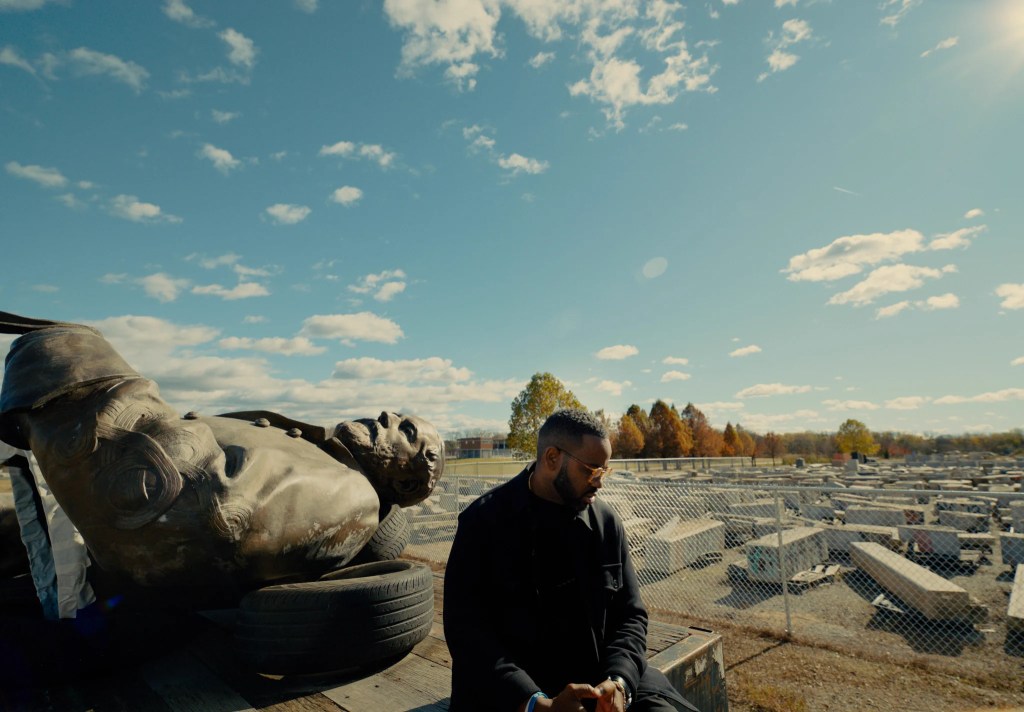
Devon Henry

Later, while viewing “The 14th”, I was stunned to see Devon Henry seated across the aisle from me! Mr. Henry, who is featured in the film, is founder of Team Henry Enterterprises. Besides his thriving business, Mr. Henry Devon Henry is also known for his company’s removal of Civil War statues and for his social activism. Ms. Duvernay’s film follows her conversations with scholars, politicians, and legal experts about the 14th Amendment. The film explores who gets to belong in America and the ongoing fight over birthright citizenship, according to IMDb.

My takeaway: While parts of “The 14th” are somewhat repetitive and an underscore in one scene plays James Brown’s “The Payback” longer and louder than I found necessary, Ava DuVernay once more delivers a powerful documentary that captures this country’s embattled course then and now.

See less

Becoming: The Work of Thornton Dial and Sanford Kogan at the Branch Museum

On View September 24 – December 16, 2026

Some objects stop being useful before they stop having meaning.

Becoming explores what happens next.

Through the work of Thornton Dial and Sanford Kogan, objects once valued for their utility are reimagined as works of art that ask us to look again. At first we recognize the object. Then we see what it can become. Together, their work suggests that nothing is ever truly finished. Every object carries a history and the possibility of becoming something new.

ABOUT THE ARTISTS

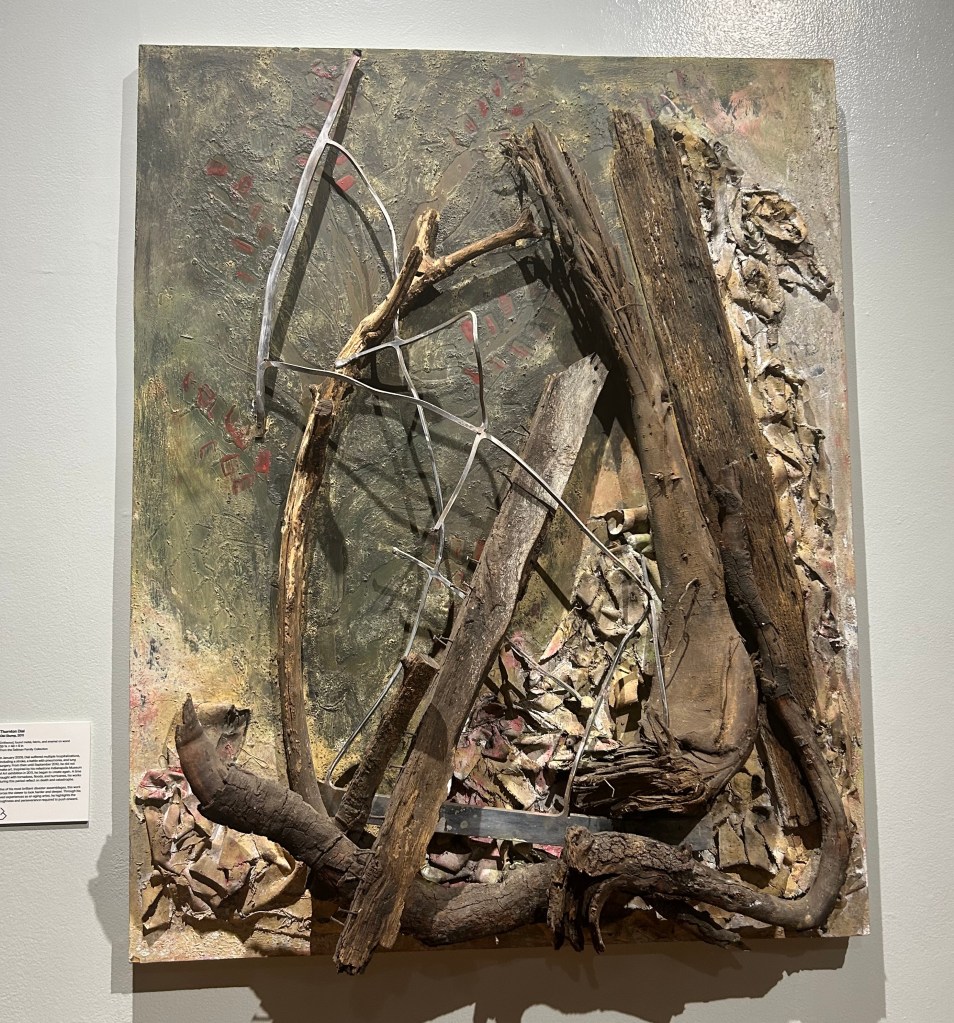
Thornton Dial is one of the most original American artists of the late 20th century. He was born into poverty and spent his life in the South, working without formal training and pulling his materials from what was around him: wire, cloth, salvaged metal, rope, carpet scraps. From those materials he built large-scale paintings and found-object sculptures, drawing on the symbolic vocabulary of the rural Black South. His work is held by the Metropolitan Museum of Art, the High, and the Smithsonian.

Sanford Kogan works in FroiDesign, the discipline of Found and Repurposed Objects of Industrial Design. His work centers on objects originally shaped by their utility – industrial and functional artifacts that he incorporates into sculptural compositions. Light also plays an active role. He treats light as a material, shaping it as deliberately as form and making it integral to the overall composition. His goal is to invert the original hierarchy, allowing what was once secondary to become primary, thereby revealing the quiet aesthetics of lost utility. His work has been shown in Berlin, Paris, and, more recently, Richmond, Virginia, where he now resides.

Thornton Dial

2501 Monument Avenue

Richmond, VA 23220

(804) 655-6055

frontdesk@branchmuseum.org

Hours

Tuesday–Saturday: 10:00 AM–5:00 PM

Sunday: 1:00–5:00 PM

Monday: Closed

Hours subject to change due to private rentals.


This project was supported, in part, by the Virginia Commission for the Arts, which receives support from the Virginia General Assembly.  Special thanks to Crux Scenica, Worth Higgins and Virginia Union University.

Visitor Notice: Please be aware that this exhibition features moving parts, bright flashing lights, and stroboscopic effects. These elements may not be suitable for visitors with photosensitive epilepsy, sensory sensitivities, or motion sickness.

Gatekeeping Justice with Biologist Beronda Montgomery, Ph.D.

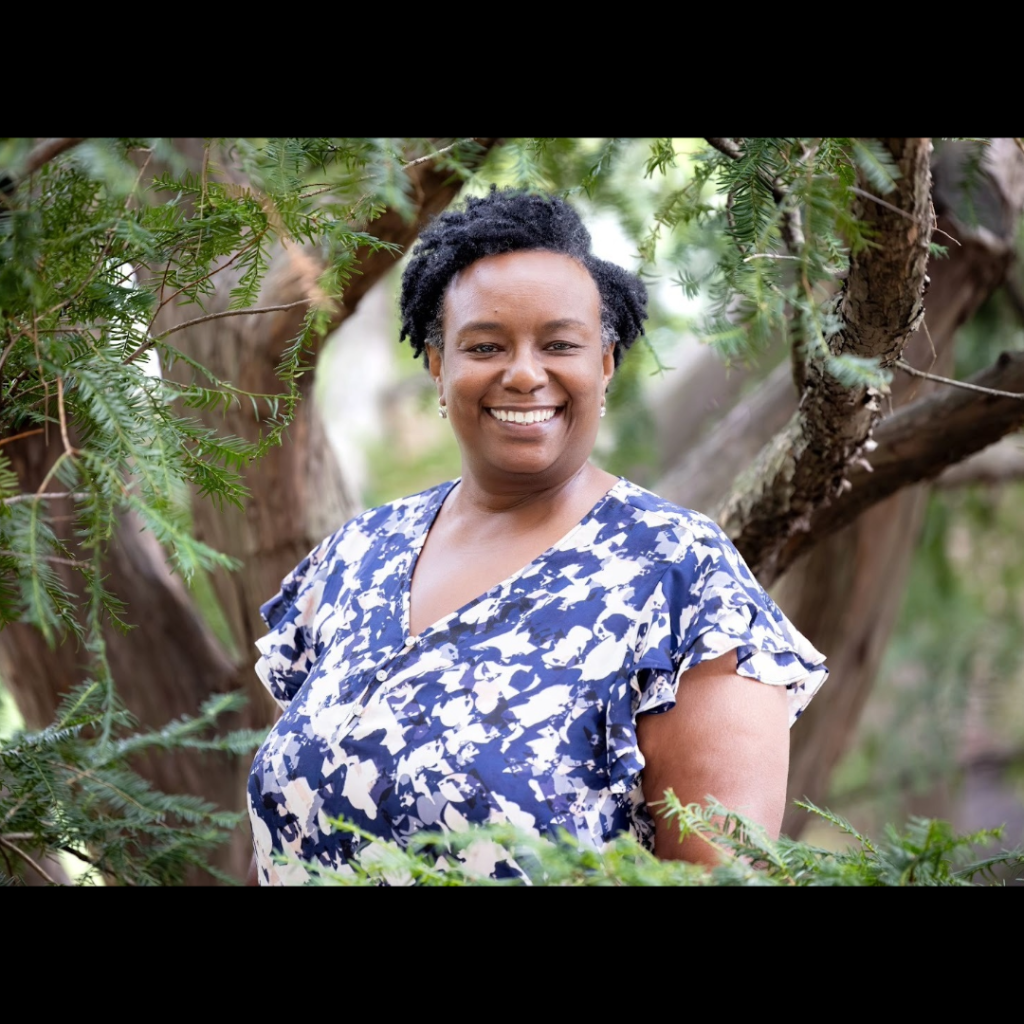
Belinda L. Montgomery, Ph.D.

Beronda L. Montgomery, Ph.D., Virginia Commonwealth University Libraries’ 2026 Social Justice Lecturer, will discuss Gatekeeping Justice: What We Must fix to Disrupt Injustice, on Thursday Oct. 22 from 7 pm to 9 pm at the James Branch Cabell Library Lecture Hall on VCU’s campus.

Dr. Montgomery is a writer, researcher and scholar who pursues a common theme of understanding how individuals perceive, respond to and are impacted by the environments in which they exist. Specifically she will address:

* Navigating power and privilege in community and maintaining versus disrupting the status quo;

* Learning from nature (sometimes referred to as biomimicry) to solve complex problems that we face and;

* Understanding how gatekeeping impedes social justice and groundskeeping as a practice can promote system care and policies that are central to social and environmental justice.

The event, October 22, 2026 from 7 pm to 9 pm, 901 Park Ave., Richmond, VA 23284 will take place in person at James Branch Cabell Library Lecture Hall and be live streamed via Zoom. Please register to attend.


According to the American Public Health Association, “environmental justice is the idea that all people and communities have the right to live and thrive in safe, healthy environments with equal environmental protections. …Communities affected by environmental injustices are most often composed of marginalized racial/ethnic, low-wealth, rural, immigrant/refugee, indigenous and other populations that live in areas disproportionately burdened by environmental hazards, unhealthy land uses, siting of polluting industries that release toxic and hazardous waste and systemic racism, all of which drive environmental health disparities.”

The Environmental Protection Agency defines environmental justice as “the fair treatment and meaningful involvement of all people regardless of race, color, national origin, or income, with respect to the development, implementation and enforcement of environmental laws, regulations and policies.”

Environmental justice is a public health and human rights issue. Marginalized communities are disproportionately at risk of exposure to lead, air pollution, hazardous waste and extreme heat. Environmental exposures have been linked to damaging health issues, including cancer, asthma and other respiratory diseases, cardiovascular disease, neurological diseases and developmental disabilities.The threat of climate change further exacerbates these environmental health risks.

How can our community combat these injustices and work toward achieving universal, basic human rights and the safety and well-being of all residents?

About the Speaker

Beronda L. Montgomery, Ph.D., is a writer, researcher and scholar who pursues a common theme of understanding how individuals perceive, respond to and are impacted by the environments in which they exist. Her primary laboratory-based research has been focused on the responses of photosynthetic organisms (i.e., plants and cyanobacteria) to external light cues. Additionally, she pursues this theme in the context of effective mentoring and leadership of individuals, and the role of innovative leaders in supporting success.

Montgomery received her Bachelor’s Degree in Biology from Washington University in St. Louis and her Master’s Degree in Biology from University of Central Arkansas. She then went on to complete her Ph.D.in Plant Biology in 2001 at the University of California, Davis. She later became a postdoctoral fellow in Microbial Biology at Indiana University with the support of a National Science Foundation (NSF) award.

Montgomery has spent more than 20 years as a professor and academic administrator at Michigan State University and Grinnell College, serving as Vice President for Academic Affairs and Dean of the College from July 2022 through July 2024, Dr. Montgomery is a current faculty member in the Biology Department at Grinnell College.

Montgomery is author of two books When Trees Testify: Science, Wisdom, History, and America’s Black Botanical Legacy (2026, Henry Holt and Co.) and Lessons From Plants (2021, Harvard University Press).

Lessons from Plants explores how plants sense, adapt to and thrive in their surroundings. The book connects plant behavior to human life, showing how lessons in growth, community, and response to stress can guide human self-awareness, social systems, and mentorship.

This event is free and open to the public, registration is required to reserve a seat or receive the live stream link.

Registration for this event is required.

For questions or accommodations please contact Ryan Larson, event manager at 804-828-0593 or rbpander@vcu.edu.

Sponsored by Work & Think, LLC

Community Partner: BND Instiute of Media and Culture Inc.