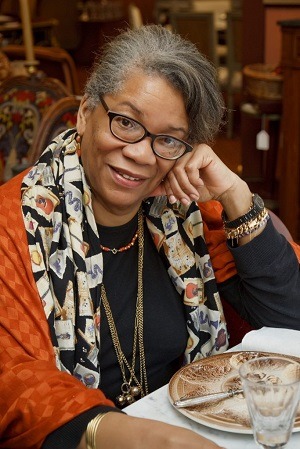
Oct. 15 session to help college students advance their journalism, media and communications careers
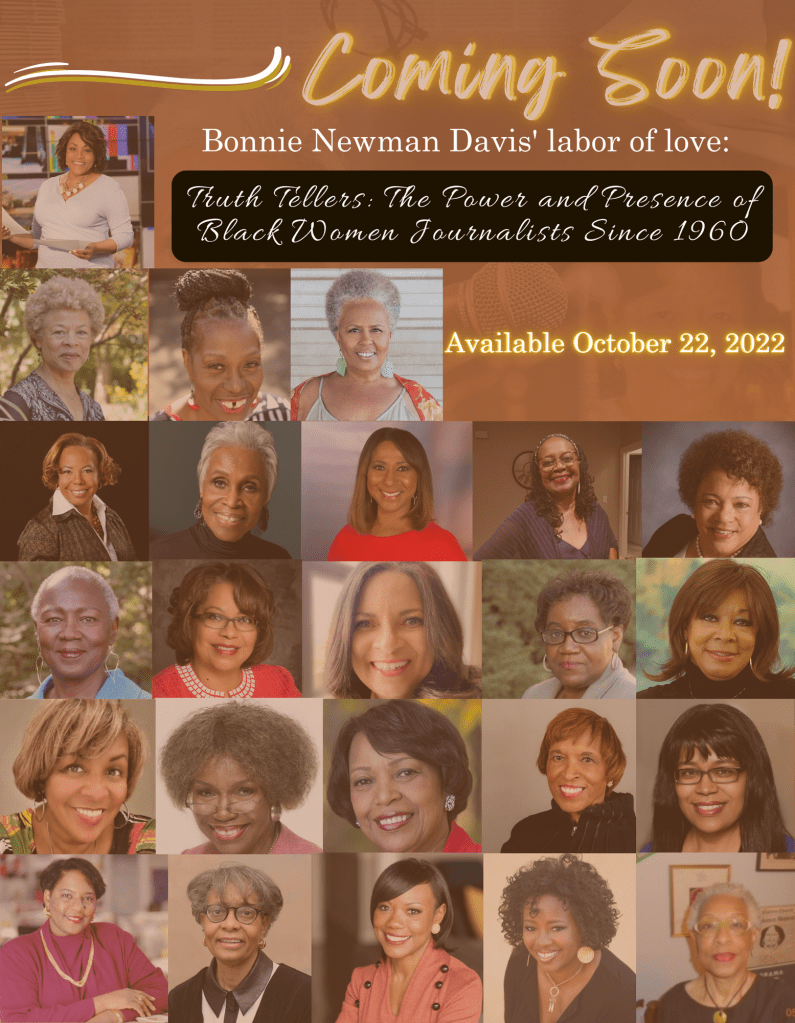
Coming Soon!
Order Now for your Oct. 20, 2022 delivery!
Contact: davisbonnie270@gmail.com
This article appeared on the Virginia Press Association on Sept. 28, 2022
September 28, 2022
FacebookTwitterEmailMessengerCopy LinkSMSShare

Bonnie Newman Davis, managing editor of the Richmond Free Press
Bonnie Newman Davis will soon release a book that tells the stories of Black women journalists over the span of 60 years.
“Truth Tellers: The Power and Presence of Black Women Journalists since 1960” has been a work in progress for the Richmond Free Press managing editor for the past seven years.
The idea for the book came when she was teaching at Virginia Commonwealth University and was writing articles for National Association of Black Journalists magazine. Davis noticed that most of the profiles published in the magazine were about Black males. Black women had been in the field longer, she noted.
Davis interviewed 24 Black women journalists from around the country to tell the story of their individual experiences working in mainstream media.
“I’m excited about it,” the 65-year-old said. “For me it was full circle—definitely one of my proudest moments in life—being able to start something and finish it.”
It has been an emotional experience, though, she said, learning about the atrocities and indignities some of the women have gone through during their careers.
“When we were coming up, not just Black women, but women period, in a male-dominated newsroom—it’s brutal,” she said. “It’s not an easy business.”
The book contains stories about one reporter who covered school integration during the civil rights movement being forced to sleep in a funeral home because she couldn’t stay at a hotel because of the color of her skin.
Another story details the treatment another female journalist received while covering KKK rallies and the offensive actions of a fellow reporter in her newsroom who used racial slurs to refer to her.
“That was shocking, the audacity that so-called professionals would do that,” Davis said. “It just makes your heart hurt to know that people had to go through that because they were pursuing a career.”
Davis expressed her admiration for the women she interviewed and their diligence in not letting the indignities wear them down. The demands of the business coupled with the demands of family is not an easy road, she noted.
The book is the culmination of Davis’s more than 40 years as a student, journalist and teacher at many universities.
Davis grew up in Greensboro, North Carolina, during the civil rights movement. As a child, her understanding of what was happening around her was limited, even though the famous Greensboro sit-in at a Woolworth’s lunch counter took place close to her home.
She was in sixth grade when Dr. Martin Luther King Jr. and Robert Kennedy were murdered. Her teacher talked about it with the class and Davis began reading stories about Black people, frequenting her local library.
“It had an impact on me and a lot of what I’ve done,” she said.
As a student at North Carolina A&T State University, she took a course that explored elected Black politicians who were coming into their own at the time.
“That kind of opened my eyes to the way things were, “she said.
It was there that she was also introduced to many of the leading African American journalists of the time who came to speak at the university.
“These were the kind of people who were telling us about journalism,” she said. “I bit the bullet, so to speak.”
She gained experience working for the Wilmington Star-News and Greensboro Daily News while in college and interned at The Louisville Times on a minority scholarship before enrolling in the University of Michigan to earn her master’s degree. During her internship at the Ann Arbor news, she interviewed the likes of Barbara Bush and Bootsy Collins, who is recognized by Rolling Stones Magazine as the top bassist of all time.
She became involved in the National Association of Black Journalists and attended a job fair the organization hosted in Washington, D. C.
There she met Dorothy Gilliam, the first African American female reporter at The Washington Post. Gilliam read Davis’s clips and offered the budding journalist encouragement.
“Thinking back on her support and encouragement helped me along the way,” Davis said. “I’m grateful for that.”
Davis was offered a job at the Richmond News Leader, where she started out typing up obituaries and other copy for the newspaper. Before long, she was covering schools, school boards and county government.
She left the paper for a few years for another opportunity, but eventually returned to the News Leader in 1991 just as it was merging into the Richmond Times Dispatch.
Before she left for a second time in 1999, she was editor of the RTD’s Sunday arts and entertainment section, overseeing a 12-person team. She had also established the Richmond Chapter of Black Journalists, which was recognized by the NABJ as Chapter of the Year in 1999.
But Davis had grown restless, trading journalism for academia – first as director of communications for Virginia Union University, and later as a visiting professor at numerous universities where she taught a variety of journalism related courses. She also was a substitute teacher in Henrico County Public Schools.
She was named Journalism Educator of the Year by the NABJ in 2011 and has received numerous awards and honors throughout her long career for both teaching and journalism.
Davis had begun substitute editing for the Richmond Free Press and agreed to help with editing last December while the paper’s editor went on vacation.
A few months later, the paper’s owner, Jean Patterson Boone, called Davis and asked if she would be willing to take over the reins as managing editor.
“I wasn’t going to turn it down,” Davis said. “It’s been great.”
The free weekly newspaper, founded by the late Raymond Boone in 1992, is focused on covering Richmond’s Black community.
Davis’s mission is to provide readers with information that will help them navigate their daily lives – from what’s happening in city hall and in the schools, to policing, law enforcement, utilities, and housing.
“We tend to pay a lot of attention to housing, to available resources,” she said. “There’s a huge issue with homelessness in the city, and impoverishment.”
Davis said that 25 percent of people in Richmond live in poverty, and one of her goals is to shed light on the issue and provide information to people about where they can go for assistance while at the same time letting readers know how they can help.
“That to me is keenly important. I think that’s the role of journalism, providing this information so people know what to do on any given day,” Davis said.
Davis is focused on presenting the Black perspective and said she brings her own personality and unique perspective to the newspaper each week. She has also made it her goal to include more news about young people in the community.
“That’s a natural for me having spent so much time in the classroom–shedding light on what they’re doing,” she said. “And sometimes it depends on what I like or what I’m seeing or how I feel.”
For Davis, whose sisters describe her as a workaholic, life truly has come full circle. The fact that her parents, now both deceased, were able to live long enough to see her career accomplishments is gratifying to her.
“I’ve been able to walk in and out of various news organizations and institutions of higher learning,” she said. “I don’t have any regrets at all. I enjoy what I’m doing,” she said. “It’s been a good ride and I’m looking forward to the future.”
Correction: This article has been corrected to report that Bonnie Newman Davis was a substitute teacher in Henrico County Public Schools, not Richmond City schools as intially reported.
Article by Deana Meredith, Communications Manager, Virginia Press Association


Press Release
11th Annual Jazz Inside Out Set for July 2
More than 20 local and national companies will partner with the Virginia Higher Education Fund for an evening of dancing and live jazz to raise scholarship funds for local students.
The 11th annual Jazz Inside Out event is scheduled from 7 to 10 p.m. Saturday, July 2 at the Virginia Museum of Fine Arts, Best Cafe and Terrace.
The signature event will be hosted by Jasmine Turner, WWBT/NBC 12 Anchor with Honorary Chair, Dr. Monroe Harris. Entertainment will be provided by national jazz recording artist Phillip “Doc” Martin and singer, Richmond native, Kia Bennett.
Tickets are $75. and include Hors d’oeuvres, silent auction and dancing.
Tickets are available at
For more information: (804) 329-1374.
What– 11th Annual Jazz Inside Out. More than 20 local and national companies will partner with the Virginia Higher Education Fund for an evening with national jazz recording artist, Phillip “Doc” Martin and Kia Bennett to raise scholarship funds for local students.
When-July 2, 7pm-10pm
Where– Virginia Museum of Fine Arts, Best Cafe & Terrace
Who it benefits– Proceeds this year will provide Momentum Scholarships for local students
What it includes– Hors d’oeuvres, live entertainment, dancing and a silent auction.
For more information: (804) 329-1374.

Hear a riveting discussion between award-winning author Sadeqa Johnson and motivational speaker Dennis Parker, Ph.D, about the bowels of slavery at the infamous “Devil’s Half-Acre,” a jail where enslaved men and women once were tortured and sold every day in Richmond, Virginia. Learn about the lingering effects of such inhumane treatment. Award-winning author Stacy Hawkins Adams will introduce the speakers and lead a question-and-answer session.
May 17, 2022 – 6:30 p.m.
Free on Zoom
https://us02web.zoom.us/meeting/register/tZctceqoqj4vHdDeWjF14pYHR_81_PuSNgbH
This program is sponsored by MLH Assets Management. LP
New location, new faces, new activities!

During the fifth year of the BND Institute’s Summer Media Camp, middle and high school students will report, write, photograph and video stories that illustrate the impact of COVID-19 in Richmond, Virginia two years after the start of the pandemic. Students participating in the program are required to be current on all vaccinations, including the COVID-19 vaccination. For more information please call Bonnie Newman Davis @ 804 683-7203 or email: bonnienewmandavis@gmail.com
Bonnie Newman Davis is executive director of the BND Institute of Media and Culture, Inc., a program that was launched in 2018 for middle and high school students who are interested in pursuing careers in journalism and the news media. Learn more about Ms. Newman Davis.
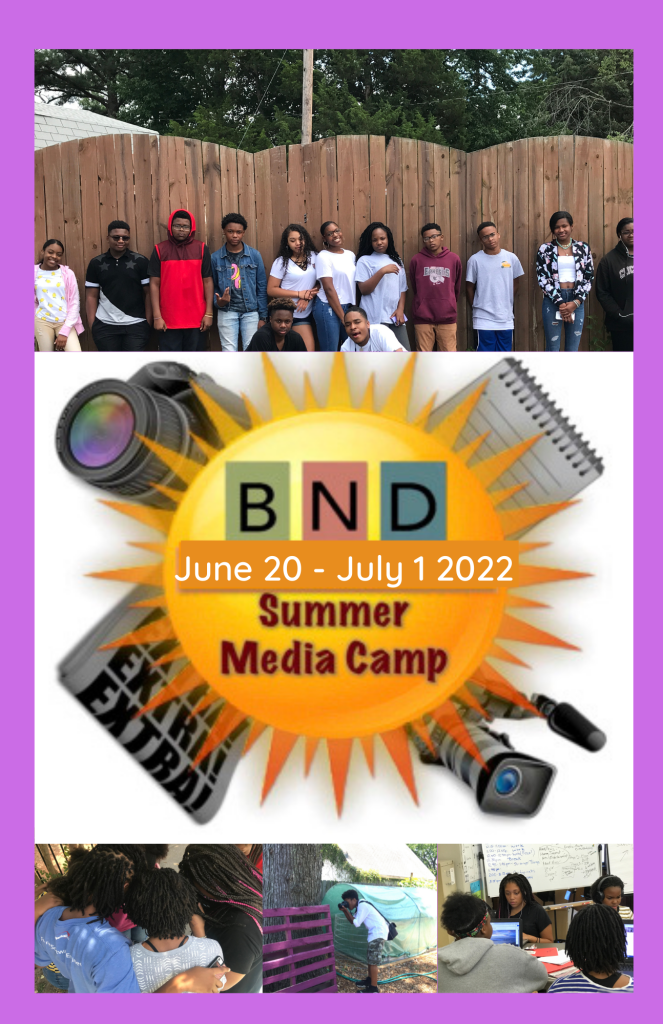
2022 BND Summer Media Camp Sponsors
John R. Rich
Eric and Sarah James
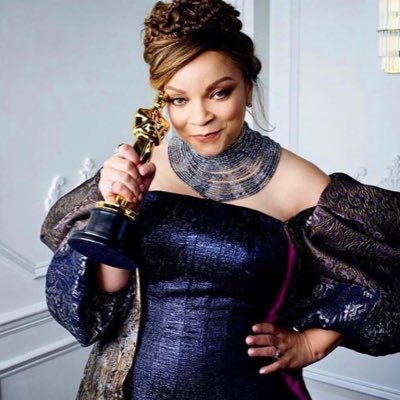

Photos and Text – Bonnie Newman Davis, Journalist, Journalism Educator, Media Consultant
Executive Director, BND Institute of Media and Culture, Inc.
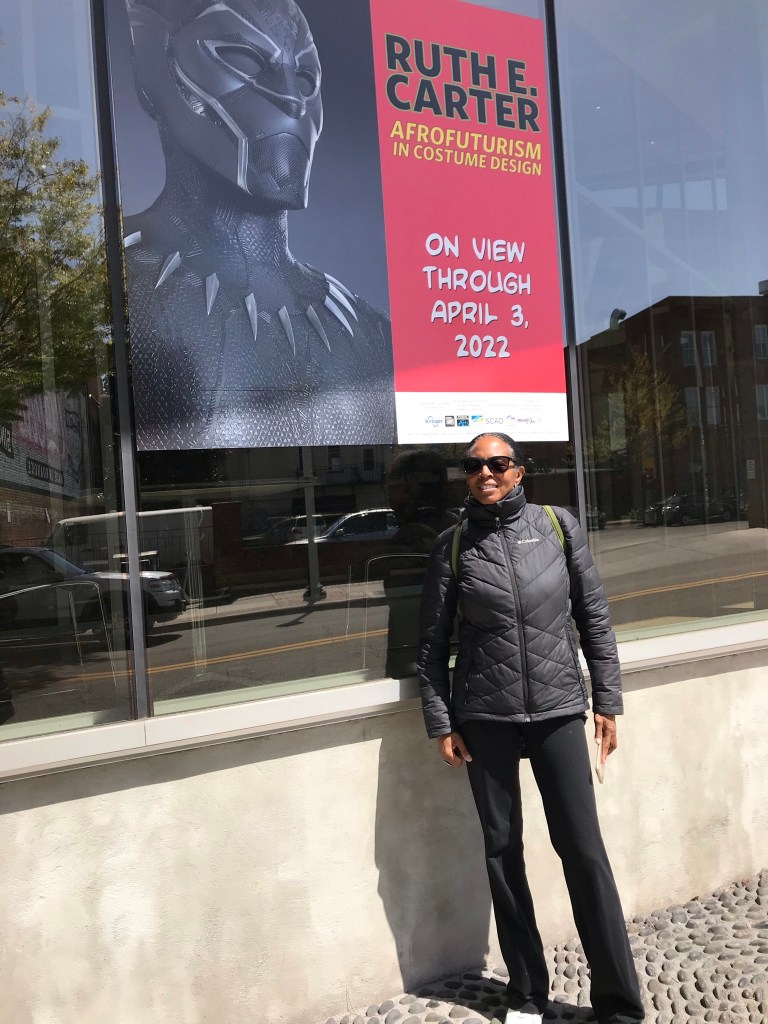
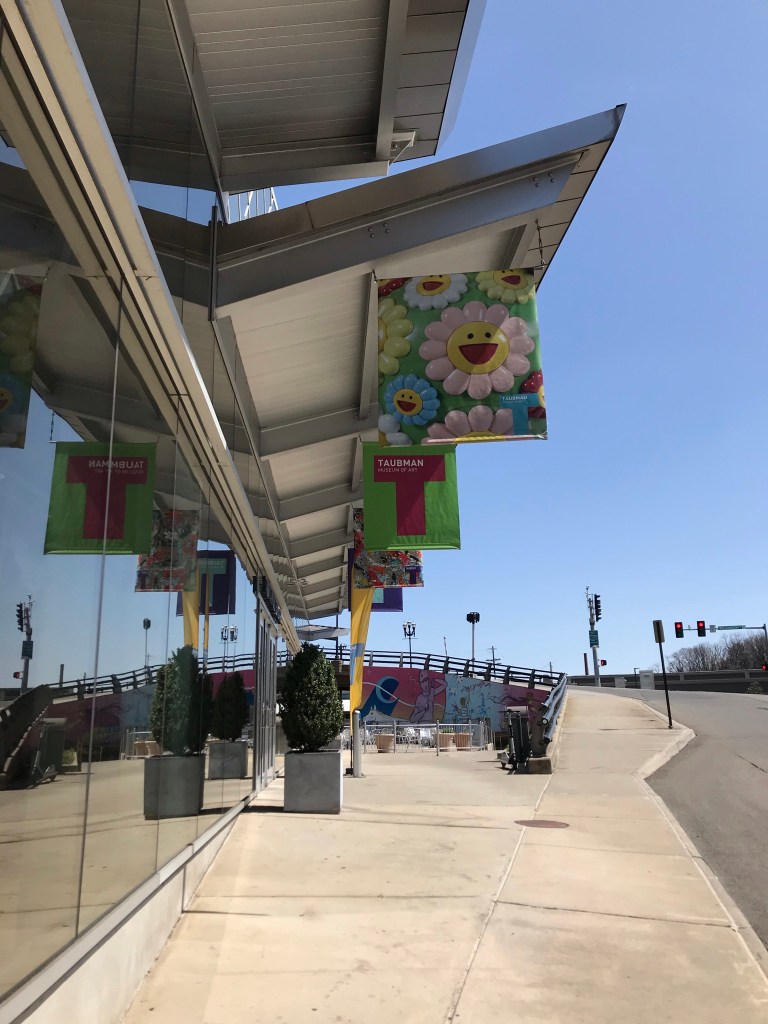
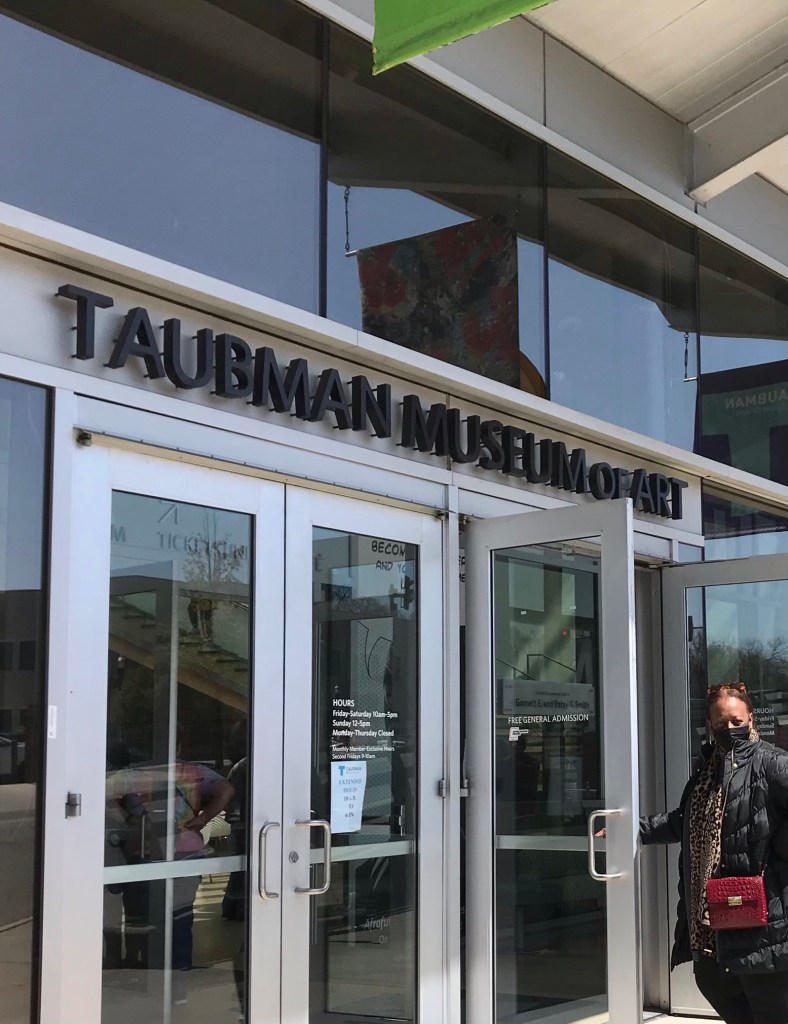
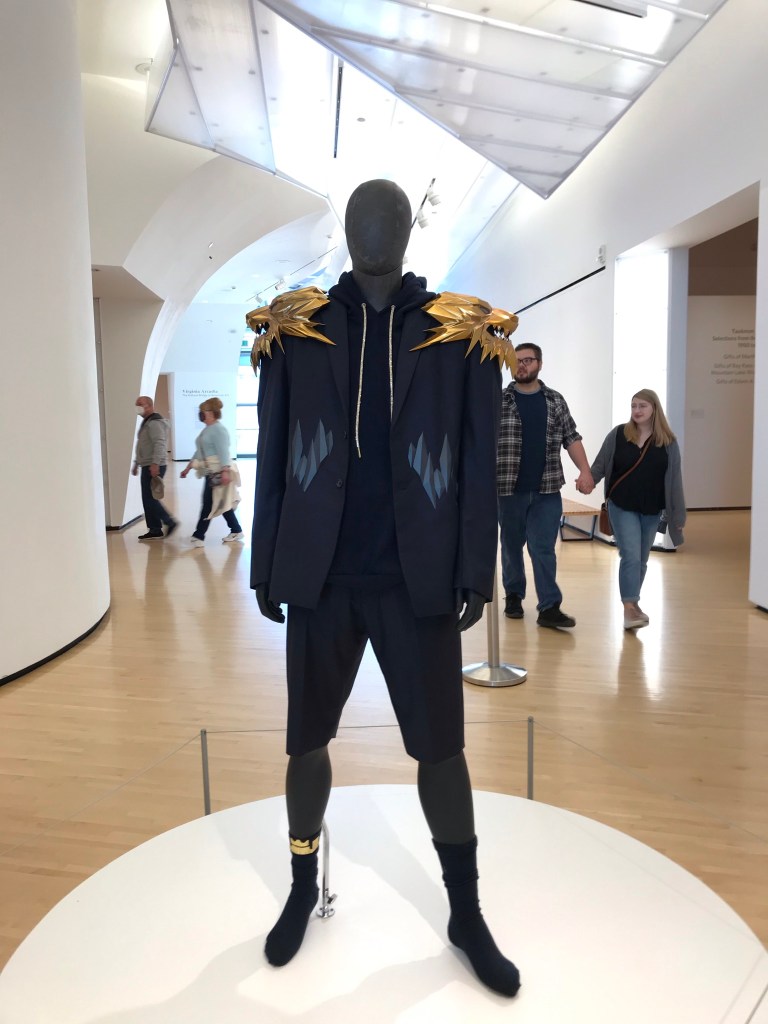
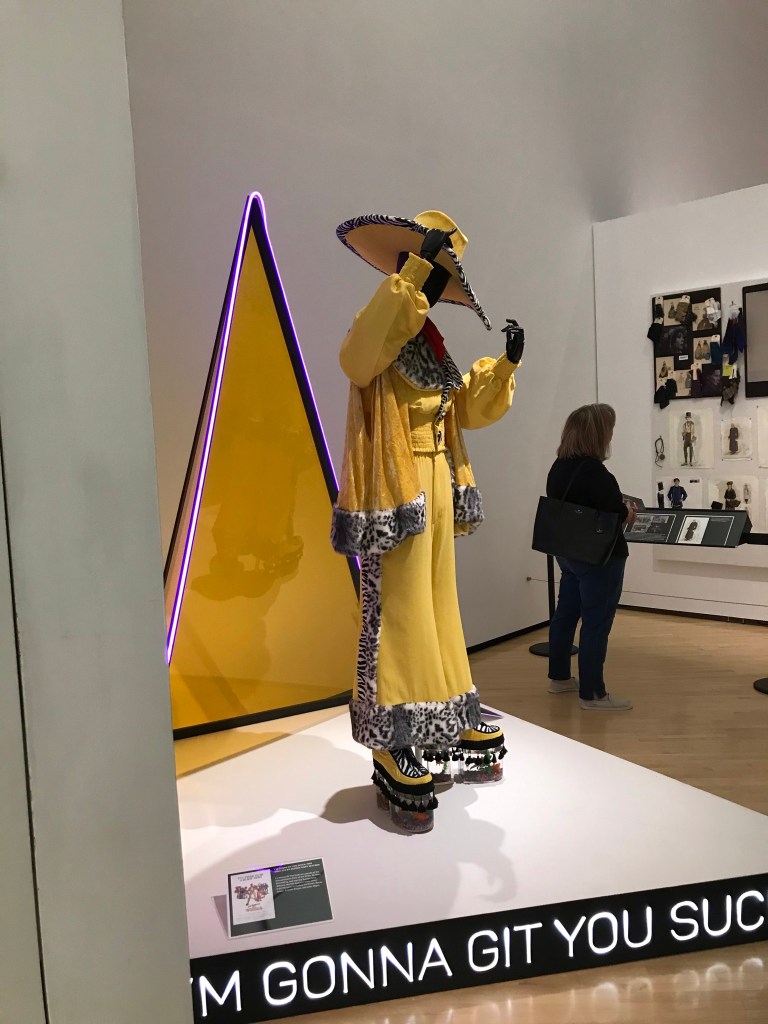
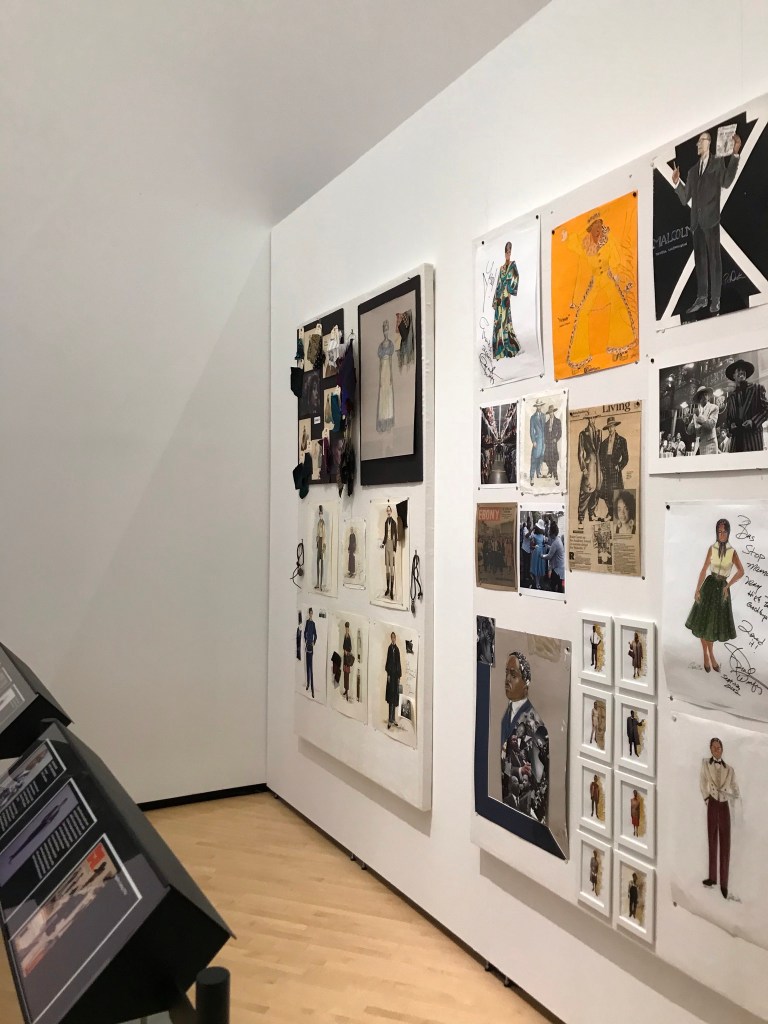
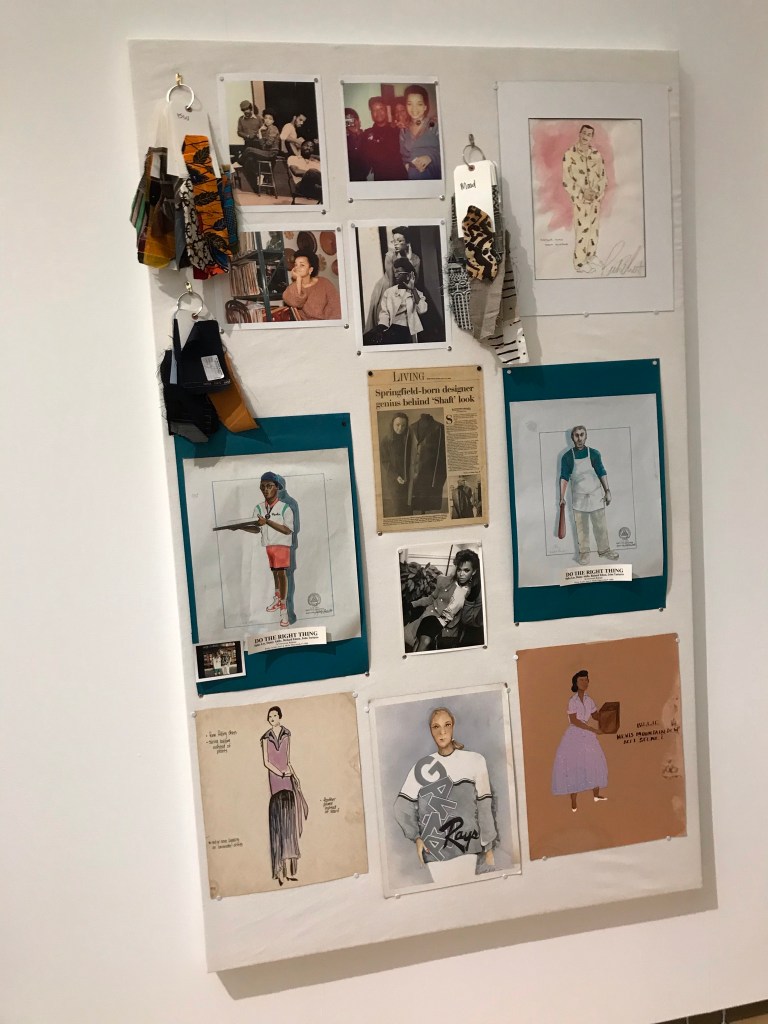
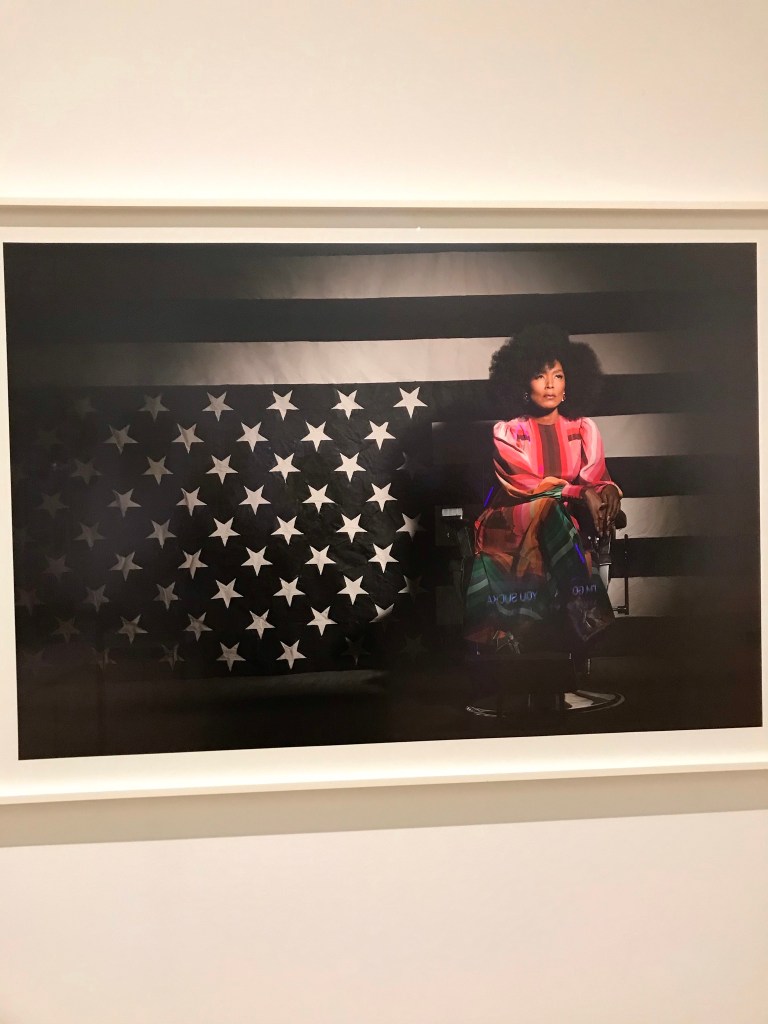
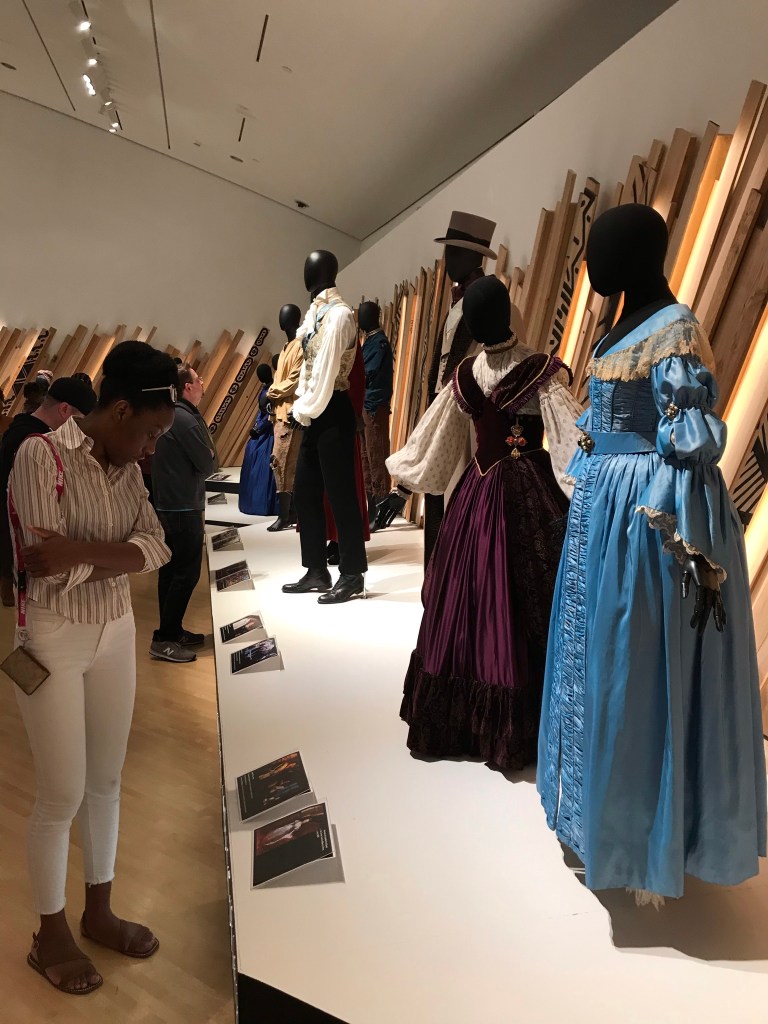
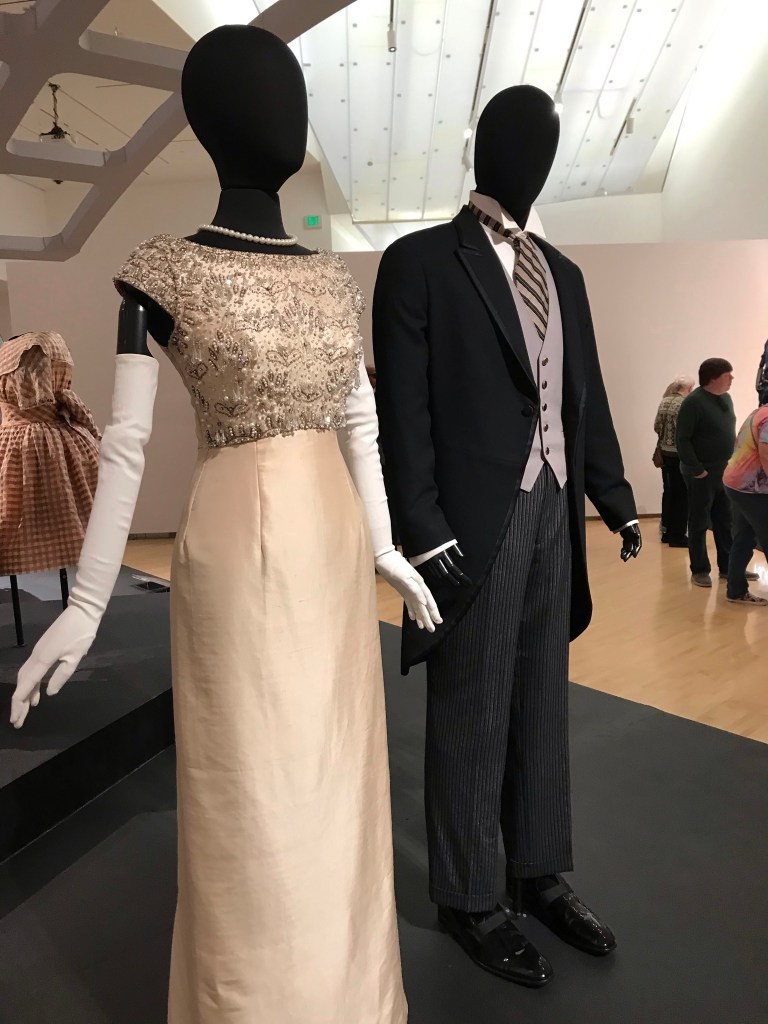
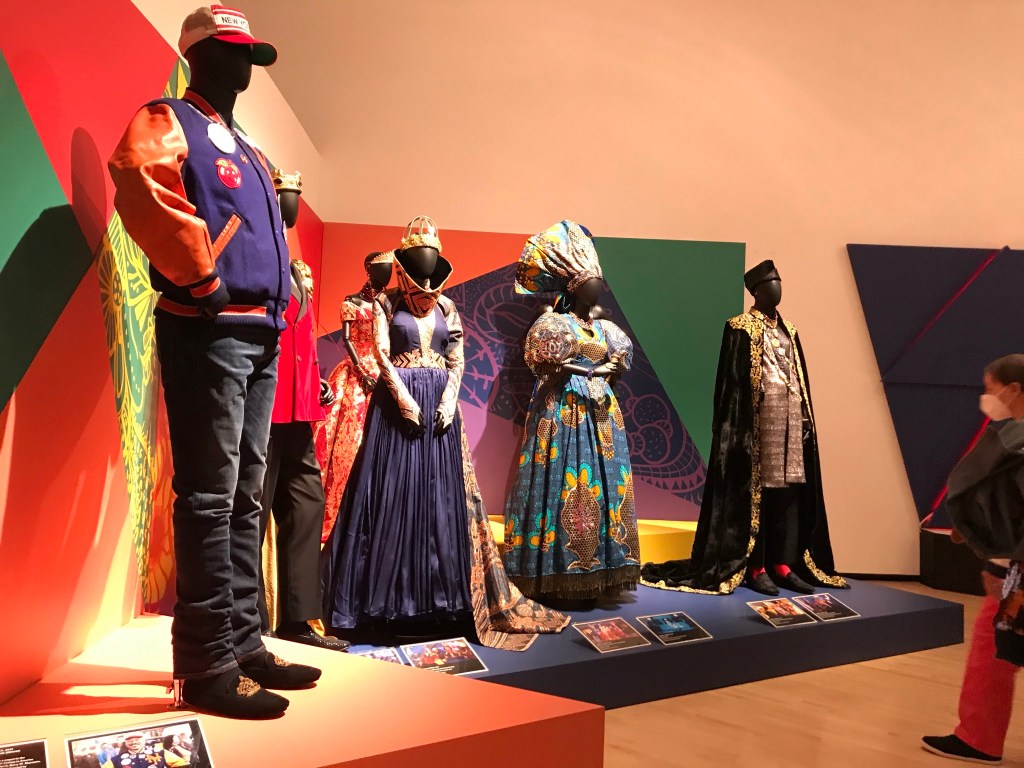
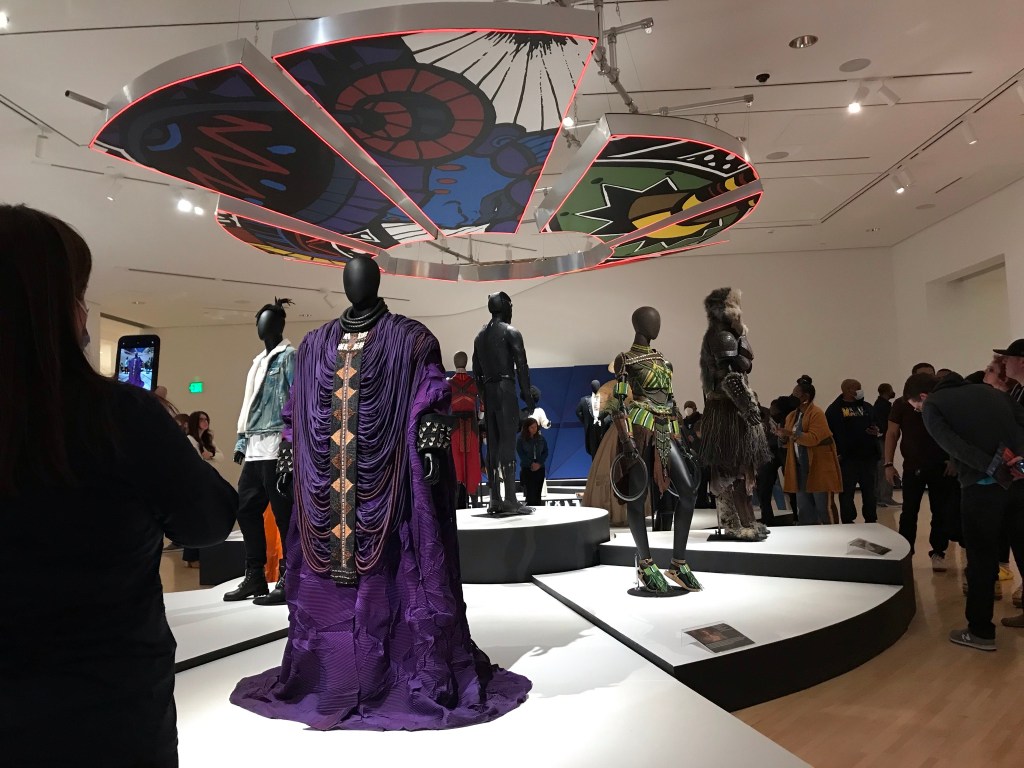
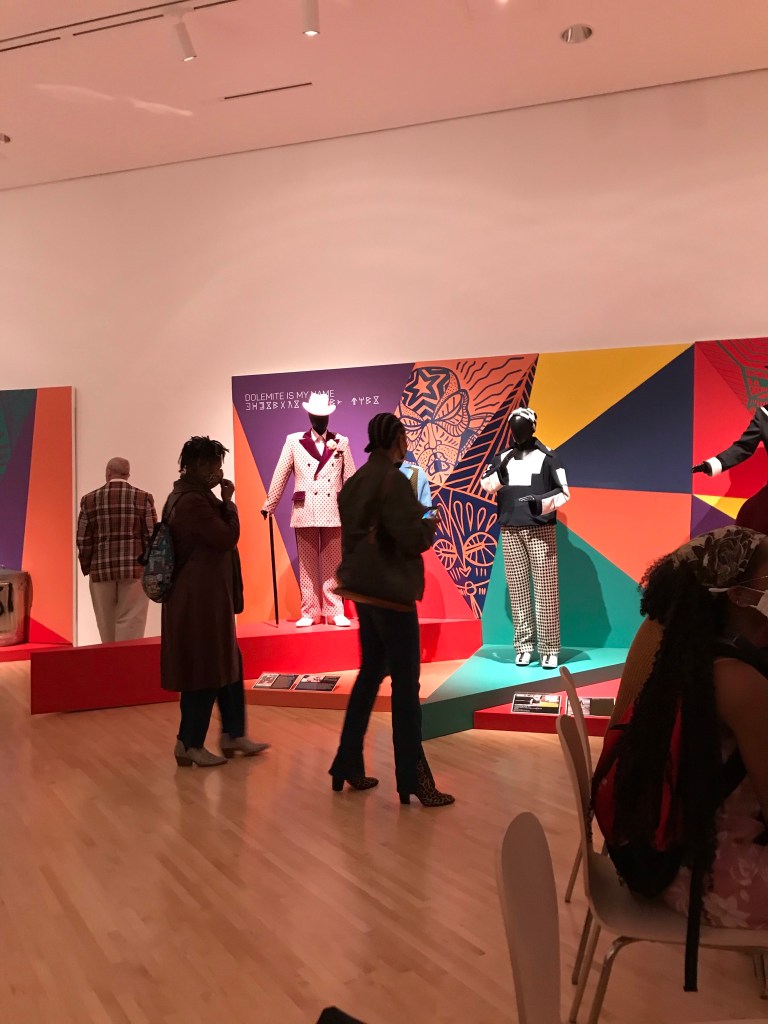
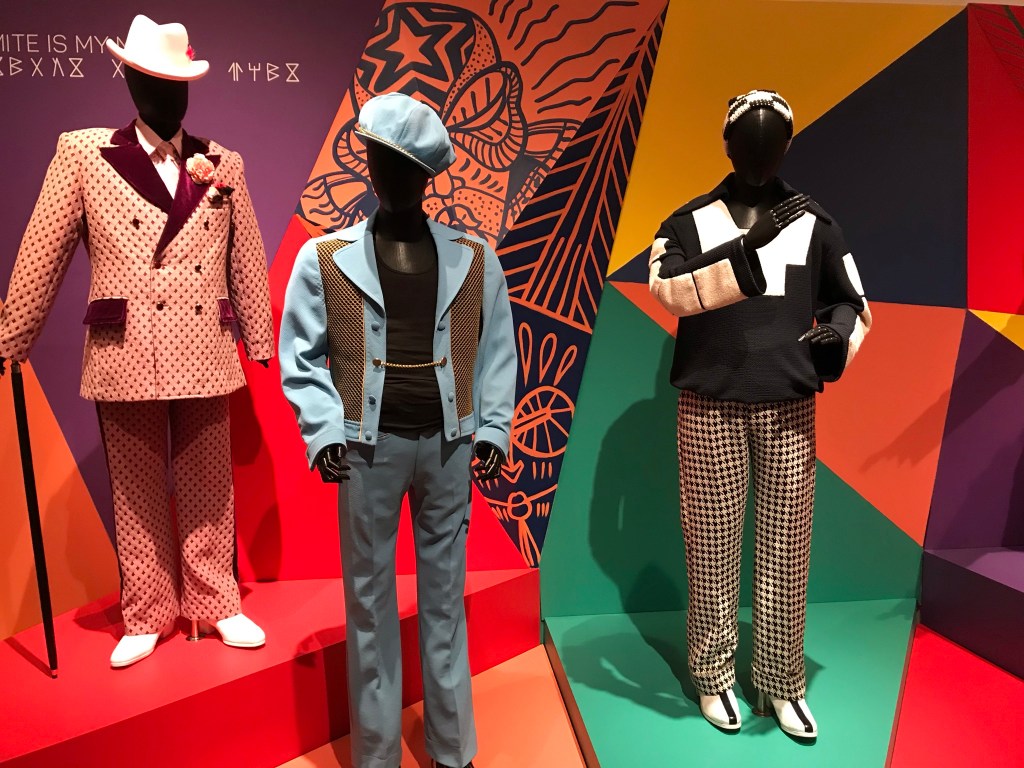
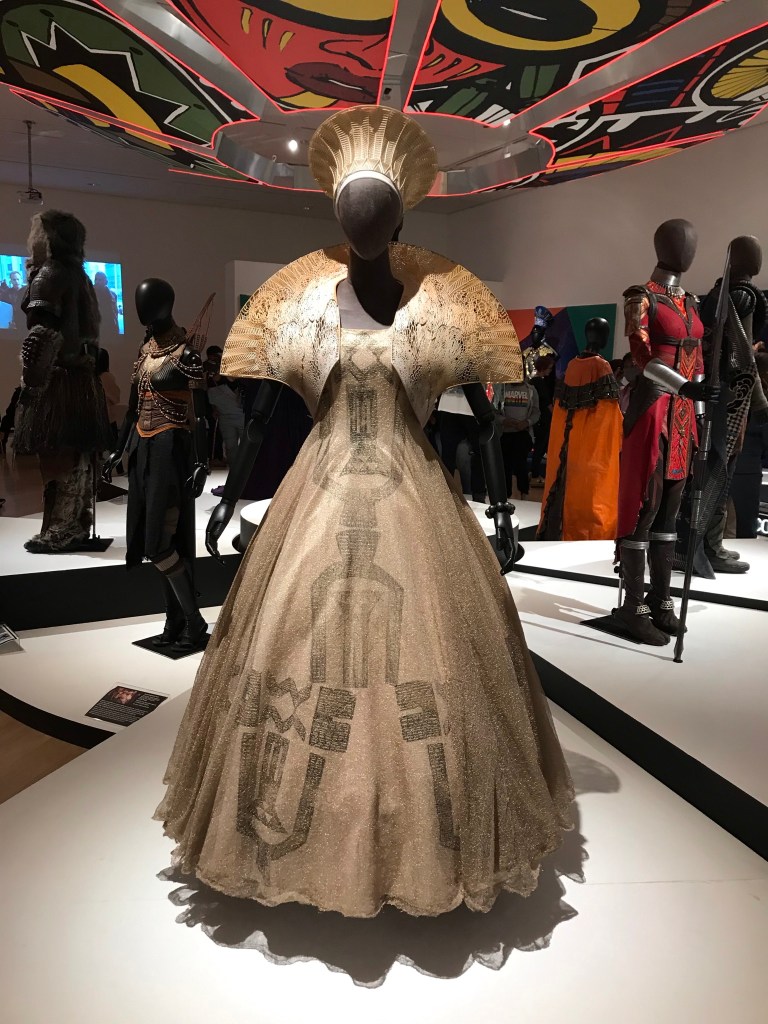
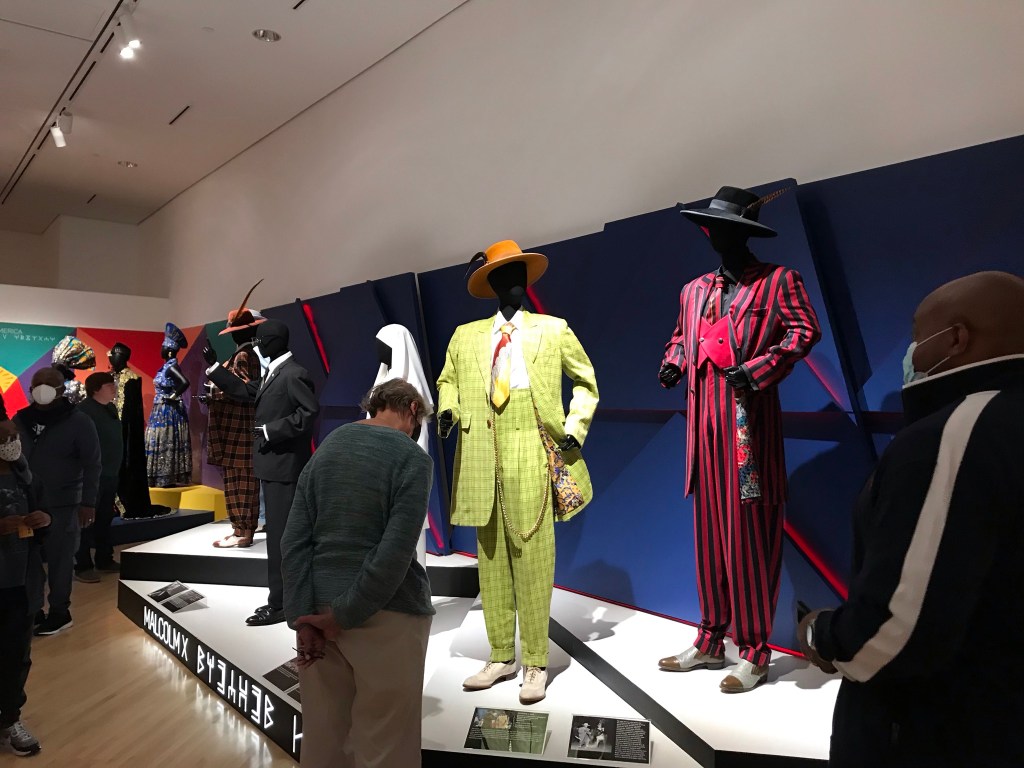
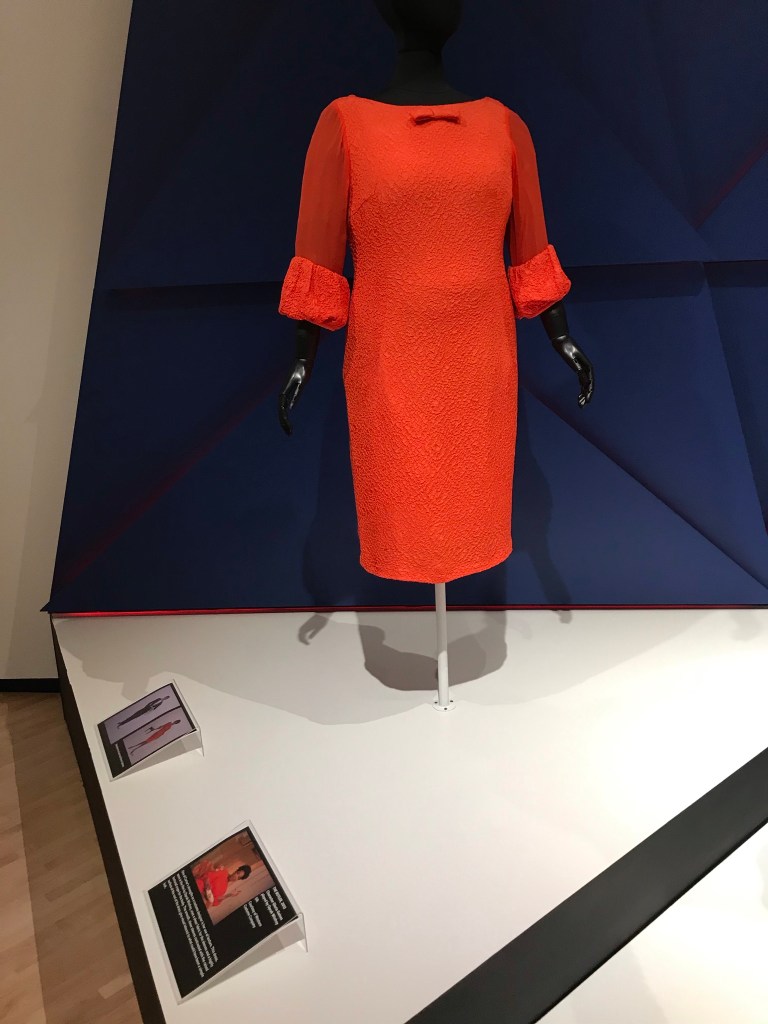
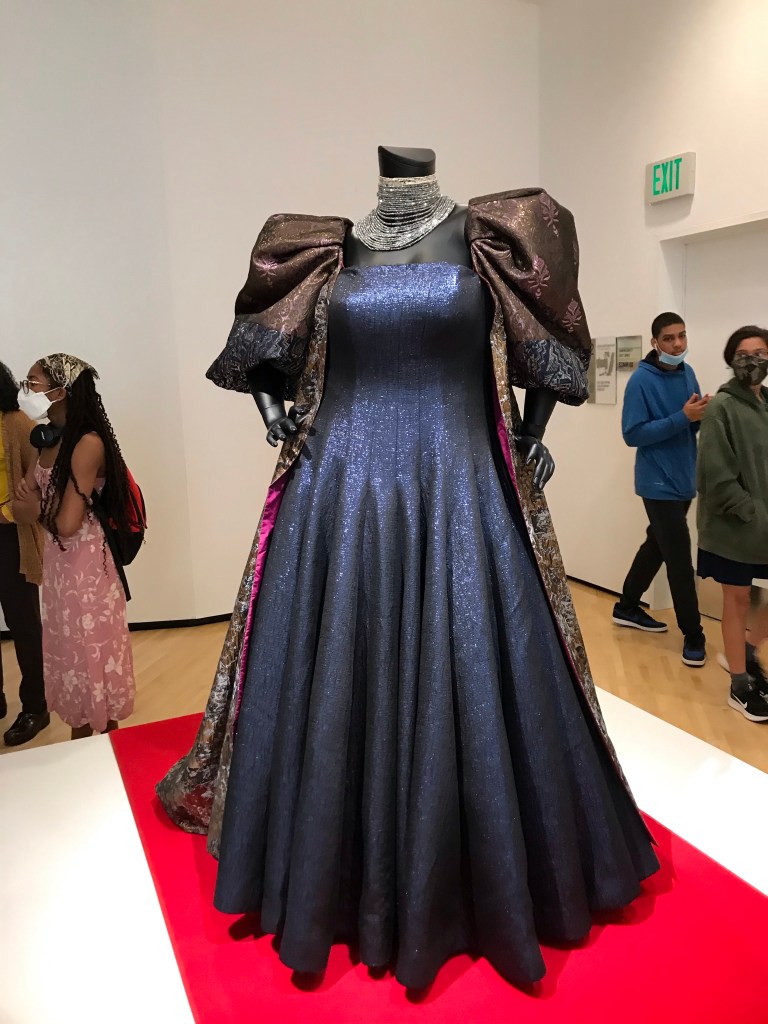
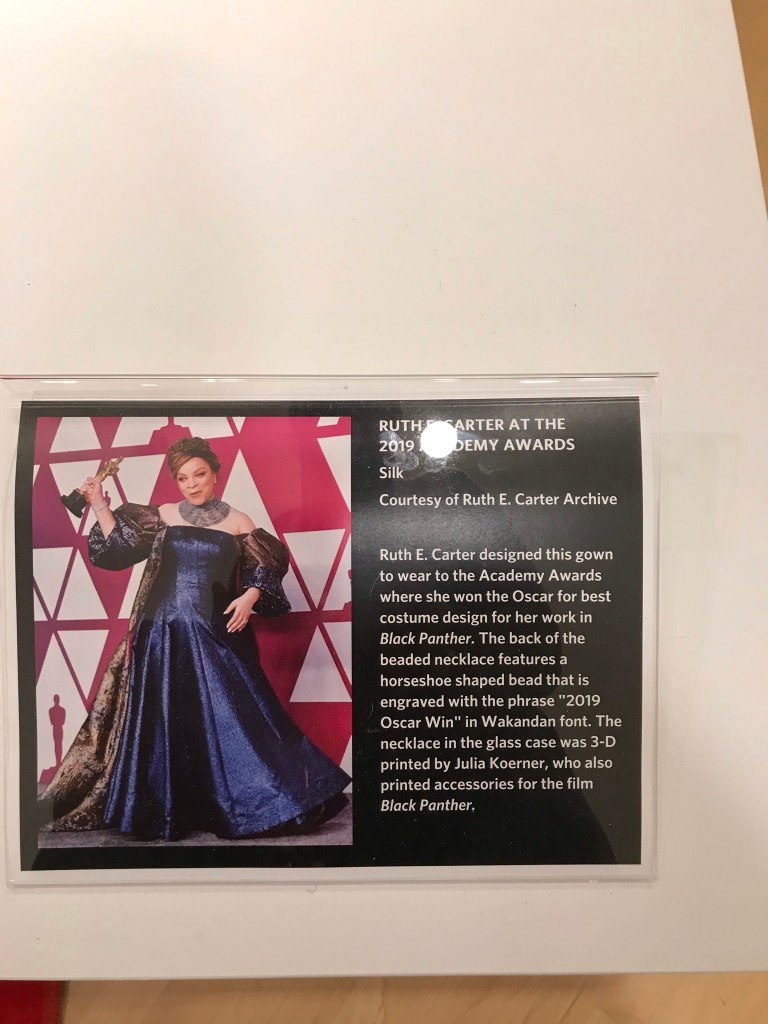
Wow! It was so worth the ride to Roanoke, Virginia’s Taubman Museum to view the Ruth E. Carter AfroFuturism in Costume Design Exhibit on April 3, 2022, its last day in the commonwealth! Ms. Carter, a Hampton University graduate, is the first African American to win an Academy Award (2019) in the Best Costume Design category for “Black Panther”. Her costumes from other movies such as “The Butler,” “Selma,’’ “Amistad” etc., also were on display. I walked away in awe of all that is involved in the artistry and art of fashion and costuming —-it goes beyond appearance and style by incorporating practicality, utilitarianism, classism and so much more. What a wonderfully enlightening weekend! And where were you?







Programs and events near and far
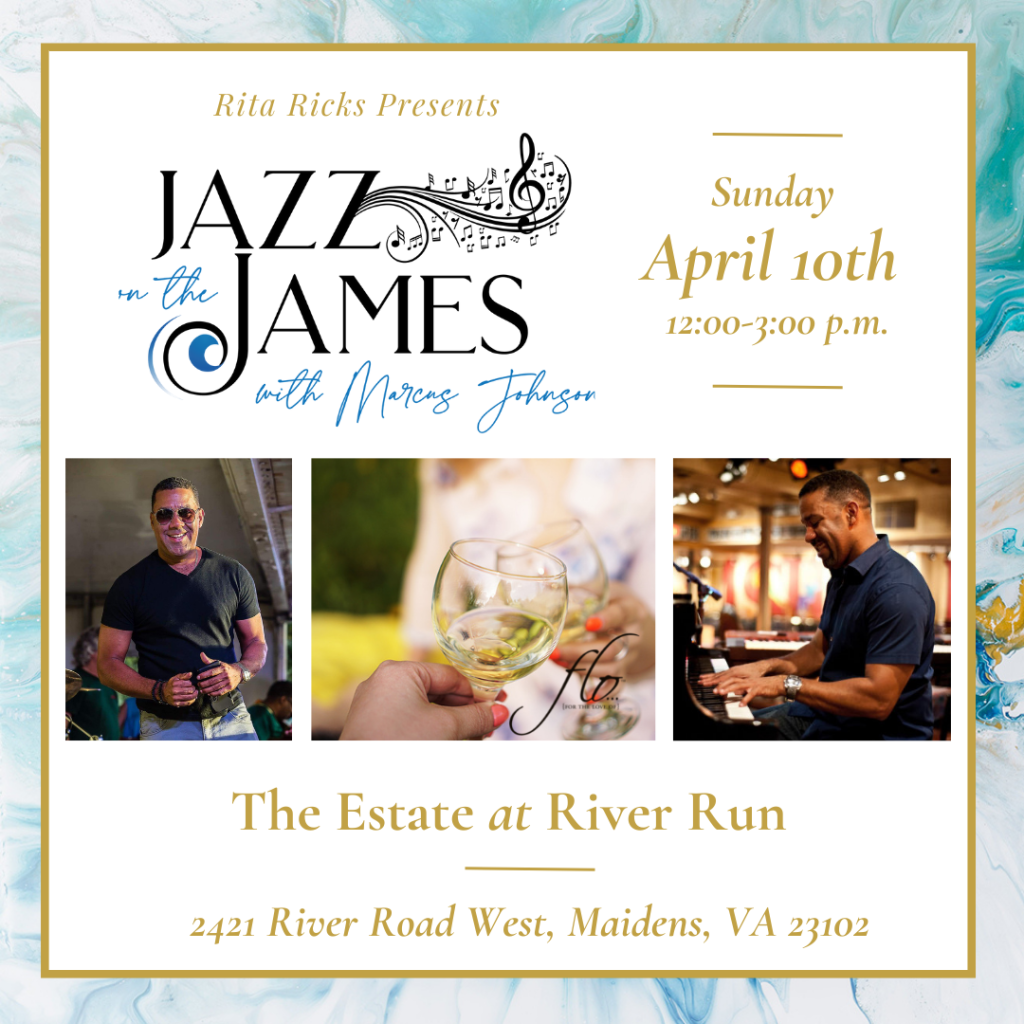
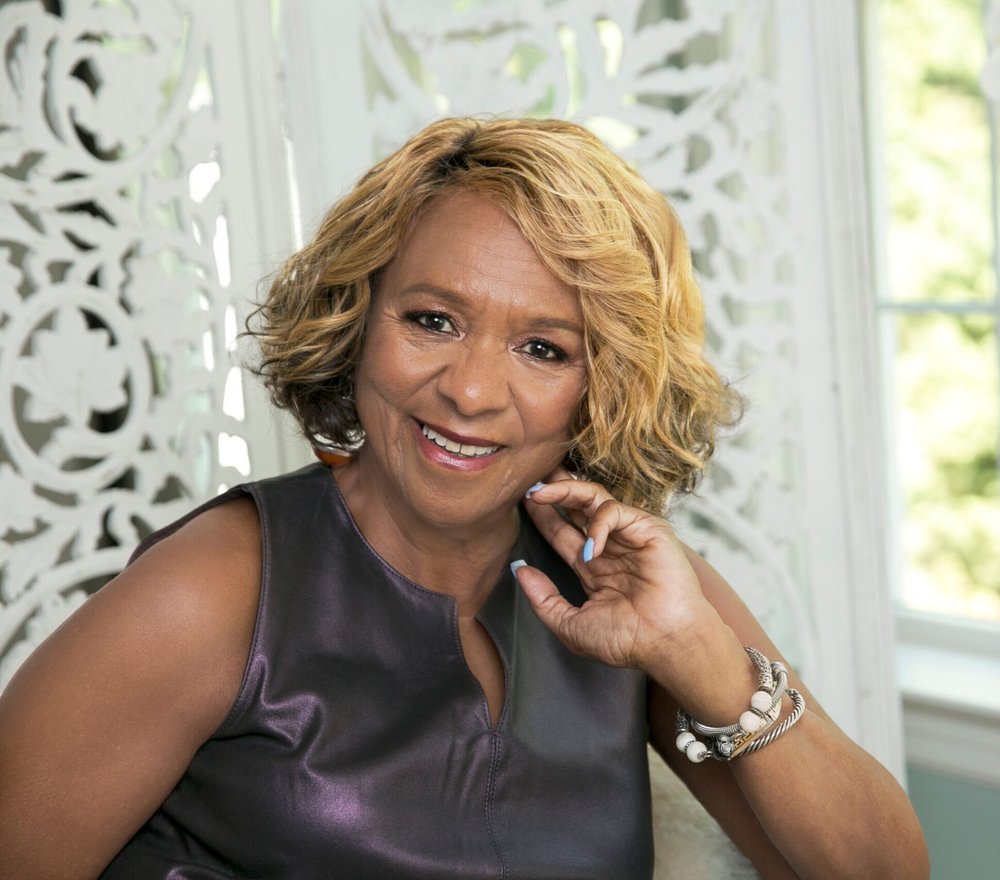
Enjoy Jazz on the James where guests will enjoy a Southern menu of delights with “RR” signature cocktails and FLO (for the love of…) brand spirits. Uniquely, Rita and Marcus will blend conversation and music, and there will be dancing! Couples and Singles alike can join the afternoon of sweet sounds and soulful chat.
Sunday, April 10, 2022 ~ The Estate at River Run
2421 River Road ~ West Maidens, Virginia 23102
________________________________
THE KLM ANNUAL BLACK AND WHITE AFFAIR
The KLM Scholarship Foundation’s annual Black and White Affair is back! After a two-year hiatus, the popular fundraiser will take place April 16, 2022 at the Richmond Convention Center in Richmond, Va. DJ Lonnie B. will be in the house, along with Richmond’s numerous corporate sponsors and guests who love a party with a purpose.
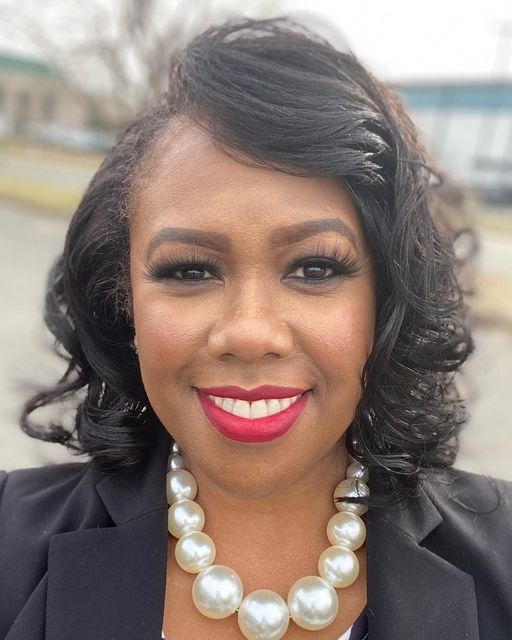
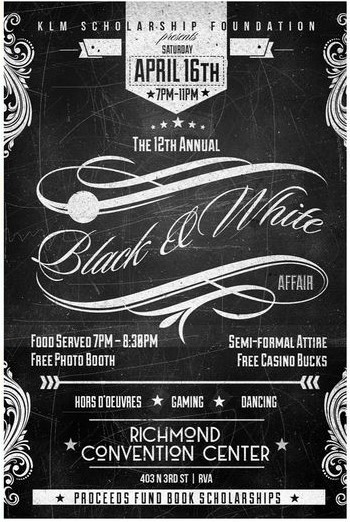
Led by founder Kimberley L. Martin, the KLM Foundation is a nonprofit organization that was established and incorporated November 2002 in Richmond, Virginia. The foundation was granted its tax-exempt 501(c)(3) status by the Internal Revenue Service March 2003. The primary purpose of the organization is to raise funds and distribute book scholarship awards. The scholarships are academic-based and target college students faced with financial obstacles. Ms. Martin founded the philanthropic foundation 20 years ago because of her tremendous desire to support anyone seeking a quality education.
Click here to visit the KLM Foundation.
Click Here to register for the 12th Black and White Affair.
_______________________________________________________
Jazz Inside Out 2022


The Jazz Inside Out Fundraiser is sponsored by Virginia Higher Education Fund, a nonprofit corporation (run by all volunteers) formed to provide Momentum Scholarships & emergency aid to college students in need. Rose Giles is the face and voice behind the electric fundraiser. The 2022 annual Jazz Inside Out event, to take place July 2, 2022 at the Virginia Museum of Fine Arts, will help raise funds for the Momentum Scholarship.
For more information, visit this link.

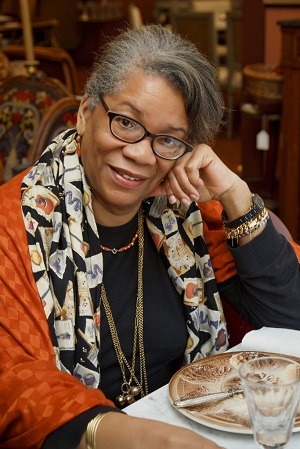
Jessica Harris Photo by Kristy May
Beginning with a traditional African American plate, this presentation will focus on eight plants important to African American cuisine: rice, corn, peanuts, okra, watermelon, chili peppers, leafy greens, and sweet potatoes. Using traditional stories, illustrations, and history, Dr. Harris will discuss their connections to and importance in African American history and culture.
Online webinar conducted via Zoom.
This program is offered free due to generous support by The William L. Brown Center at the Missouri Botanical Garden

All programs are subject to change.
+ Add to Google Calendar+ Add to iCalendar+ Export .ics file
Date:Wednesday, February 23, 2022Time:7:00 pm – 8:00 pm
Jessica B. Harris is the author of twelve critically acclaimed books documenting the foods and foodways of the African Diaspora: Hot Stuff: A Cookbook in Praise of the Piquant; Iron Pots and Wooden Spoons: Africa’s Gifts to New World Cooking; Sky Juice and Flying Fish Traditional Caribbean Cooking; Tasting Brazil: Regional Recipes and Reminiscences; The Welcome Table: African American Heritage Cooking; A Kwanzaa Keepsake; The Africa Cookbook: Tastes of a Continent; Beyond Gumbo: Creole Fusion Food from the Atlantic Rim; On the Side; The Martha’s Vineyard Table; Rum Drinks: 50 Caribbean Cocktails from Mojito to Rum Daisy and High on the Hog: A Culinary Journey from Africa to America.
A culinary historian, she has lectured on African-American foodways at The Museum of Natural History in New York City, The California Academy of Sciences in San Francisco, The Smithsonian Museum of American History, the Smithsonian Museum of African American History and Culture in Washington DC, the Atlanta History Center, Oxford Brookes University, U.K., and the Oldways/American Institute of Wine and Food conferences in Tunis, Tunisia, and in Rabat, Morocco, well as at numerous institutions and colleges throughout the United States and abroad.
In addition to her work on the foodways of the African Diaspora, Dr. Harris is also the author of The World Beauty Book (Harper/SanFrancisco, 1995), a collection of beauty secrets from women of color around the world, the co-editor of La Vie Ailleurs (Harcourt Brace Jovanovich, 1989), a multicultural French text, and the translator of Ton Beau Capitain by Simone Schwarz-Bart. She was restaurant reviewer for The Village Voice in New York City for six years (1995-2001).
Her memoir – My Soul Looks Back: A Memoir, published in 2017, was a finalist for the PEN Open Book Award. Her most recent book: Vintage Postcards from the Atlantic World: In the Dignity of their Work and the Joy of Their Play was published in May 2020.
In her more than four decades as a journalist, Harris has written book reviews, theatre reviews, travel, feature and beauty articles too numerous to note. She has written extensively about the culture of Africa in the Americas, particularly the foodways, for publications ranging from Essence (where she was travel editor from 1977-1980) to German Vogue. She has written for most of the major food magazines Including Gourmet, Saveur, Food & Wine, Cooking Light, Southern Living, and Eating Well. She has chaired panels and given presentations at the Fancy Food Shows in both San Francisco and New York, at Chef Magazine’s Chef des Chefs, and at The Caribbean Culinary Federation’s annual Taste of the Caribbean, where she has given the keynote address for six years, as well as at IACP (International Association of Culinary Professionals) and AIWF (American Institute of Wine and Food) conferences among others.
Dr. Harris has made numerous television appearances on shows including The Today Show, Good Morning America, The Main Ingredient, and B. Smith with Style. On the Television Food Network, she has appeared on the Curtis Aikens Show, Sara Moulton’s Cooking Live, and TV Food News and Views. She has hosted five episodes of Chef du Jour and served as the resident food historian of Sara Moulton’s weekly Cooking Live Primetime from July through November 1999.
A professor in the English Department at Queens College, CUNY for 50 years until her retirement, Harris is currently professor emerita. She holds an A.B. from Bryn Mawr College, a M.A. in French Literature from Queens College, CUNY, a License ès Lettres from the Université de Nancy, France, and a doctorate in Performance Studies from New York University where her dissertation focused on the French-speaking theatre of Senegal. Dr. Harris was the inaugural scholar in residence in the Ray Charles Chair at Dillard University in New Orleans.
Dr. Harris has been a Board Member of the Caribbean Culinary Federation, a national board member of the American Institute of Wine and Food, a life member of the College Language Association, a founding member of the Southern Foodways Alliance, and a board member emerita of Ogden Museum of Southern Art and Culture in New Orleans. Dr. Harris has also been an advisory board member of The Southern Food & Beverage Museum also in that city and the Heinz Center in Pittsburgh. She has consulted for the Martha’s Vineyard Museum, the Historic New Orleans Collection, and the Smithsonian’s American Museum of African American History and Culture in Washington D.C. She is a patron of the Oxford Cultural Collection in Oxford, England.
Dr. Harris holds many honors and has received a Lifetime Achievement Award from the Southern Foodways Alliance, the Lafcadio Hearn Award from the John Folse Culinary Institute at Nicholls State in Louisiana, and was inducted into the James Beard Who’s Who of Food and Beverage in America. She has received the Amelia award from the New York Culinary Historians and the De Masters Award from the Association of Food Journalists. Her cookbooks were inducted into the James Beard Cookbook Hall of Fame in 2019 and in March of 2020, she was given a Lifetime Achievement Award by the same organization.
Dr. Harris is fluent in French and conversant in Spanish and Portuguese.
This in a live online class via Zoom.
The online program will be recorded and the recording link will be emailed to registered participants 24-48 hours after the live event.

FEBRUARY 9, 2022
The University of Richmond
Professor Lauren Henley’s article, “The Richest Black Girl in America,” about a young Black girl’s struggle to retain her sudden wealth against constant threats in the early 1900s, has caught the attention of two Hollywood players.
Azia Squire, a writer for the Netflix show “Bridgerton,” as well as Universal and Disney, will adapt Henley’s article with plans to turn it into a feature script for Amblin Partners, according to Henley and published reports. Amblin Partners, which acquired the rights to the story, is Steven Spielberg’s film and production company.
Henley, an associate professor in leadership studies, wrote her article for the Truly*Adventurous digital storytelling website.
Published in February 2021 on the online platform Medium, Henley’s article describes the harsh, poverty-stricken conditions that 11-year-old Sarah Rector and her family endured in Jim Crow Oklahoma.
Rector was the daughter of Black farmers with little hope of a future beyond the fields that they worked from sun up until sun down.
The Rector’s ancestors had been enslaved by the Creek tribe in Oklahoma. Because of this, the family was allotted free land by the federal government as a form of reparations. The family’s luck changed in 1913, when land that had been set aside for Sarah suddenly began gushing oil, after Rector’s father leased it to a drilling company.
Henley writes:
Without knowing it yet, Sarah Rector in that instant had gone from poor farmers’ daughter to a budding tycoon. Some 2,500 barrels of oil per day spewed out of Sarah’s property, making it what was then the biggest producing well in one of the biggest oil fields in the country. From that first gusher alone Sarah stood to make more than $114,000 per year — nearly $3 million in today’s dollars.
Henley, who came to the University of Richmond two years ago, is a historian whose research examines youthfulness, race, gender, religion, and crime in the late 19th and early 20th centuries. She grew up reading books about “little Black girls who weren’t bad or being stereotyped,” she said. However, her current work considers how Black women and girls became both the victims of and perpetrators of violent crimes in the rural industrial South.
Truly*Adventurous reached out to Henley, asking about her interest in writing about Rector’s little-known story. Henley agreed, and in between moving from Austin, Texas, back to her hometown in Richmond, she poured through 5,000 pages of records to build her story around the main characters, parents, siblings, and guardians of Rector’s funds.
Court records, handwritten accounts, and simple copies of transactions to repair Rector’s car provided context and depth to the story. Henley’s story was published on Medium in February 2021.
Henley was ecstatic when Amblin secured her story. She believes that when and if a film is made, Squire will not tell Rector’s story from a “white savior’s” point of view. Rector, often besieged by people — Black and white — who were determined to take her money, knew her power, Henley said. Once grown and educated at some of America’s best schools for Blacks, she also knew how to control her own destiny.
Learning. Growing. Thinking. Doing